Yard Drainage Solutions: 10 Proven Fixes for 2024
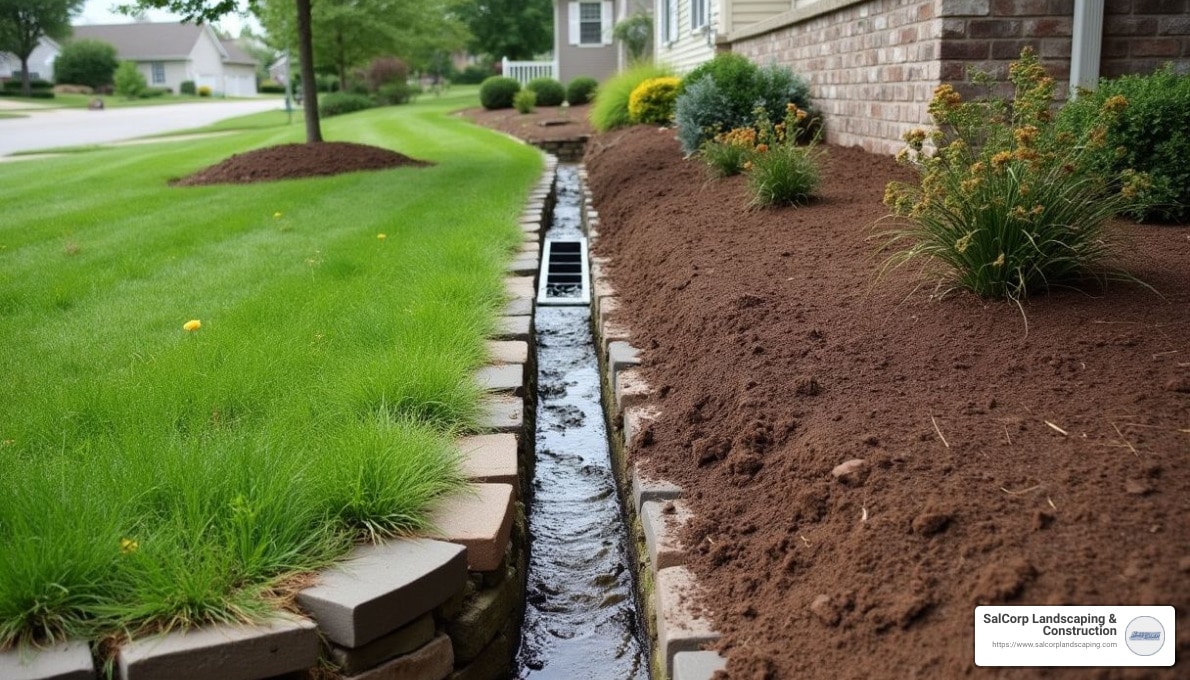
Yard drainage solutions are key to preventing standing water, which can lead to foundation damage and create a breeding ground for mosquitoes. If you’re dealing with soggy lawns or water pooling around your home, here are some quick fixes:
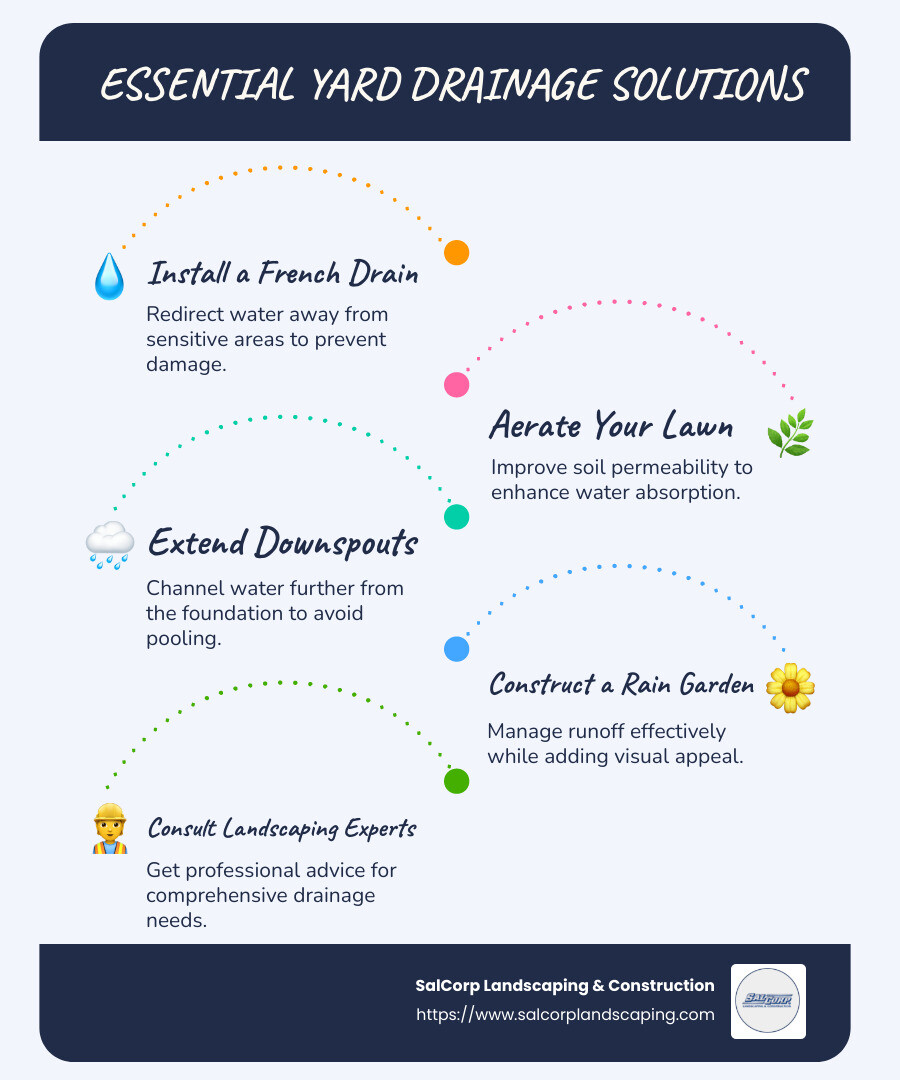
- Install a French drain to redirect water away from sensitive areas.
- Aerate your lawn to improve soil permeability and water absorption.
- Extend your downspouts to channel water further away from the foundation.
- Construct a rain garden to manage runoff with beauty.
These solutions can save your yard and protect your home’s foundation from serious damage. If you’re looking for comprehensive help, SalCorp Landscaping & Construction offers expert services to tackle all your drainage needs.
I’m Sal Musto, and with over twenty years in the landscaping industry, I’ve dedicated myself to providing effective yard drainage solutions in Massachusetts. Our experienced team at SalCorp is ready to transform your outdoor spaces, ensuring safety and aesthetic appeal during all seasons.
Must-know yard drainage solutions terms:
– french drain system
– sloped yard drainage
– types of drainage
Common Causes of Yard Drainage Problems
Understanding why your yard isn’t draining properly is the first step to finding the right solution. Here are some common causes of yard drainage problems:
Yard Slope
A yard should ideally slope away from your home to ensure water flows away from the foundation. If your yard is flat or slopes towards your home, water can pool, leading to soggy soil and potential foundation damage.
Impacted Soil
Impacted soil is often the result of heavy machinery or construction, like installing a pool. This type of soil is so compacted that it can’t absorb water properly, causing puddles to form. Clay soil is particularly prone to this issue because it retains moisture longer than other types.
Short Gutter Downspouts
Gutter downspouts that are too short can cause water to pool near the foundation. If rainwater is not directed far enough away, it can lead to basement flooding and mold growth.
Barriers Like Sidewalks and Rocks
Concrete paths, sidewalks, and large rocks can act as barriers that prevent water from draining naturally. If these barriers are higher than the surrounding soil, they can cause water to collect in low spots, leading to erosion and mosquito breeding grounds.
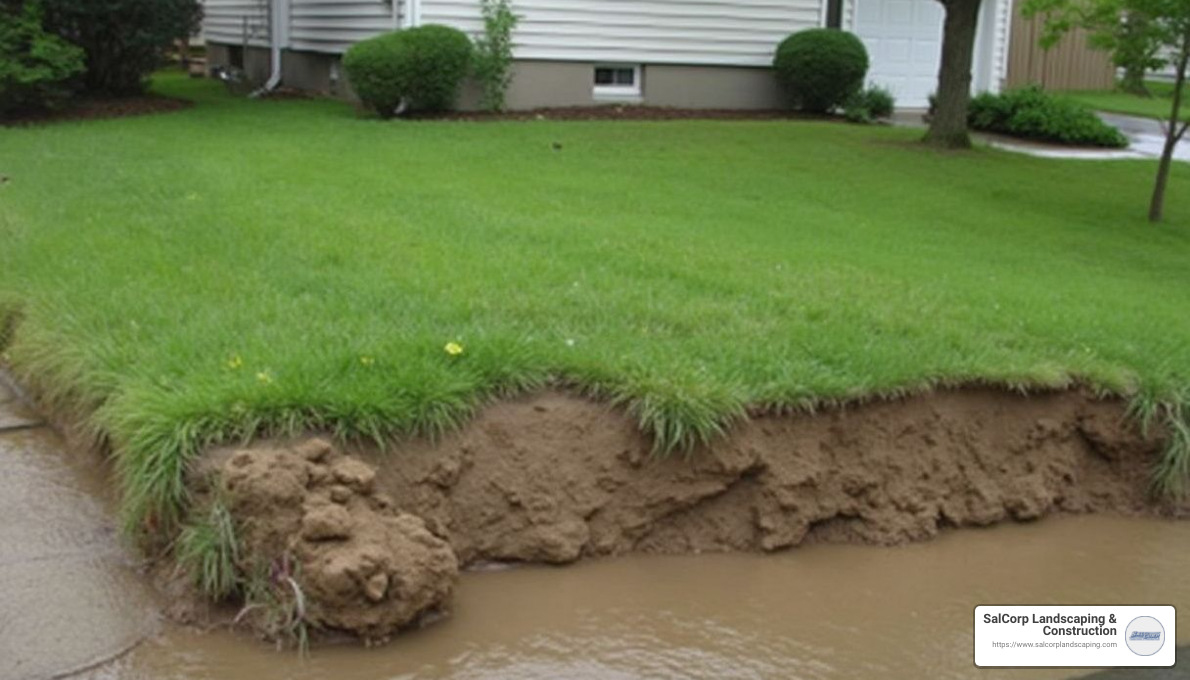
Runoff Erosion
Stormwater runoff can erode the topsoil in your yard, leaving behind compacted dirt that doesn’t absorb water well. This can lead to exposed tree roots and damaged plant beds.
Broken Water or Sewer Lines
Leaking water or sewer lines can saturate the ground, causing standing water and muddy areas. Keep an eye out for unexplained wet spots, especially if they’re near your septic tank or drain field.
Understanding these common causes can help you identify the best yard drainage solutions for your situation. Whether it’s adjusting the slope of your yard or extending your downspouts, tackling these issues early can prevent costly damage to your home and landscape.
Quick and Easy Yard Drainage Solutions
If your yard is turning into a swamp every time it rains, don’t worry. There are simple yard drainage solutions you can tackle yourself to dry out your space. Let’s explore some quick fixes that can make a big difference.
1. Water Less Often
Sometimes, the problem is as simple as overwatering. If you notice soggy spots in your yard, try watering less frequently. This can help the soil absorb water more efficiently. Keep an eye on those trouble spots. If they dry up, your watering schedule might have been the real issue all along.
2. Add More Dirt
Low areas in your yard can become water magnets. If you spot shallow depressions where water collects, add topsoil to level them out. Use a rake to blend the new soil with the existing ground. This simple fix can help redirect water away from these low spots.
Pro Tip: Before adding dirt, check for any damage to your home’s foundation. Fixing these issues first ensures that water won’t seep into compromised areas.
3. Extend Your Downspout
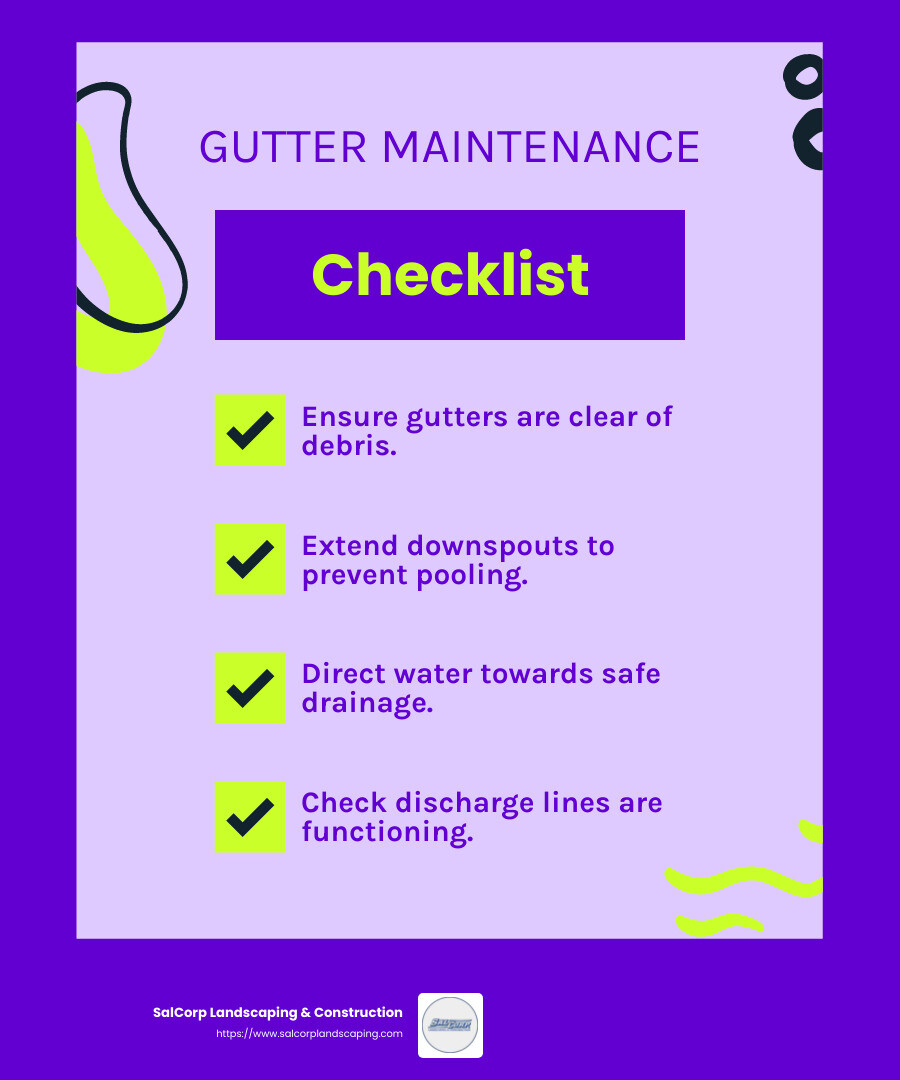
Short downspouts can lead to water pooling around your home. Solve this by extending the downspout to direct water further away from your foundation. Point it towards a safe drainage area like a storm drain. Also, ensure your gutters are clear of debris to prevent overflow.
“An easy way to ensure that your yard is protected from unnecessary water intrusion is to make sure that your gutters, downspouts, and discharge lines are all working properly.”
4. Aerate Your Grass
Compacted soil can prevent water from reaching plant roots. Aerating your lawn creates small holes that allow air and water to penetrate the soil. You can rent an aerator or use a manual spike aerator. After aerating, leave the extra soil to break down naturally.
5. Remove Large Rocks
Decorative rocks might look nice, but they can block water flow and cause pooling. Consider relocating or removing large rocks to ensure rainwater has a clear path out of your yard. This small change can make a big difference in preventing water buildup.
These quick and easy solutions can help you manage water in your yard without breaking a sweat. If these fixes don’t completely solve your drainage issues, it might be time to explore more advanced DIY options.
Advanced DIY Yard Drainage Solutions
Sometimes, simple fixes just aren’t enough to solve your yard’s water woes. That’s when you need to roll up your sleeves and tackle some advanced DIY yard drainage solutions. Here’s how you can make a big impact with a bit more effort.
Dig a Creek Bed
A creek bed is not only functional but also adds a touch of beauty to your landscape. It acts as a channel to divert water away from your home. Here’s how to create one:
- Plan the Route: Use stakes to mark where you want the creek bed to go. Ensure it has a gentle slope—about 1 inch per 10 feet—so water flows smoothly.
- Excavate the Area: Dig out the marked path, removing the top layer of soil. Use a level to maintain the slope.
- Add Layers: Cover the trench with landscape fabric, then add small rocks. This helps guide water and prevents pooling.
- Test and Beautify: Run water through it to check the flow. Surround it with plants for a natural look.
Construct a Rain Garden
Transform a soggy patch into a rain garden. This not only manages water but also improves your yard’s appeal.
- Choose the Spot: Pick a low area where water gathers. Your garden should drain within 24 hours.
- Prepare the Soil: Test how fast water drains by filling a small hole with water. This helps determine the garden’s depth.
- Select Plants: Use water-loving plants like hostas and ferns. These thrive in wet conditions and help absorb excess water.
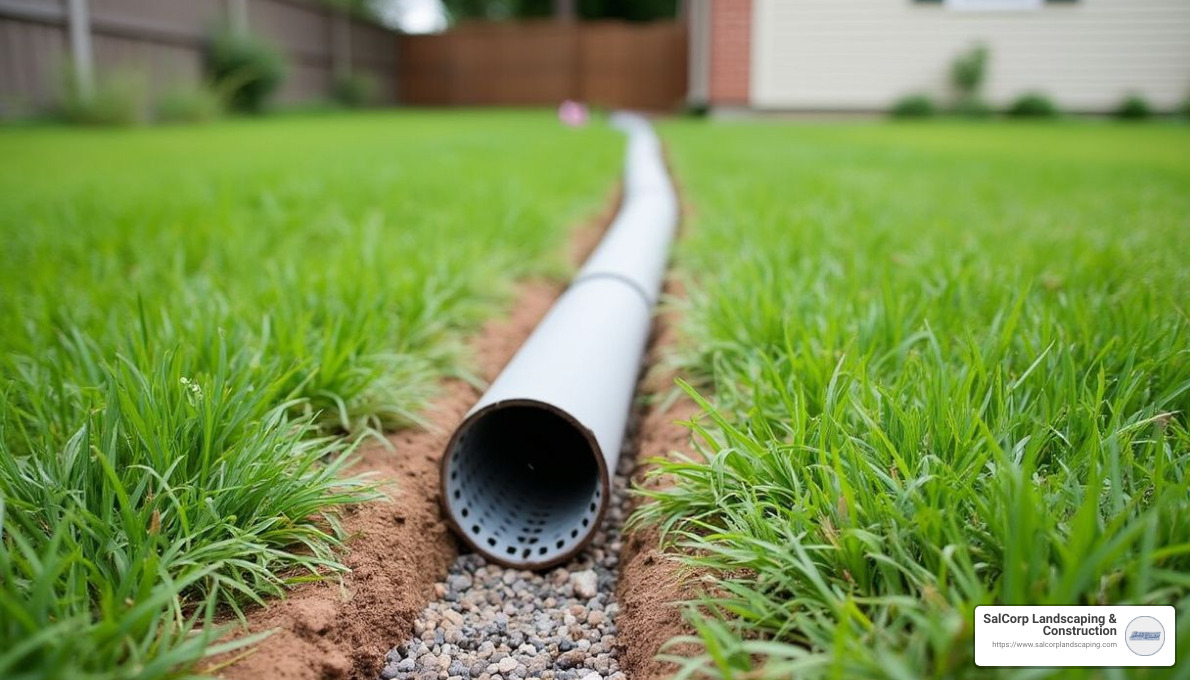
Install a French Drain
A French drain is an effective way to channel water away from problem areas.
- Dig a Trench: Create a trench in your yard where water tends to pool. Make sure it slopes away from your home.
- Add Gravel and Pipe: Line the trench with gravel, then place a perforated pipe on top. Cover the pipe with more gravel.
- Direct the Water: Ensure the pipe leads to a safe discharge area, like a storm drain or ditch.
Install a Dry Well
A dry well is perfect for areas that need to hold and slowly disperse water.
- Locate the Endpoint: Install it at the end of a creek bed or French drain. This is where water will collect.
- Dig and Install: Dig a hole large enough to fit the dry well. Place it in the ground and cover it with soil.
- Permeate the Soil: The dry well allows water to seep into the surrounding soil, preventing overflow.
These advanced solutions require more effort but can significantly improve your yard’s drainage. If you’re ready to tackle these projects, you’ll be on your way to a drier, more beautiful yard. Next, let’s look at how to divert rainwater from your downspouts effectively.
How to Divert Rainwater from Your Downspouts
Managing rainwater effectively is crucial for preventing yard flooding and protecting your home’s foundation. Here are some practical ways to divert rainwater from your downspouts.
Extend Downspouts
One of the simplest yard drainage solutions is to extend your downspouts. By adding extensions, you can direct water further away from your home. This minimizes the risk of water pooling near your foundation, which can lead to damage over time. Make sure the extensions lead to a safe drainage area, like a storm drain or a well-drained part of your yard.
Use a Rain Barrel
Rain barrels are an eco-friendly way to capture and reuse rainwater. Place them under your downspouts to collect runoff. You can then use this water for your garden or lawn, reducing your water bill. Just remember to keep the barrel covered to prevent mosquito breeding.
Create a Dry Creek Bed
A dry creek bed is both functional and decorative. It channels rainwater away from your property, reducing erosion and pooling. To build one, dig a shallow trench leading away from your downspout. Line it with landscape fabric and fill it with rocks. This will guide water along a controlled path, preventing it from flooding other areas.
Build a Rain Garden
Transform a low-lying area into a rain garden to manage excess water naturally. Choose a spot where water naturally collects and plant water-loving species like ferns and hostas. These plants will absorb water, reducing runoff and adding beauty to your yard. Ensure your rain garden can drain within 24 hours to prevent standing water.
Install a Grassy Swale
A grassy swale is a shallow, vegetated channel designed to redirect rainwater. It’s similar to a creek bed but filled with grass, making it a lush addition to your landscape. Swales slow down water flow, allowing it to be absorbed into the ground gradually. They’re perfect for directing water from downspouts to other drainage features like rain gardens.
By implementing these strategies, you can effectively manage rainwater runoff and protect your yard from water damage. Up next, we’ll explore major construction options for improving yard drainage.
Major Construction Yard Drainage Solutions
When simple fixes aren’t enough, it might be time for some major construction. These yard drainage solutions require more effort but can make a big difference in preventing water problems.
Regrade Your Yard
Regrading involves reshaping the land to create a gentle slope away from your home. This helps direct water away from your foundation, reducing the risk of leaks and flooding. Regrading is a large project that often requires heavy machinery and expertise. It’s essential to ensure the slope is just right to prevent water pooling or erosion.
Install a Sump Pump
A sump pump is a powerful tool for keeping your basement dry. It collects excess water in a sump basin and pumps it away from your home. While sump pumps can be costly to install and maintain, they are effective for properties prone to flooding. Make sure to have a backup power source so the pump works even during power outages.
Install Yard Drains
Yard drains, also known as catch basins, are similar to the drain in your bathtub. They collect water from low spots and channel it through underground pipes to a safe discharge point. Yard drains are ideal for areas that frequently flood, as they help manage large volumes of water quickly. Proper installation is crucial to ensure they function effectively.
Replace Hardscaping with Drainage Materials
Traditional hardscape materials like concrete can worsen drainage issues by preventing water absorption. Consider replacing these with permeable materials like porous asphalt or gravel. These allow water to seep through and reduce runoff. While this might be a significant investment, it can greatly improve your yard’s ability to handle rainwater.
These major construction solutions can transform your yard into a well-drained, functional space. If you’re unsure about tackling these projects yourself, consider reaching out to professionals for assistance. Next, we’ll address some frequently asked questions about yard drainage solutions.
Frequently Asked Questions about Yard Drainage Solutions
How do I fix bad drainage in my yard?
Fixing bad drainage often starts with understanding the root cause. Here are some yard drainage solutions that can help:
- Aerate Your Lawn: Aerating helps break up compacted soil, allowing water to penetrate deeper. This can reduce surface water and promote healthier grass growth.
- Amend Soil: Adding organic matter like compost can improve soil structure and drainage. This is especially useful for clay-heavy soils that retain water.
- Regrade Your Yard: This involves reshaping the land to slope away from structures, directing water flow away from your home. Professional help may be needed for this large-scale project.
- Install a French Drain: A French drain uses a perforated pipe surrounded by gravel to collect and divert water. It’s great for areas prone to oversaturation.
- Dig a Dry Well: A dry well collects water and allows it to slowly seep into the ground. It’s often used in conjunction with other drainage systems.
- Build a Retaining Wall: Retaining walls can help manage runoff on sloped properties, preventing erosion and directing water flow.
How do you drain a swampy yard?
Turning a swampy yard into a dry, usable space requires targeted strategies:
- Aerate Lawn: Just like fixing bad drainage, aerating can help absorb excess water.
- Use Permeable Pavers: These pavers allow water to pass through, reducing surface water in high-traffic areas.
- Fill Low Spots: Add soil to level out depressions where water collects. Ensure the added soil compacts well to avoid future sinking.
- Build a Rain Garden: A rain garden uses water-loving plants to soak up excess moisture. It’s an eco-friendly way to beautify your yard while improving drainage.
- Plant Wet-Tolerant Plants: Species like willows and ferns thrive in damp conditions and can help manage water naturally.
How to divert water in a yard?
Diverting water effectively can prevent flooding and erosion:
- Swale: A swale is a shallow, grassy channel that directs water away from problem areas. It can be an attractive and functional feature in your yard.
- French Drain: As mentioned, it’s a reliable method for channeling water away from your yard.
- Catch Basin: Installed in low spots, catch basins collect water and funnel it into underground drainage systems.
- Splash Blocks: These direct water from downspouts away from your home’s foundation, reducing the risk of water damage.
- Downspout Extensions: Extending your downspouts can help divert rainwater further from your home, preventing pooling near the foundation.
These strategies can help you manage water effectively, keeping your yard dry and your home safe. Next, we’ll conclude with some final thoughts on the importance of yard drainage and when to seek professional help.
Conclusion
Proper yard drainage solutions are crucial for maintaining a healthy and safe home environment. Without effective drainage, water can pool around your house, leading to serious issues like foundation damage and basement flooding. This not only jeopardizes your home’s structural integrity but can also lead to costly repairs.
At SalCorp Landscaping & Construction, we understand the importance of a well-drained yard. With over 20 years of experience, our team is equipped to handle all aspects of outdoor space solutions, including drainage. Whether you’re dealing with minor puddles or significant water management issues, we offer comprehensive services to protect your property.
Preventing Foundation Damage
Foundation damage is one of the most severe consequences of poor drainage. When water accumulates around your home’s foundation, it can seep into the soil and create pressure against the walls. Over time, this can cause cracks, leaks, and even structural failure. By implementing effective drainage solutions, you can prevent these problems and ensure the long-term stability of your home.
Professional Help When Needed
While many yard drainage solutions can be tackled as DIY projects, some situations require professional expertise. If your drainage issues are complex or extensive, it might be time to call in the experts. At SalCorp Landscaping & Construction, we provide custom solutions that address your specific needs, ensuring that water is effectively managed and diverted away from your home.
For those who prefer a hands-off approach, our hardscaping services can transform your yard into a well-drained, visually appealing space. From installing French drains to regrading your yard, we have the skills and equipment to get the job done right.
In conclusion, addressing yard drainage is not just about aesthetics; it’s about safeguarding your home and enhancing your outdoor living experience. Don’t wait until water damage becomes a costly issue. Reach out to us today to explore how we can help you implement effective, long-lasting drainage solutions.