

Retaining Wall Design: Top 8 Stunning Ideas 2024

Retaining wall design serves as both a functional and aesthetic solution in landscaping, addressing critical needs like soil retention and erosion control while enhancing the beauty of outdoor spaces. For those considering incorporating retaining walls, here’s what you need to know:
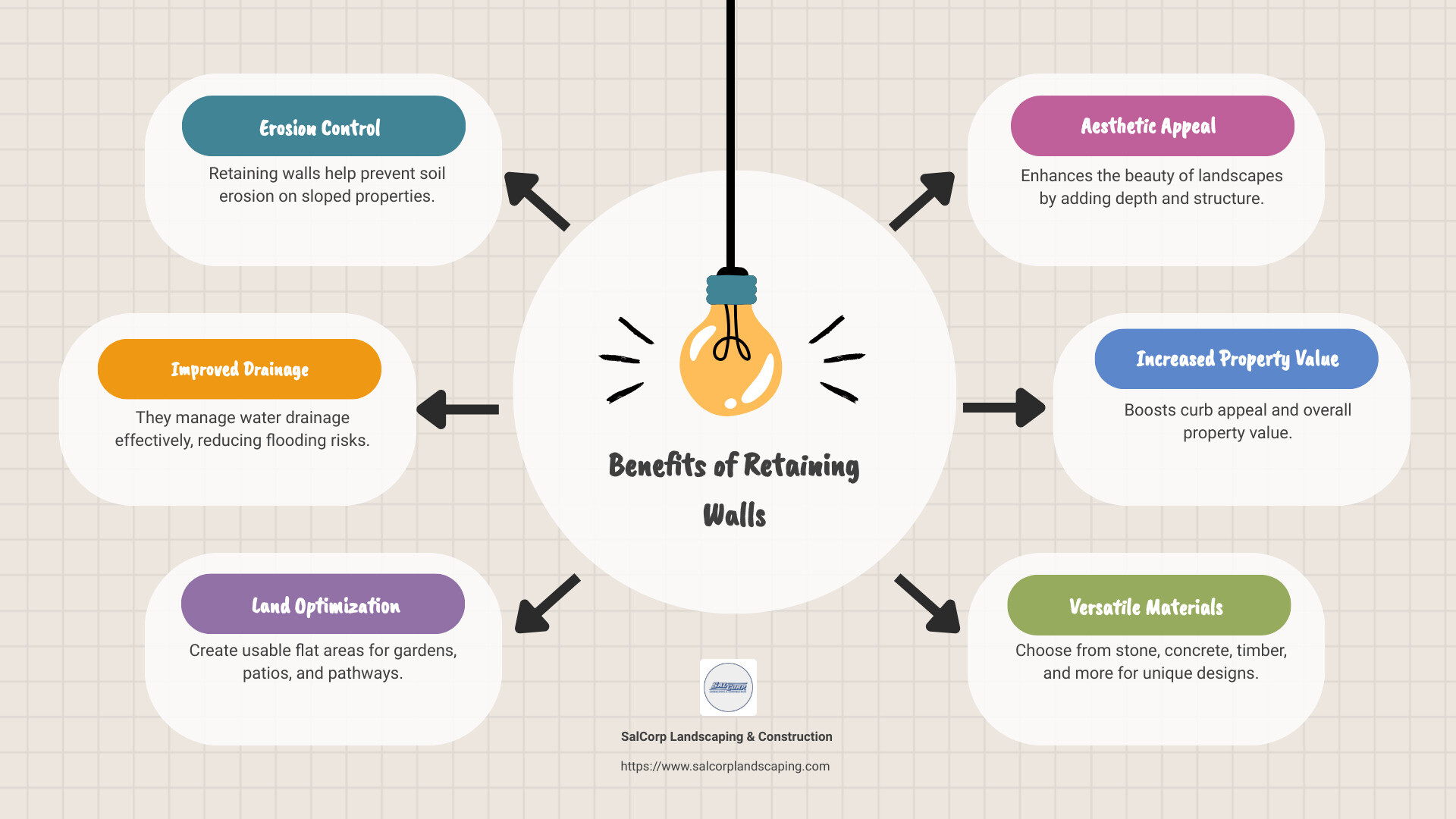
- Purpose: Retaining walls prevent soil erosion, manage water drainage, and allow for efficient land use on sloped properties.
- Benefits: Beyond functionality, retaining walls add depth and structure to landscapes, creating flat spaces ideal for gardens, patios, or pathways. They can also boost property value by elevating curb appeal.
- Considerations: When designing a retaining wall, choose materials wisely—options range from natural stone and concrete to timber and gabions, each offering unique aesthetic and structural advantages.
I’m Sal Musto, and with over two decades dedicated to landscaping and construction, I’ve prioritized excellence in retaining wall design. Our projects not only focus on structural integrity but also seamlessly integrate with the surrounding landscape. Next, let’s dive deeper into the types and materials for retaining walls.
Simple retaining wall design glossary:
– concrete retaining wall
– retaining wall ideas for sloped backyard
– what is a retaining wall
Understanding Retaining Walls
In landscaping, retaining walls play a crucial role. They hold back soil, prevent erosion, and create usable spaces on sloped terrain. But not all retaining walls are the same. Let’s explore the different types and materials used.
Types of Retaining Walls
Gravity Walls
Gravity walls rely on their own weight to hold back soil. Made from heavy materials like concrete, stone, or brick, these walls are ideal for low to medium heights. Their sheer mass provides stability and strength, making them a classic choice for many landscapes.
Cantilever Walls
Cantilever walls use a different approach. They are shaped like an “L” and use the weight of the soil on the base to provide stability. These walls are often made from reinforced concrete and are suitable for medium to high heights. They offer a sleek, modern appearance and are popular in contemporary designs.
Embedded Walls
Embedded walls, like sheet pile walls, are driven deep into the ground. They are perfect for areas with limited space or challenging soil conditions. These walls are often made from steel or vinyl and are great for tight spaces or near water bodies.
Reinforced Soil Walls
Reinforced soil walls use layers of geogrid or other materials to strengthen the soil behind the wall. These walls can be made from various materials, including concrete blocks or gabions, and are versatile in design. They are excellent for taller walls and can be customized to fit different landscape styles.
Materials for Retaining Walls
Concrete
Concrete is a popular choice due to its durability and versatility. It can be molded into different shapes and finishes, offering a sleek, modern look.
Natural Stone
Natural stone provides a timeless and neat appearance. Options like granite or limestone are durable and blend well with natural surroundings.
Brick
Brick offers a classic and traditional look. It’s strong and durable, making it a reliable choice for many retaining wall designs.
Timber
Timber walls provide a rustic and natural feel. While they may not last as long as other materials, they offer a unique aesthetic that some homeowners prefer.
Boulders
Boulders create a rugged, natural appearance. They are durable and can blend seamlessly into a natural landscape.
Gabions
Gabions are wire cages filled with rocks. They offer a modern, industrial look and are excellent for erosion control.
Each type and material has its own set of advantages. The choice depends on factors like the wall’s height, the landscape’s style, and the desired aesthetic. Understanding these options helps in creating the perfect retaining wall design.
Next, we’ll dig into the key principles of retaining wall design, focusing on structural requirements and stability checks.
Key Principles of Retaining Wall Design
Designing a retaining wall involves more than just stacking materials. It requires a solid understanding of design principles, structural requirements, and stability checks to ensure the wall performs its job effectively.
Basic Rule of Retaining Wall Design
At the core of retaining wall design is the use of reinforced concrete. This material provides the necessary strength and durability. A common approach is the cantilever design, which involves an “L” shape that uses the weight of the soil on the base to stabilize the wall. This method is particularly effective for medium to high walls.
An essential aspect of cantilever design is footing flexure. This refers to the bending of the base under pressure, which must be carefully calculated to prevent failure. By reinforcing the concrete, we can manage this flexure and ensure the wall remains stable.
Formula for Retaining Wall Design
The design procedure for retaining walls includes several key calculations. One crucial factor is the inclination of backfill, which is the slope of the soil behind the wall. The angle of this slope affects how much pressure the soil exerts on the wall.
Another important consideration is the angle of wall friction. This is the angle at which the wall can resist sliding due to the pressure of the soil. Calculating this angle helps in selecting the right materials and wall design to prevent sliding or overturning.
When designing a retaining wall, engineers often use formulas to determine these factors. For example, the Rankine and Coulomb formulas are used to calculate the coefficient of active and passive pressure, which are critical for understanding how the soil interacts with the wall. These coefficients help in designing a wall that can withstand the forces exerted by the soil and any additional loads, such as vehicles or structures.
By following these principles and using precise calculations, we can create retaining walls that are not only functional but also safe and durable. These walls transform landscapes, making them more usable and aesthetically pleasing.
Next, we’ll explore the steps to create the perfect retaining wall design, including location selection and structural evaluation.
Steps to Create the Perfect Retaining Wall Design
Designing the perfect retaining wall starts with careful planning and evaluation. Here’s a simplified guide to ensure your wall is both functional and visually appealing.
Selecting the Retaining Wall Location
The first step in retaining wall design is choosing the right location. Consider these factors:
- Soil Excavation: Minimize the amount of soil that needs to be moved. This saves time and money.
- Grading and Drainage Patterns: Ensure the site allows for proper water drainage to avoid erosion or water pressure buildup behind the wall.
- Existing Site Features: Take into account trees, buildings, and other structures that might affect or be affected by the wall.
By strategically selecting the location, you can prevent potential issues and optimize the wall’s performance.
Determining Retaining Wall Height and Geometry
Next, you’ll need to define the wall’s height and shape. Here’s what to consider:
- Tallest Position: Measure the wall height at its highest point. This determines the structural requirements.
- Slopes: Identify any slopes above or below the wall. Slopes can increase the pressure on the wall.
- Surcharges: Factor in additional loads, like vehicles or construction equipment, that might apply pressure to the wall.
- Wall Batter: Choose the right setback or angle for the wall. A slight backward lean can improve stability.
This step ensures the wall will withstand environmental pressures and remain stable over time.
Evaluating Structural Requirements
Structural evaluation is crucial for safety and durability. Here’s how to proceed:
- Gravity Wall Table: Use this to check if your design requires additional reinforcement.
- Geogrid Charts: If reinforcement is necessary, these charts help determine the length and placement of geogrid materials.
- Allan Block Engineering Manual: Refer to this for detailed guidance on complex projects.
Proper structural evaluation ensures your wall is strong enough to handle the expected loads.
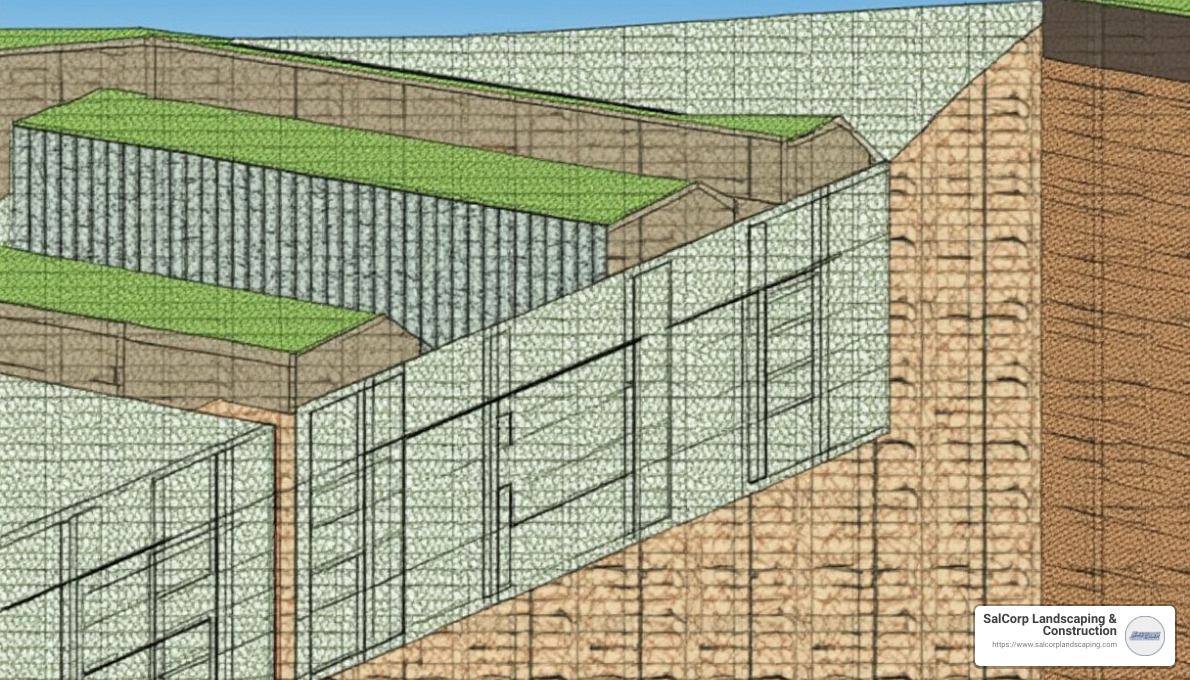
Calculating the Total Wall Structure
Finally, calculate the complete wall structure to ensure it fits the available space:
- Setback Chart: This helps in calculating the total setback needed for stability.
- Grid Lengths: Add the lengths of any required geogrid to determine the total wall envelope.
- Wall Envelope: Cross-check the envelope with the available space to ensure the design fits the site.
By following these steps, you can create a retaining wall that is both practical and aesthetically pleasing, enhancing the landscape while maintaining structural integrity.
Material and Site Preparation
Before you start building your retaining wall, it’s crucial to prepare both your materials and the construction site. This ensures a smooth process and a durable wall.
Checking Your Materials
Start with a thorough material checklist to make sure everything matches the approved plans. Here are the key things to verify:
- Block Color and Style: Ensure the blocks delivered are the correct color and style. This maintains the aesthetic consistency of your project.
- Block Setback: Confirm that the blocks have the right setback, which is vital for the wall’s structural integrity.
- Geogrid Strength and Weight: Check the geogrid for its strength and weight specifications. This reinforcement material must meet the engineered plans to support the wall effectively.
By cross-checking these details, you can avoid potential issues during construction.
Delivery and Storage
Proper delivery and storage of materials are essential to protect them from damage and contamination.
- Designate a Storage Area: Allocate a clean, dry area for storing blocks, geogrid, and wall rock. This prevents exposure to mud and moisture.
- Protect Materials: Keep blocks on wood pallets and cover the geogrid to keep it dry and clean. Damaged materials should not be used in the project.
Taking these precautions ensures the quality and durability of your materials, which is crucial for the wall’s longevity.
Foundation Soil Preparation
The foundation is the backbone of a retaining wall. Proper preparation of the foundation soil is critical for stability.
- Excavation: Begin by excavating the site to the required depth. This prepares the ground for the wall’s base.
- Compaction: Compact the soil to provide a solid foundation. This step is vital to prevent settling and shifting of the wall.
- Soil Strength Verification: Conduct tests to verify the soil’s strength and stability. This ensures the foundation can support the wall structure.
By preparing the foundation soil correctly, you create a stable base that supports the wall and prevents future issues.
In the next section, we’ll explore creative ideas to improve your outdoor space with retaining walls, changing them from functional structures into beautiful landscape features.
Top 8 Retaining Wall Ideas to Improve Your Outdoor Space
Retaining walls are more than just functional structures—they can be a beautiful addition to your landscape. Here are eight creative ideas to transform your outdoor space with retaining walls.
Build Terraced Garden Beds
Imagine your sloped backyard transformed into a series of terraced garden beds. These can be filled with vibrant flowers, aromatic herbs, or even your own vegetable gardens. The terraces not only add visual interest but also make gardening easier by providing flat areas for planting. If you have the space, consider planting small fruit trees for a mini orchard right in your backyard.
Create a Stairway
Connect different levels of your property with a stairway incorporated into a retaining wall. This design not only provides easy access between the upper and lower areas of your yard but also adds an neat touch. Use this feature to access a hidden zen garden or a cozy fire pit area, turning your backyard into a functional and serene retreat.
Display Your Artwork
Turn a retaining wall into a canvas by displaying artwork. Incorporate large rocks, sculptures, or mosaic pieces into the wall’s design. Improve these features with strategic lighting to create a stunning focal point that showcases your personal style and creativity.
Make a Tree Ring
Protect and highlight your favorite trees with a tree ring retaining wall. This low wall not only helps to keep mulch in place and protect the tree’s roots but also defines the space beautifully. Add landscape lights to illuminate the tree at night, creating a magical atmosphere.
Build a Living Wall
Transform a plain retaining wall into a living wall by planting greenery within it. Use boulders, gabions, or timber beams to create soil pockets for planting. Choose cascading flowers or vines that will grow through the wall, turning it into a lush, green showpiece.
Create Unique Seating
Design a unique gathering spot by adding bench seating on top of a retaining wall. This setup offers a perfect place to sit and enjoy your property. For added charm, consider installing a fire pit nearby to create a warm and inviting space for family and friends.
Add Privacy to Your Patio
Improve your patio’s privacy with L-shaped retaining walls. These walls can block views from a public road or neighboring properties, creating a secluded oasis. This is especially useful if your patio is exposed and you want to enjoy your outdoor space without interruptions.
Put in a Waterfall
For a truly breathtaking feature, incorporate a waterfall into your retaining wall. The sight and sound of cascading water add tranquility and elegance to your landscape. It’s a stunning feature that will be a conversation starter at any outdoor gathering.
By exploring these creative retaining wall ideas, you can improve both the functionality and beauty of your outdoor space. In the next section, we will dig into frequently asked questions about retaining wall design to guide you further.
Frequently Asked Questions about Retaining Wall Design
Designing a retaining wall can seem complex, but breaking it down into simple principles makes it easier to understand. Let’s tackle some common questions about retaining wall design.
What is the basic rule of retaining wall design?
The core rule in retaining wall design is ensuring stability and strength. This often involves using reinforced concrete for its durability. A cantilever design is popular because it uses a slab and a vertical stem to form an L-shape, which efficiently holds back soil.
Footing flexure is another critical aspect. This means the base of the wall must be strong enough to resist bending under pressure. Proper design ensures that the wall can handle the weight of the soil and any additional loads, like vehicles or structures.
What is the formula for retaining wall design?
The design process often involves calculations to ensure safety and effectiveness. A crucial factor is the inclination of the backfill. The backfill should slope away from the wall at an angle that prevents excessive pressure on the structure.
The angle of wall friction is also important. This angle helps determine how the soil interacts with the wall. A higher friction angle means better stability since the soil is less likely to slide.
The design procedure generally includes checking these factors to ensure the wall can withstand the forces it will encounter. Engineers use these calculations to create a wall that is both functional and safe.
What are the cheapest options for a retaining wall?
When it comes to budget-friendly retaining walls, several materials stand out. Poured concrete is a popular choice due to its affordability and longevity. It requires less labor to install than other materials, which can reduce costs.
Interlocking concrete blocks are another economical option. They are easy to assemble and come in various styles, providing flexibility in design.
Pressure-treated pine is a cost-effective material for lower walls. It offers a natural look but requires maintenance to prevent decay.
Stone can also be a budget-friendly option, especially if you source it locally. It provides a rustic appearance and excellent durability.
By understanding these basic principles and options, you can make informed decisions about your retaining wall project. Up next, we’ll explore material and site preparation to ensure your wall is built on a solid foundation.
Conclusion
Creating the perfect retaining wall design involves a blend of art and science. It’s about understanding the landscape, selecting the right materials, and applying key design principles to ensure stability and beauty. A well-designed retaining wall not only supports and improves your outdoor space but also adds value to your property.
At SalCorp Landscaping & Construction, we bring over 20 years of expertise in crafting stunning and functional retaining walls. From initial planning to final construction, our team is dedicated to delivering high-quality solutions custom to your needs. Our owner-operated business takes pride in using our own machinery to provide comprehensive outdoor space solutions across Massachusetts.
For those ready to transform their landscape with a well-crafted retaining wall, our team is here to help. Whether you’re looking to add privacy, create unique seating, or install a waterfall, we have the skills and experience to make your vision a reality.
Contact us today to discuss your project and see how we can lift your outdoor space. Visit our Retaining Walls service page for more information and get started on building the landscape of your dreams.
Your backyard is a canvas, and with SalCorp Landscaping & Construction, you have the power to create a masterpiece. Explore the possibilities and watch as we transform your space into the garden of your dreams.
