

Can I Walk Over Hydroseeded Lawn? Top 5 Safety Tips

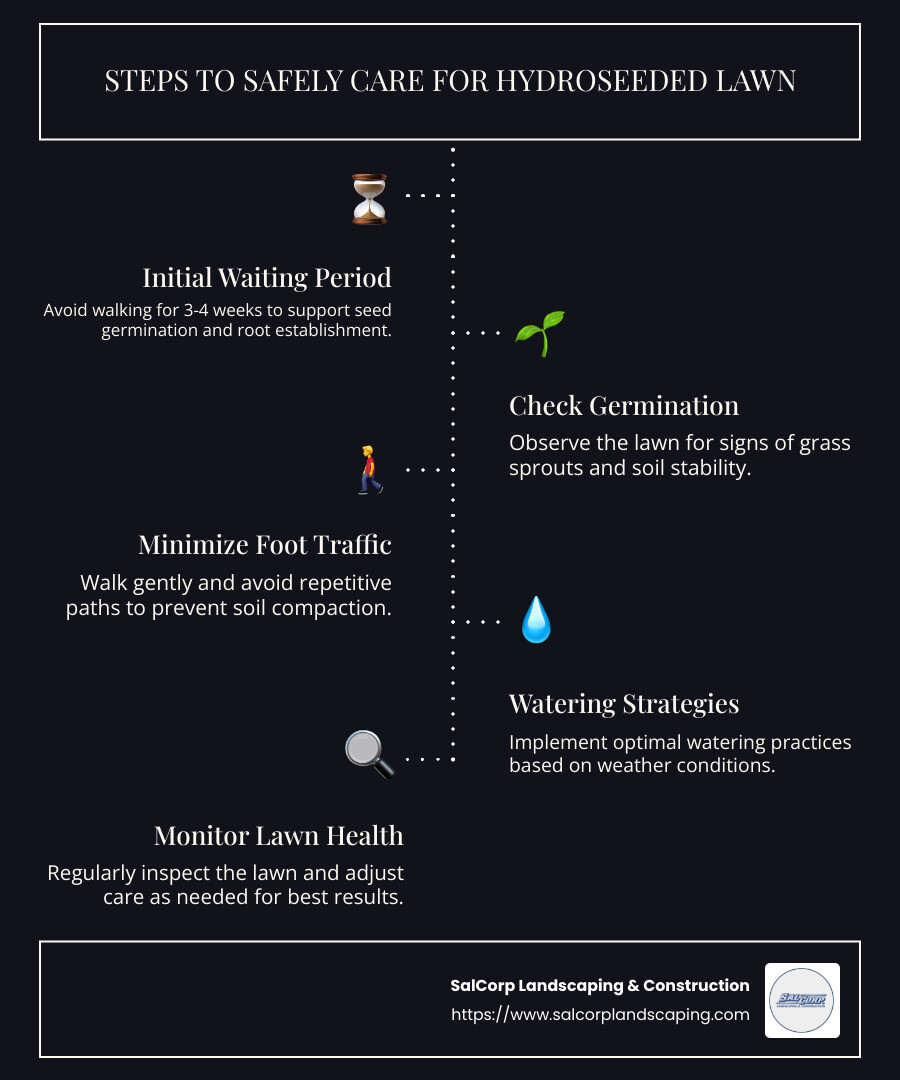
Can I walk over hydroseeded lawn? It’s natural to wonder about this when you’re eager to see your lush green space take shape. The short answer is: No, avoid walking on your hydroseeded lawn for at least the first 3-4 weeks. This initial period is crucial for seed germination and root establishment, providing the best environment for your lawn to thrive without disturbances. For homeowners in Massachusetts, exercising patience during this time will pay off with a strong and healthy lawn.
Hydroseeding has revolutionized lawn care, offering a fast and cost-effective way to achieve a beautiful landscape. The technique involves spraying a slurry of seed, mulch, fertilizer, and water onto prepared soil, ensuring even seed distribution and rapid germination. This process not only accelerates grass growth but also minimizes soil erosion, making it an excellent choice for both residential and commercial properties.
Hello! I’m Sal Musto, owner of SalCorp Landscaping & Construction. With over two decades of experience, I’ve guided many through the process of hydroseeding and addressed questions like “can I walk over hydroseeded lawn”. Allow me to share essential insights to ensure your lawn flourishes perfectly.
Learn more about can i walk over hydroseeded lawn:
– how to care for hydroseeded lawn
– how often to water hydroseeded lawn
– how to care for lawn after hydroseeding
Understanding Hydroseeding
Hydroseeding is a modern technique that simplifies the process of establishing a lush, green lawn. It combines several elements into a slurry that is sprayed evenly over prepared soil. This method ensures quick germination and robust growth, making it a popular choice for homeowners and businesses alike.
The Hydroseed Process
The hydroseeding process begins with preparing the soil. This involves removing debris, grading the area, and loosening the topsoil. Once the ground is ready, the hydroseed slurry is applied. This slurry is a mix of grass seed, mulch, water, and other additives. The mixture is sprayed using specialized equipment, covering the soil evenly and efficiently.
Seed Mixture
The seed mixture is a crucial component of hydroseeding. It can be customized based on the specific needs of your lawn. For instance, you can choose grass varieties that are drought-resistant or suited to your local climate. This flexibility allows you to tailor your lawn to thrive in its environment, ensuring long-term health and beauty.
Mulch
Mulch plays a vital role in the hydroseeding process. It acts as a protective layer over the seeds, helping to retain moisture and shield them from harsh weather conditions. The mulch also prevents erosion, keeping the seeds in place and facilitating uniform germination. As it decomposes, mulch adds nutrients to the soil, further supporting healthy grass growth.
Tackifier
A tackifier, often referred to as a “glue,” is included in the slurry to help the mulch and seeds adhere to the soil. This component is essential for preventing the displacement of seeds due to wind, rain, or foot traffic. The tackifier ensures that the seeds remain in place long enough to germinate and establish roots, which is particularly important during the early stages of lawn development.
In summary, hydroseeding combines the benefits of seed customization, protective mulch, and a tackifier to create an ideal environment for grass growth. This method is not only efficient but also cost-effective, making it an excellent choice for establishing a new lawn. Understanding these elements will help you appreciate the science behind hydroseeding and why it’s a preferred method in modern landscaping.

Can I Walk Over Hydroseeded Lawn?
Walking on a hydroseeded lawn too soon can cause problems. It’s important to know when you can safely walk on it and how to do so without damaging it.
When Is It Safe to Walk on Hydroseeded Lawn?
Initial Care: After hydroseeding, the lawn needs time to grow. For the first 5 to 6 weeks, avoid walking on the hydroseeded area. This is when the grass is just starting to germinate and establish itself. Grass sprouts usually appear within 7 to 10 days, but full establishment takes longer.
Traffic Impact: Foot traffic can harm new grass. It can compact the soil, making it hard for roots to grow. This is why it’s best to keep off the lawn until it’s ready.
Germination Time: Wait until the grass reaches about three inches tall before considering light foot traffic. This height indicates that the lawn is maturing and can handle some pressure.
Foot Traffic Guidelines: If you must walk on the lawn before it’s fully established, try to do so sparingly and follow these guidelines.
How to Minimize Damage When Walking on Hydroseeded Lawn
Walk Gently: When you need to walk on the lawn, do so lightly. Heavy steps can compact the soil and damage the young grass.
Avoid Repetitive Paths: Try not to walk the same path repeatedly. This can create worn areas and compact the soil more in those spots.
Proper Footwear: Wear soft, flat shoes that distribute your weight evenly. This helps reduce soil compaction and seed displacement.
Impact of Walking on Wet Hydroseeded Areas
Walking on a wet hydroseeded lawn can be particularly damaging. Here’s why:
Soil Health: Wet soil is more prone to compaction. This can suffocate roots and hinder grass growth.
Seed Displacement: Walking on wet areas can cause seeds to shift or sink into the soil unevenly. This affects the uniformity of your lawn.
Watering Concerns: Regular watering is crucial in the early stages. Walking on a wet lawn can disturb the watering pattern, leading to dry patches or overwatered areas.
To protect your lawn, it’s best to wait until the grass is well-established before allowing regular foot traffic. This patience will pay off with a healthy, lush lawn.
Optimal Watering Practices for Hydroseeded Lawns
Watering is key to a thriving hydroseeded lawn. Let’s break down how to keep your new grass hydrated and healthy.
Adjusting Watering Based on Weather Conditions
Watering Frequency: Start watering your hydroseeded lawn one day after application. In the first few weeks, aim for 3 to 6 times per day to keep the surface moist. This helps seeds germinate and grow.
Rainfall Consideration: If it rains, you might need to adjust your watering schedule. Natural rain can provide the moisture your lawn needs, so check the weather forecast to avoid overwatering.
Temperature Effects: Hot weather can dry out the soil quickly. During high temperatures, you may need to water more frequently to maintain moisture levels. Conversely, cooler weather might allow for less frequent watering.
Evaporation: Be mindful of evaporation rates. Watering in the early morning or late afternoon can reduce water loss due to evaporation, ensuring more moisture reaches the seeds.
Techniques for Even Water Distribution
Sprinkler Use: Using a sprinkler system can help distribute water evenly. Adjust the settings to ensure all areas of your lawn get the right amount of water.
Sprinkler Placement: Position sprinklers to cover the entire lawn without overwatering certain spots. Avoid placing them too close to each other, which can lead to water pooling.
Watering Schedule: Set a consistent watering schedule. For example, water at 8 am, Noon, and 4 pm. This helps maintain consistent moisture levels, crucial for seed germination.
Coverage Check: Regularly check that your sprinklers are covering the lawn evenly. Look for dry or overly wet areas and adjust your system as needed.
By following these watering practices, you’ll give your hydroseeded lawn the best chance to thrive and grow into a lush, green space. Next, we’ll dive into maintenance tips that will keep your lawn looking its best.
Maintenance Tips for Newly Hydroseeded Lawns
Once your hydroseeded lawn is established, it’s time to focus on maintenance. Here’s how to keep your lawn lush and healthy.
When to Start Mowing Your Hydroseeded Lawn
Grass Height: Wait until the grass reaches at least three inches before mowing. This ensures the roots are strong enough to withstand the stress of mowing.
Mowing Frequency: Once you start, mow regularly, but never cut more than one-third of the grass height at a time. This rule helps prevent stress on the grass and encourages deep root growth.
Blade Sharpness: Keep your mower blades sharp. Dull blades can tear grass, leading to a ragged appearance and increased susceptibility to disease.
Fertilizing Your New Hydroseeded Lawn
Nitrogen Fertilizer: After about 30 days, apply a high-nitrogen fertilizer. This boosts growth and helps your lawn develop a vibrant green color.
Application Timing: Follow the instructions on your fertilizer package closely. Over-fertilizing can damage your lawn by burning the grass and inhibiting growth.
Over Fertilization Risks: Avoid fertilizers with weed control during the first three months. Chemicals can harm young grass and disrupt the establishment process.
Weed Control
Early Stage: In the initial months, resist the urge to use weed killers. New grass is fragile, and chemicals can cause more harm than good.
Natural Competition: As your lawn thickens, it will naturally crowd out many weeds. Hand-pulling any persistent weeds is the safest method during this time.
Long-Term Strategy: Once your lawn is well-established and has been mowed several times, you can consider selective herbicides if necessary. Always choose products safe for newly established lawns.
By following these maintenance tips, your hydroseeded lawn will not only survive but thrive, providing a beautiful and resilient landscape. Next, we’ll tackle some common questions about hydroseeded lawns.
Frequently Asked Questions about Hydroseeded Lawns
What Happens if Hydroseeded Lawn Is Neglected?
Neglecting your hydroseeded lawn can lead to several issues. Initially, the grass may fail to establish properly, resulting in patchy or sparse areas. Without proper watering, the seeds may not germinate, leaving the soil vulnerable to erosion and weed invasion. Over time, the lack of care can lead to a weak lawn that struggles to compete with weeds and pests.
Can I Use Weed Killers on My New Hydroseeded Lawn?
In the early stages, avoid using weed killers on your newly hydroseeded lawn. The chemicals in these products can damage young grass, hindering its growth and establishment. Instead, allow the grass to mature and develop a strong root system. As the lawn thickens, it will naturally suppress many weeds. For persistent weeds, consider hand-pulling them until the grass is well-established, typically after several mowings.
How Long Before Hydroseeded Lawn Looks Fully Grown?
The time it takes for a hydroseeded lawn to look fully grown can vary based on factors like seed type, climate, and care. Generally, you can expect to see noticeable growth within 7 to 10 days. However, achieving a lush, fully established lawn usually takes 5 to 6 weeks. Consistent watering, proper mowing, and avoiding foot traffic during this period are crucial for optimal growth. Once the lawn is mature, it will provide a dense and vibrant landscape.
Next, we’ll dive into optimal watering practices to ensure your hydroseeded lawn thrives.
Conclusion
Caring for your newly hydroseeded lawn requires attention to detail, but the rewards are worth it. By following the right practices, you can ensure a lush and healthy lawn.
Lawn Care Tips
- Be Patient with Foot Traffic: One of the most common questions is, “can I walk over hydroseeded lawn?” The answer is simple: avoid it as much as possible during the first few weeks. This helps prevent soil compaction and protects the delicate seedlings.
- Water Wisely: Keeping the surface consistently moist is key. Watering several times a day initially, and then adjusting based on weather conditions, will support healthy germination. Too much or too little water can both be detrimental.
- Mow with Care: Wait until your grass reaches at least three inches before mowing. When you do mow, never cut more than one-third of the grass height to avoid stressing the young plants.
- Fertilize Thoughtfully: Use a high-nitrogen fertilizer about 30 days after seeding, but avoid products with weed control in the early stages. This will help your lawn develop strong roots and vibrant growth.
- Practice Patience with Weeds: Early on, avoid chemical weed killers. Hand-pulling is a safer option until the lawn is robust enough to handle more aggressive treatments.
SalCorp Landscaping & Construction
At SalCorp Landscaping & Construction, we specialize in hydroseeding and other landscape solutions custom to your specific needs. Our expertise ensures that your lawn not only looks good but thrives for years to come. With our owner-operated approach and over 20 years of experience, we are committed to providing comprehensive outdoor space solutions.
For more information on how we can help you achieve a beautiful lawn with hydroseeding, visit our Hydroseeding Lawns page. Let us transform your landscape into a lush, green oasis with our expert services.
By following these tips and leveraging our expertise, you can enjoy a vibrant and resilient lawn that improves your outdoor space.
