Creating Cape Cod Charm: Landscaping Essentials
Looking for Cape Cod front yard landscaping inspiration? Here are the key elements that define this classic New England style:
- White picket fences and symmetrical plantings
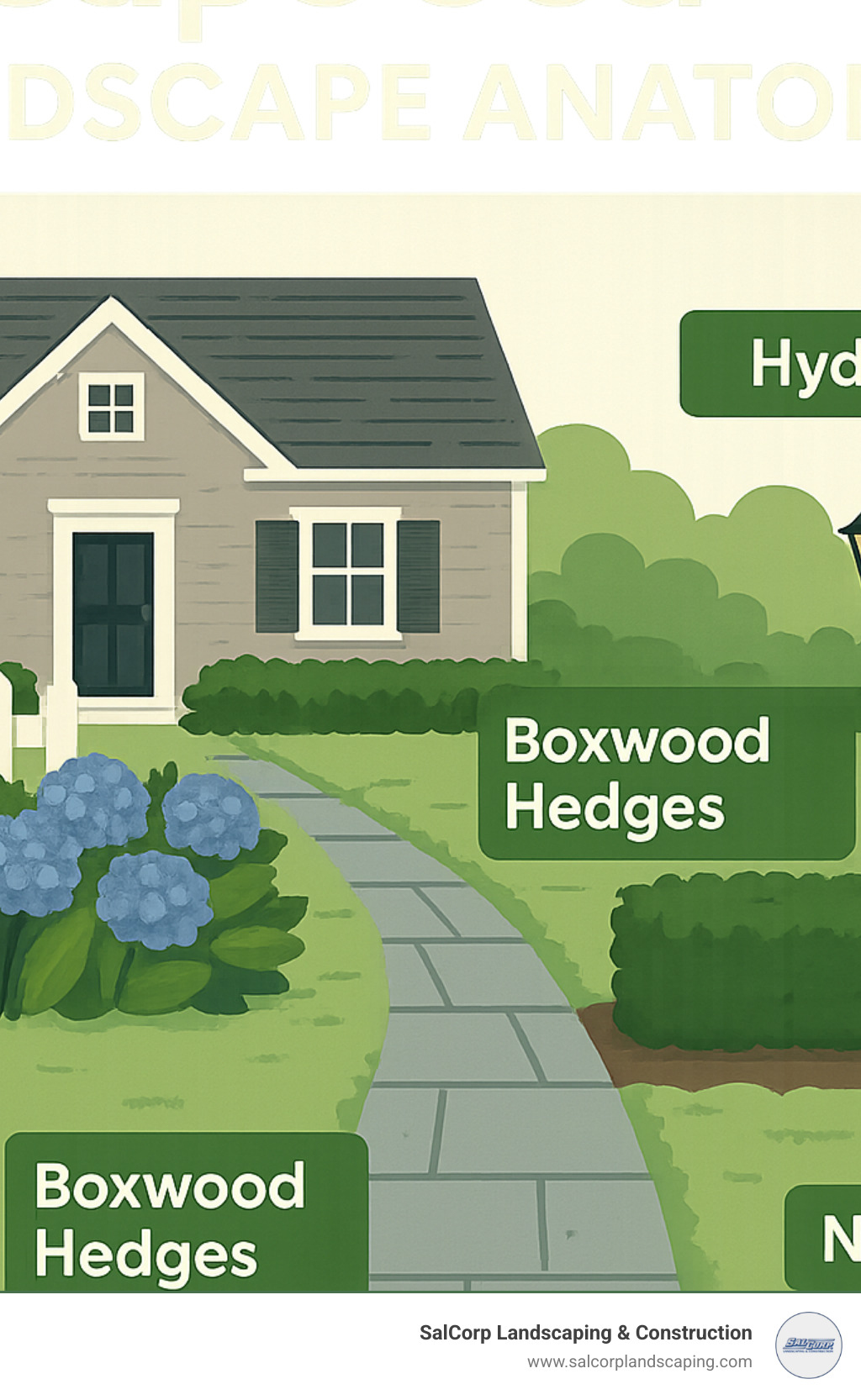
- Hydrangeas and boxwoods as foundation plantings
- Natural materials like peastone or oyster shell for driveways
- Native plants that thrive in sandy, acidic soil conditions
- Simple color palette with blues, whites, and purples
- Lantern-style lighting for traditional charm
Cape Cod front yard landscaping combines timeless architectural elements with resilient plantings that can withstand coastal conditions. The style emerged from practical needs – homes designed to weather harsh New England winters while maintaining a simple, neat aesthetic that complements the natural surroundings.
With its origins dating back to the 17th century, Cape Cod style emphasizes symmetry, proportion, and a connection to the coastal environment. Today’s homeowners continue to accept these principles while incorporating modern sustainability practices.
“Aside from all its aesthetic appeal, the Cape is a wonderful place to garden,” notes Massachusetts landscape designer Elaine Johnson. The region’s distinctive sandy soils and maritime climate create unique opportunities for creating front yards that are both beautiful and ecologically sound.
The traditional Cape Cod landscape isn’t just about looks – it’s about creating harmony between your home and the natural environment. By selecting native plants adapted to local conditions, you can create a front yard that requires less maintenance while supporting local wildlife and protecting water quality.
I’m Sal Musto, owner of SalCorp Landscaping & Construction, and I’ve spent over two decades creating Cape Cod front yard landscaping designs that honor traditional New England aesthetics while incorporating sustainable practices for modern homeowners throughout Massachusetts.
Simple guide to Cape Cod front yard landscaping terms:
– Cape Cod Hardscaping
– Cape Cod deck design
– Cape Cod fence installation
Defining Cape Cod Curb Appeal
There’s something magical about rounding the corner and spotting a classic Cape Cod home nestled among hydrangeas and framed by a white picket fence. That first impression isn’t just luck—it’s carefully crafted curb appeal that honors centuries of New England tradition.
When we design Cape Cod front yard landscaping, we’re really telling a story about coastal living. The weathered cedar shingles that gray beautifully with age, crisp white trim that pops against the natural backdrop, and the perfect symmetry that welcomes visitors—these elements create that unmistakable Cape Cod charm.
I’ve spent years helping homeowners create front yards that feel both timeless and personal. The most successful Cape landscapes don’t fight against the architecture—they improve it, creating a seamless transition between home and nature that feels like it’s always been there.
“Cape Cod yards aren’t about the latest trends,” says landscape designer Phil Cheney, who’s been creating these iconic landscapes for over 24 years. “They’re about classic, timeless elements that respect both the home’s proportions and the region’s natural beauty.”
The elements that create that authentic Cape Cod welcome include the white picket fences that have defined property lines for generations, the structured boxwood hedges that provide year-round form, and of course, those stunning blue hydrangeas that have become synonymous with Cape Cod summers. Privet screens offer privacy without feeling unwelcoming, while traditional lantern lighting guides visitors safely to your door along cottage-style walkways.
Cape Cod Front Yard Landscaping Style Snapshot
The best Cape Cod front yard landscaping respects the unique proportions of these beloved homes. With their distinctive horizontal emphasis and low-slung rooflines, Cape houses have a humble presence that landscaping should complement rather than overwhelm.

When I work with homeowners on their Cape Cod landscapes, I focus on several key principles. First, we create a welcoming entry axis that draws the eye naturally to the front door. We carefully respect the roofline by keeping foundation plantings properly scaled—no towering shrubs that hide those charming architectural details. Symmetry matters in Cape Cod design, but it doesn’t have to be rigid—we aim for balanced plantings that frame the entry with purpose.
One of my favorite techniques is incorporating seasonal color pops through container gardens. These allow homeowners to refresh their curb appeal with the changing seasons without disrupting the classic framework.
“The traditional Cape Cod landscape is really about restraint,” landscape designer Elaine Johnson often reminds her clients. “You want to improve the architecture without competing with it.”
Dos & Don’ts of Foundation Plantings
The space where your home meets the landscape deserves special attention. Foundation plantings anchor your Cape home to its surroundings and create that essential transition between built and natural environments.
For successful Cape Cod front yard landscaping, your foundation plantings need to respect both the architecture and the practical realities of coastal New England living.
DO choose dwarf evergreen varieties that maintain their proportions for years without constant pruning. DO maintain proper scale—I always remind homeowners that plants should stay below windowsills even at maturity. DO group plants in odd numbers (3, 5, or 7) for a more natural, pleasing appearance. And if you’re near the coast, DO select salt-tolerant varieties that won’t struggle with ocean spray.
Just as important are the don’ts: DON’T plant too close to your foundation—remember to allow space for mature spread plus a buffer. DON’T choose fast-growing species that will quickly outgrow their welcome. DON’T block those charming Cape Cod windows with overgrown shrubs. And please DON’T create a solid hedge that completely hides your home’s foundation—that defeats the purpose of those beautiful architectural details.
“One of the biggest mistakes I see is choosing plants that are too large for the space,” I often tell my clients. “Those cute little shrubs from the nursery can grow into monsters that overwhelm a Cape Cod home’s proportions.”
For foundation plantings that truly thrive in Cape Cod conditions, I recommend dwarf inkberry holly, Little Princess spirea, compact Korean lilac, dwarf hinoki cypress, and the ever-popular Endless Summer® hydrangeas. These varieties provide structure, seasonal interest, and proper scale for the classic Cape home.
Need help creating the perfect foundation planting plan? Our team at SalCorp can create a custom Landscape Design that improves your home’s architectural features while ensuring the right plants for your specific site conditions.
Native Plant Palette & Low-Maintenance Beds
Creating a sustainable Cape Cod front yard landscaping design begins with choosing plants that truly belong there. Native species have evolved alongside local wildlife for centuries, perfectly adapted to Cape Cod’s challenging conditions – those sandy, acidic soils, salty sea spray, persistent coastal winds, and our distinctive seasonal shifts.
The environmental stakes are surprisingly high. According to research from the Association to Preserve Cape Cod, since 1970, nearly three billion birds—roughly one-third of North America’s breeding birds—have vanished, with approximately 70 species teetering on extinction’s edge. This alarming decline connects directly to habitat loss and the disappearance of native plants that support local food webs.
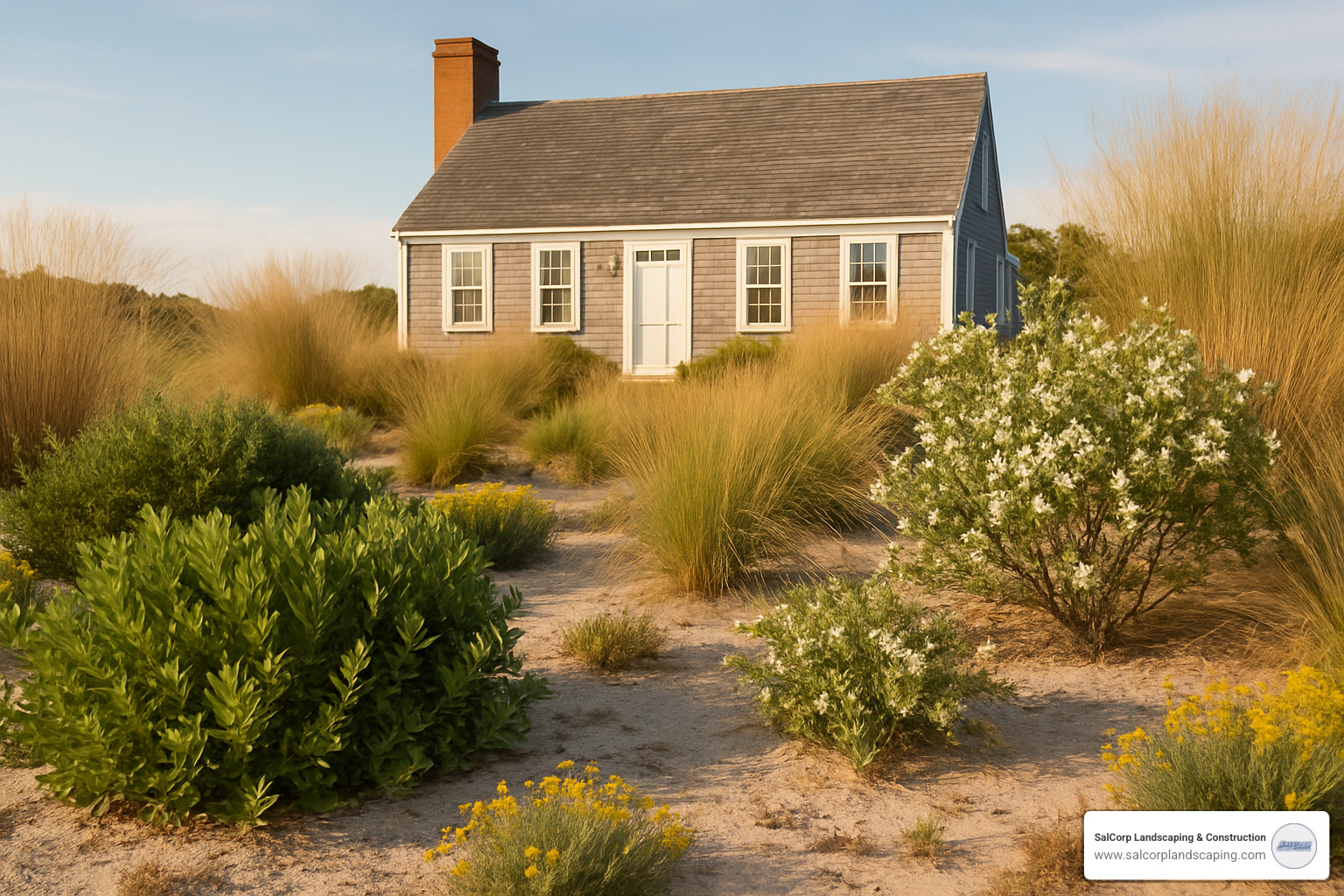
When I’m designing front yards for Cape homes, I love working with bayberry shrubs, with their aromatic leaves and silvery berries that persist through winter. Beach plum offers both spring beauty with its delicate white flowers and fall interest with edible purple fruits that make wonderful jam. For movement and structure, nothing beats the graceful sway of switchgrass and little bluestem, both of which transition beautifully through the seasons with changing colors.
For foundation plantings, inkberry provides evergreen structure without overwhelming your home’s proportions. Add pops of color with black-eyed Susan’s cheerful yellow blooms and bee balm’s vibrant flowers that draw hummingbirds and butterflies to your yard.
“Neighborhoods with less than 70% native plants had a drastically reduced success rate for baby birds fledging,” notes ecological research conducted right here on Cape Cod. The studies found that “the presence of at least 94% native plants was ideal for supporting local bird populations.” At SalCorp, we’ve seen how incorporating these native beauties creates not just gorgeous landscapes, but ones that require less watering, fertilizing, and overall fussing.
Cape Cod Front Yard Landscaping Plant Short-List
After two decades of creating Cape Cod front yard landscaping designs, I’ve developed a reliable palette of native plants that deliver year-round interest while supporting our local ecosystem. My top recommendations include:
American holly provides evergreen structure and bright red berries that feed birds through winter. Northern bayberry thrives in our coastal conditions with aromatic leaves that deer typically avoid. Sweet pepperbush fills summer evenings with honey-scented blooms that pollinators absolutely adore, while Eastern red cedar offers year-round structure and critical bird habitat.
For ground-level interest, bearberry creates a stunning carpet in sunny spots, and New England aster delivers late-season purple blooms when most gardens are fading. Seaside goldenrod stands strong against salt spray with bright yellow flowers that become vital food sources for migrating monarchs.
The magic of a well-designed native garden is how it unfolds through the seasons. Spring brings the delicate white blossoms of beach plum and lowbush blueberry, summer showcases the fragrant flowers of sweet pepperbush, fall explodes with the purple of New England aster alongside the copper tones of little bluestem, and winter reveals the architectural beauty of American holly with its bright berries against evergreen foliage.
The ecological impact of these choices extends beyond beauty. Research shows that “over 95% of North American terrestrial birds depend on caterpillars to feed their babies, and caterpillars require native plants.” Key caterpillar host plants for Cape Cod include oaks, cherries, willows, and native perennials like asters and goldenrods – each supporting dozens of butterfly and moth species that form the foundation of our local food web.
Mulch, Soil & Water-Wise Tips
Cape Cod’s naturally sandy, acidic soils present both challenges and opportunities for creating beautiful, sustainable landscapes. The good news? These well-draining conditions are perfect for many native plants, but a few smart soil practices will help your garden thrive.
Start with a soil test before making any amendments – it’s the only way to know exactly what your specific yard needs. Generally, adding quality compost improves water retention while maintaining the good drainage that many Cape natives prefer. I’ve found that local compost blends incorporating seaweed provide trace minerals that benefit coastal plants.
For mulching, pine needles make an excellent choice that complements the Cape aesthetic while naturally maintaining the acidic soil conditions that native plants love. Apply a 2-3 inch layer, being careful to keep mulch pulled back from plant stems to prevent rot and disease issues. This simple practice dramatically reduces watering needs while suppressing weeds naturally.
Water-wise gardening is especially important on Cape Cod, where summer droughts are becoming more common. Installing drip irrigation delivers water directly to plant roots with minimal waste, and rain barrels capture roof runoff for free garden irrigation. These systems quickly pay for themselves in water savings and healthier plants.
The environmental impact of conventional lawn and garden care on Cape Cod is startling. “A 2014 report found that nearly six million pounds of fertilizer and 1.3 million pounds of pesticides are applied annually to the Cape Cod landscape, with over 80 percent from residential use,” according to local environmental organizations. These chemicals threaten both our sole-source aquifer and delicate coastal ecosystems.
At SalCorp, we’re committed to sustainable practices that protect Cape Cod’s natural beauty. Our Mulch Delivery and Installation service provides expert guidance on selecting the right products for your specific landscape needs, with proper application techniques that maximize benefits while minimizing environmental impact.
For more information about native plant selection and care, the Cape Cod Native Plants organization offers excellent scientific research and practical growing advice specific to our region.
Hardscape Harmony: Paths, Driveways & Stone Walls
The hardscape elements in your Cape Cod front yard landscaping are like the bones of your outdoor space—they create the framework that brings your entire design together. These structural components should feel at home alongside your Cape’s architecture while standing up to New England’s challenging climate.

When I walk onto a quintessential Cape property, I’m always struck by the satisfying crunch of pea stone underfoot. That distinctive sound signals you’ve arrived somewhere special. Traditional pea stone or oyster shell driveways aren’t just beautiful—they’re practical too, allowing rainwater to filter naturally into the ground rather than running off into storm drains.
Granite cobbles provide that perfect edge definition between your driveway and garden beds, weathering gracefully over decades. For walkways, nothing beats the character of reclaimed brick with its subtle color variations and timeworn patina. As landscape designer Elaine Johnson often tells her clients, “Concrete and asphalt driveways look out of character with muted Cape Cod tones. Peastone aggregate or oyster shells reflect the coastal palette better and allow rainwater to percolate into the ground.”
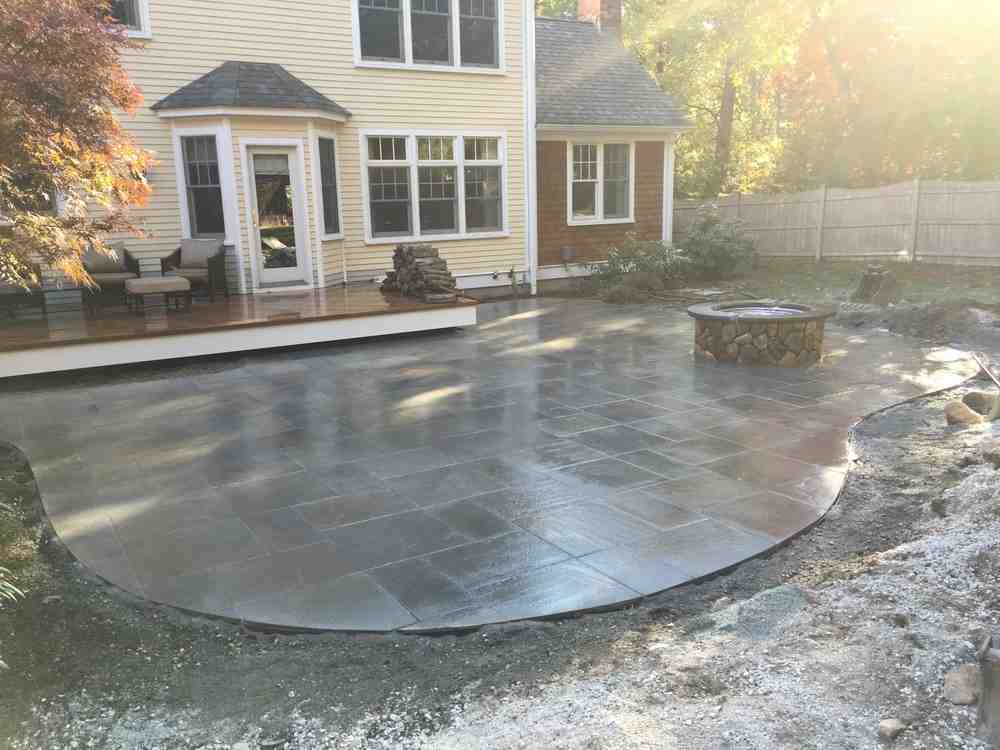
Bluestone steppers create natural-looking garden paths with their subtle blue-gray tones that echo the coastal sky. For gentle grade changes, low dry-stack stone walls define spaces without feeling imposing—they seem to rise naturally from the landscape itself. In particularly sandy areas, liftd wood boardwalks reminiscent of beach access trails can create practical pathways while preserving that seaside feel.
For clients concerned about modern accessibility needs, we often recommend permeable pavers that maintain traditional aesthetics while allowing water infiltration. These offer the best of both worlds—classic appearance with contemporary performance.
At SalCorp, our craftsmen understand how to properly install hardscape elements that stand up to New England’s notorious freeze-thaw cycles. We’ve spent over two decades perfecting these techniques. For comprehensive Hardscaping Services in Sandwich MA, we bring that experience to every project.
Integrating Hardscape with Cape Cod Architecture
The most successful Cape Cod front yard landscaping feels as though it evolved naturally alongside the house. Nothing should appear too new or disconnected from the home’s character—the hardscape should tell the same story as the architecture.
Material matching is essential—if your home features weathered cedar shingles, hardscape elements with similar warm tones create visual harmony. For white clapboard homes, crisp bluestone or granite provide a pleasing contrast. Scale matters too—we keep walls and structures intentionally low to maintain the home as the focal point, never competing with the architecture.
“A curved brick or bluestone front walkway edged with low-growing perennials creates an inviting approach to a Cape Cod home,” I often tell my clients at SalCorp. “The slight curve adds interest while the traditional materials tie back to the home’s architectural heritage.”
Front entry emphasis is crucial—your walkway should direct attention naturally to the front door, creating a sense of welcome and arrival. For front stoop upgrades, nothing beats the timeless appeal of bluestone or granite landings. Low flanking walls can create a sense of accept as visitors approach, while integrated lighting ensures safety after dark. Container plantings here add that perfect pop of seasonal color.
For homes with porches, we pay special attention to creating seamless transitions between indoor and outdoor living spaces. A thoughtfully designed connection between your porch and garden paths can make the entire property feel more expansive and inviting.
Lighting & Wayfinding
As evening falls on Cape Cod, thoughtful lighting transforms your front yard from merely beautiful to truly magical. Traditional Cape homes deserve lighting that honors their historical character while providing modern functionality.
Antique lantern fixtures, whether wall-mounted beside the front door or atop a garden post, cast a warm welcoming glow while withstanding coastal conditions. Their weathered finishes only improve with age. For paths and walkways, discreet low-voltage LED lights guide visitors safely while consuming minimal energy.
One of my favorite techniques is downlighting from trees—installing fixtures high in branches creates a subtle moonlight effect that highlights landscape features without harsh illumination. For specimen trees or architectural elements, selective up-lighting creates dramatic focal points after dark.
“Lighting serves both as decoration and practical nightlighting in coastal conditions,” notes landscape designer Phil Cheney. We always recommend placing fixtures where they’ll be somewhat protected from the harshest weather while providing necessary illumination.
For clients concerned about security, we incorporate motion-sensor lights positioned discreetly to maintain aesthetics while deterring unwanted visitors. The key is integrating these practical elements without disrupting the overall design.
At SalCorp, we design lighting systems that improve safety while creating that warm, welcoming atmosphere Cape homes are known for. Our lighting plans consider seasonal changes, energy efficiency, and the unique character of your home. After all, the right lighting doesn’t just illuminate your landscape—it highlights all the thoughtful details that make your Cape Cod front yard special.
Eco-Smart Lawn Alternatives & Stormwater Solutions
Traditional turf lawns are beautiful but often impractical for Cape Cod front yard landscaping. They demand constant watering, mowing, and chemical treatments – resources that could be better used elsewhere. The good news? There are plenty of eco-friendly alternatives that not only look gorgeous but also create resilient landscapes perfectly suited to Cape Cod’s unique coastal conditions.
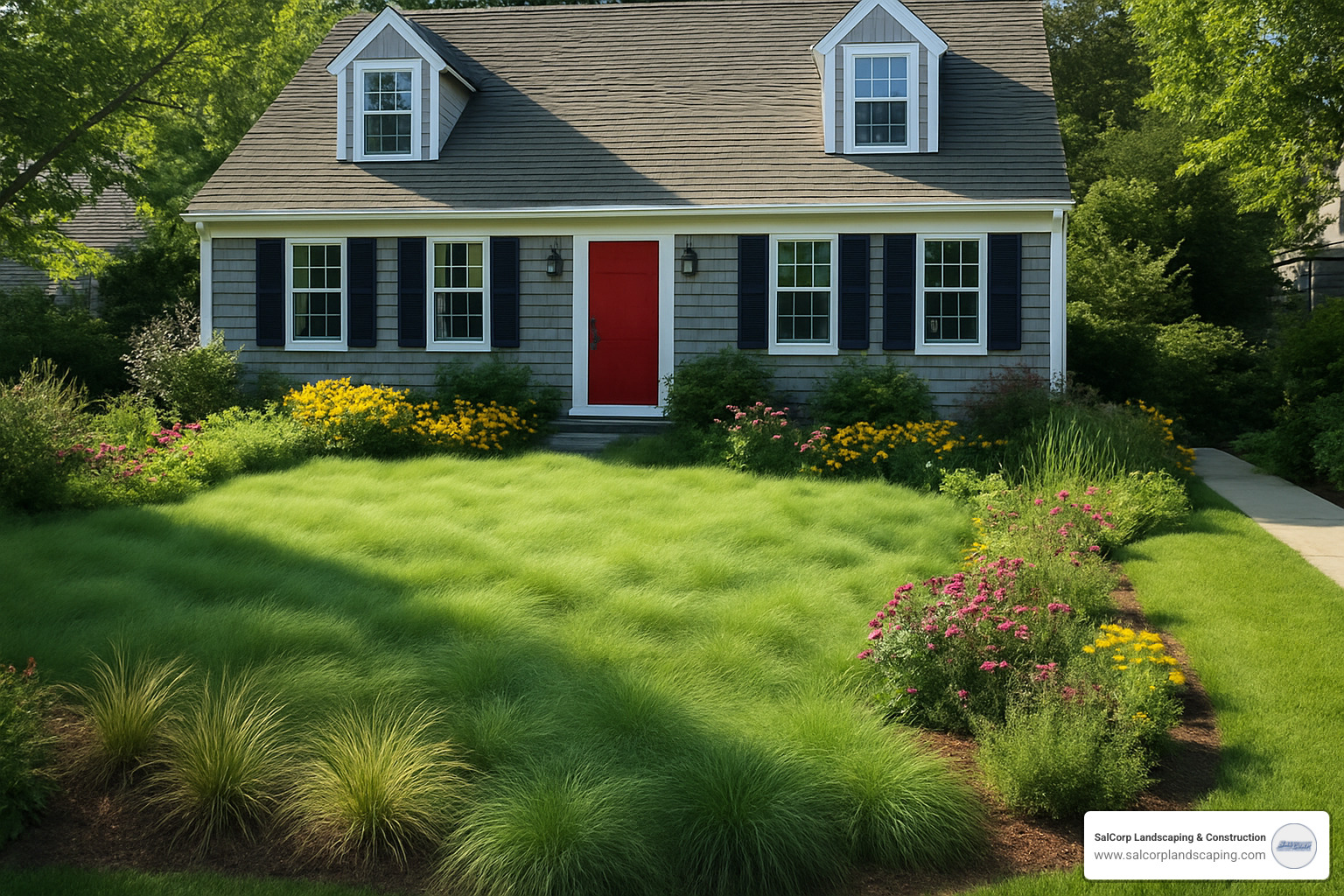
When I work with homeowners on Cape Cod properties, I often recommend a Cape Cod eco-lawn mix – a thoughtful blend of fine fescues and native grasses that thrive with minimal care. Red fescue is particularly well-suited to our sandy, acidic soils, while Pennsylvania sedge creates a lush, carpet-like appearance in partially shaded areas. For those shady spots where grass struggles, moss pockets offer a natural groundcover that never needs mowing, and creeping thyme provides an aromatic alternative that can handle light foot traffic while standing up to drought.
“A Cape Cod lawn—composed of native species and mosses—requires little to no irrigation or fertilization and can go dormant in summer,” notes ecological research. “This natural approach reduces maintenance while protecting our fragile environment.”
Stormwater management is equally important here on the Cape, where protecting our groundwater and preventing pollution runoff directly impacts our beaches, bays, and drinking water. That’s why at SalCorp, we integrate beautiful solutions like rain gardens – shallow depressions filled with water-loving native plants that capture runoff before it can reach sensitive waterways.
We also implement bioswales (planted channels that direct and filter stormwater), drip edge trenches (gravel-filled channels capturing roof runoff), and porous pavements that allow water to naturally infiltrate rather than rush toward storm drains carrying pollutants.
These solutions don’t just protect our environment – they create more interesting, dynamic landscapes with greater visual appeal than traditional lawns.
Cutting Water, Fertilizer & Chemicals
The environmental impact of conventional landscaping on Cape Cod is something we can no longer ignore. The statistics tell a sobering story:
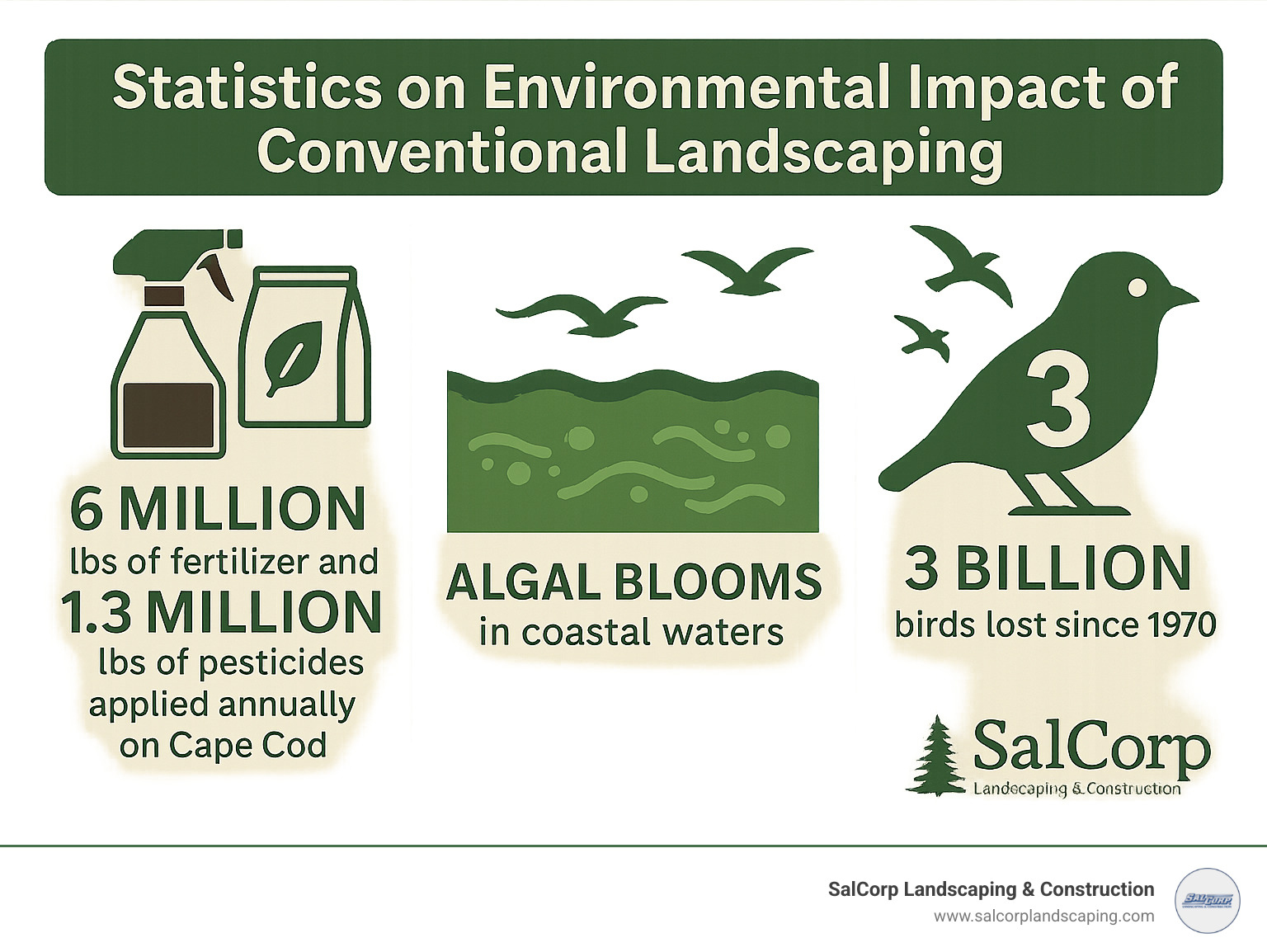
A comprehensive 2014 report found that nearly six million pounds of fertilizer and 1.3 million pounds of pesticides are applied annually across Cape Cod landscapes. Even more concerning, over 80% comes from residential use – that’s our own backyards and front lawns. These chemicals don’t just disappear; they threaten Cape Cod’s sole-source aquifer (our only drinking water supply) and contribute to the harmful algal blooms we’re seeing more frequently in our coastal waters.
The impact extends beyond water. Since 1970, North America has lost nearly three billion birds, with habitat loss and chemical use identified as major factors. This wildlife decline signals broader ecosystem troubles that affect everything from pollination to natural pest control.
At SalCorp, we practice and promote sustainable landscaping through several key approaches. We prioritize native plant selection, choosing species already adapted to Cape Cod conditions that naturally require less water and fertilizer. We emphasize proper plant placement – putting the right plant in the right place means less supplemental care and fewer resources wasted.
We build healthy soil through organic soil management, reducing the need for synthetic amendments. Rather than reaching for chemical sprays at the first sign of pests, we implement integrated pest management, using natural controls and tolerating minor damage when it doesn’t threaten plant health. And we apply xeriscaping principles, thoughtfully grouping plants by water needs to minimize irrigation demands.
As ecological landscaping expert Kristin Andres wisely notes, “You have permission to have a Cape Cod lawn because, after all, you live on Cape Cod.” This means embracing a more natural approach – allowing some diversity in your turf, accepting seasonal dormancy during dry periods, and focusing on soil health rather than perfect green carpets.
By reducing chemical inputs, you’re protecting Cape Cod’s precious water resources while creating healthier habitat for birds, butterflies, bees, and all the wildlife that makes our region special.
Rewilding the Parking Strip
That narrow strip between sidewalk and street – variously called a hell strip, tree lawn, or parking strip – presents unique challenges in Cape Cod front yard landscaping. It’s highly visible yet must withstand brutal conditions: road salt, heat reflected from pavement, compacted soil, limited irrigation, and occasional foot traffic. Yet this challenging space offers a perfect opportunity to showcase native plants while supporting local ecology.
Transform this tough spot with drought-tolerant perennials like Sedum, Armeria, and Echinacea that thrive with minimal care. Incorporate salt-spray grasses such as Switchgrass and Little Bluestem that naturally tolerate road salt exposure. Consider creating curb infiltration strips – slight depressions with gravel and plants that capture and filter street runoff before it reaches storm drains.
“For parking strips, we recommend Carex pensylvanica as a lawn alternative,” I often suggest to clients. “This Pennsylvania sedge can be mowed occasionally or left as a flowing meadow texture. It’s tough, adaptable, and provides habitat value while looking intentional rather than neglected.”
Other excellent parking strip plants for Cape Cod include bearberry with its spreading habit and red berries, creeping juniper for year-round structure, prairie dropseed with its fountain-like form, sea thrift for charming pink blooms, and butterfly weed to support monarch butterflies and other pollinators.
These plants create a low-maintenance buffer that improves curb appeal while supporting local ecology. They’re also conversation starters – a chance to inspire neighbors with sustainable landscaping that looks beautiful while requiring less work and fewer resources.
The parking strip might be small, but it’s a highly visible opportunity to showcase your commitment to Cape Cod’s environmental health while creating a distinctive front yard that stands out for all the right reasons.
Bright Ideas, Accents & Common Mistakes
The magic of Cape Cod front yard landscaping often lies in those finishing touches that express your personal style while honoring coastal New England traditions. These thoughtful accents can transform a good landscape into something truly special that welcomes visitors and reflects your home’s character.
Window boxes bursting with colorful annuals instantly bring charm to a Cape Cod home. These simple additions create eye-catching focal points that change with the seasons, allowing you to refresh your curb appeal throughout the year. Traditional Cape homes look particularly inviting with window boxes filled with trailing lobelia, white alyssum, and red geraniums – a classic nautical color scheme that never goes out of style.
“My window boxes are always the first thing neighbors comment on,” shares Martha, a Cape Cod homeowner. “They’re relatively inexpensive but make such a dramatic difference to how welcoming our home feels.”
Seasonal planters flanking your front entry provide another opportunity to showcase your style. In spring, consider classic combinations of tulips and daffodils, transitioning to hydrangeas in summer, mums in fall, and evergreen boughs with red berries for winter. This simple rotation keeps your entrance looking fresh year-round.
Authentic shutters painted in deep navy, forest green, or classic black can dramatically improve your home’s architecture. These traditional elements should be properly sized as if they could actually close over the windows – a detail that instantly lifts the authenticity of your Cape Cod aesthetic.
For a subtle maritime touch, consider incorporating weathered nautical elements like a vintage buoy, ship’s bell, or small anchor. The key is restraint – one or two carefully placed items add character without creating a theme park feel. These elements should look as though they’ve naturally weathered in place over decades.
A well-placed garden bench invites both conversation and contemplation. Position it where it captures the best view of your garden or offers a comfortable spot to greet neighbors. Choose materials that will age gracefully in coastal conditions – teak, cedar, or powder-coated metal are excellent options.
Privacy screens created through strategic plantings or fencing can transform exposed areas into intimate garden rooms. For professional assistance with creating these private spaces, our Cape Cod Fence Installation services can help you select the perfect solution that complements your home’s architecture.
Night-Time Curb-Appeal Boosters
When the sun sets, thoughtful lighting transforms your Cape Cod front yard landscaping into a magical nightscape. Beyond safety and security, properly designed lighting creates depth, highlights architectural features, and extends your enjoyment of outdoor spaces well into the evening.
Path lighting guides visitors safely to your door while creating a welcoming ambiance. Low-profile fixtures that cast light downward prevent glare while illuminating the walking surface. We typically stagger these fixtures rather than creating an “airport runway” effect for a more natural appearance.
“The right lighting makes a Cape home look like something from a storybook at night,” explains Sal Musto. “The warm glow of copper lanterns against weathered shingles creates that quintessential New England charm that’s impossible to resist.”
Selective up-lighting of specimen trees creates dramatic focal points and adds depth to your nighttime landscape. This technique works particularly well with trees that have interesting bark texture or architectural branching patterns like paper birch or Japanese maple.
Down-lighting installed in trees creates a moonlight effect that feels natural and subtle. This technique washes light downward, illuminating paths and plantings below while concealing the light source – a professional touch that lifts your landscape lighting from ordinary to extraordinary.
When designing lighting systems, we prioritize dark-sky compliant fixtures that direct light precisely where needed without contributing to light pollution. This approach not only respects Cape Cod’s beautiful night skies but also reduces energy waste and minimizes impact on wildlife.
Top 5 Mistakes to Avoid in Cape Cod Front Yard Landscaping
Even well-intentioned homeowners can make costly mistakes when planning their Cape Cod front yard landscaping. After two decades of creating landscapes throughout Massachusetts, we’ve identified these common pitfalls:
Relying on monoculture lawns is perhaps the most widespread mistake. Traditional turf lawns demand excessive water, chemicals, and maintenance while offering minimal ecological value. Instead, consider incorporating native fescues, sedges, and low-growing groundcovers that require fewer resources while supporting local wildlife.
Choosing oversized foundation plants creates maintenance headaches that never end. That cute little juniper or rhododendron from the nursery can quickly engulf windows and walkways, obscuring your home’s architecture. “I can’t tell you how many beautiful Cape homes we’ve uncovered by removing overgrown foundation plantings,” notes Sal Musto. Always research mature sizes and select dwarf varieties for areas near the house.
Installing impermeable surfaces increases stormwater runoff and pollution while creating a harsh, unwelcoming appearance. Traditional Cape Cod driveways and walkways use permeable materials like peastone, oyster shells, or brick set in sand that allow water to percolate naturally into the ground. These materials not only function better environmentally but also look more authentic with Cape architecture.
Underestimating salt and wind exposure leads to struggling landscapes that never thrive. Cape Cod’s coastal conditions can be brutal on plants not adapted to salt spray and constant winds. Select native species like bayberry, beach plum, and rosa rugosa that have evolved to flourish in these challenging conditions.
Neglecting wildlife needs misses an opportunity to create a landscape that’s both beautiful and ecologically valuable. By incorporating native plants that provide food, shelter, and nesting sites for birds, butterflies, and beneficial insects, you’ll create a front yard that’s not only more interesting but also requires less intervention to maintain.
By avoiding these common mistakes, you’ll create a front yard that improves your home’s architecture, supports local ecology, and becomes more beautiful with each passing year – the true hallmark of successful Cape Cod front yard landscaping.
Frequently Asked Questions about Cape Cod Front Yard Landscaping
What native shrubs give four-season interest?
When clients ask me about creating year-round visual appeal in their Cape Cod front yard landscaping, I always emphasize the importance of selecting native shrubs that provide changing interest through the seasons.
Winterberry holly is one of my personal favorites for Cape properties. Unlike its evergreen cousins, this deciduous holly drops its leaves in fall to reveal stunning bright red berries that persist through winter. Birds love them, and they provide that perfect pop of color against the snow.
For structure and stability, nothing beats inkberry holly. This evergreen native maintains its form throughout the year, anchoring your foundation plantings with its deep green foliage and subtle black berries. It’s particularly salt-tolerant, making it ideal for coastal properties.
Northern bayberry offers something special in every season. The semi-evergreen foliage is wonderfully aromatic (crush a leaf between your fingers and you’ll understand), and the silvery berries add winter interest. Plus, it handles sandy soils beautifully.
For clients who want dramatic seasonal changes, I often recommend sweetspire. The fragrant white flower spires in spring are delightful, but the real show happens in fall when the foliage transforms into brilliant shades of crimson and purple.
Red twig dogwood rounds out my top recommendations. After its white spring flowers and fall berries, the vibrant red stems create striking winter interest, especially against snow or evergreen backdrops.
“Cape Cod has the highest number and highest density of state-listed rare plant and animal species of any region in Massachusetts,” notes ecological research. By incorporating these native shrubs into your landscape, you’re not just creating beauty—you’re supporting the unique biodiversity that makes Cape Cod special.
How can I reduce lawn yet keep a neat look?
Many of my Cape Cod clients want to minimize their lawn areas but worry about maintaining that clean, traditional appearance that complements their home’s architecture. The good news is you can absolutely achieve both goals with thoughtful design.
Define clear edges between different landscape elements. I’ve found that steel edging or natural stone borders create those crisp, clean lines that signal intentionality. This simple detail makes a reduced-lawn landscape look deliberate rather than neglected.
Expanding your foundation plantings is perhaps the easiest way to reduce lawn while enhancing your home’s appearance. Consider widening those beds around the house with layered plantings—taller shrubs at the back, mid-height perennials in the middle, and groundcovers at the front. The visual depth this creates is far more interesting than a flat expanse of grass.
A formal path through your front yard does double duty—it reduces lawn area while adding structure and purpose to the landscape. Bluestone, brick, or shell materials complement Cape Cod architecture beautifully.
“A formal landscape aesthetic best complements Cape Cod architecture,” notes landscape designer Elaine Johnson. “The key is maintaining clean lines and a sense of intentionality.”
For larger properties, island beds can break up remaining lawn areas while adding seasonal interest. These defined planting areas can showcase specimen trees or seasonal perennials while significantly reducing your total turf area.
In difficult spots where grass struggles—deep shade, poor soil, or high-traffic areas—groundcovers offer a practical alternative. Many native options like bearberry or Pennsylvania sedge require virtually no maintenance once established.
At SalCorp, we’ve guided many homeowners through phased lawn reduction approaches, allowing them to transform their landscapes gradually while maintaining curb appeal throughout the process.
Are pea-stone driveways really low maintenance?
When it comes to traditional Cape Cod front yard landscaping, few elements are as iconic as a pea-stone or crushed shell driveway. The natural appearance and satisfying crunch underfoot perfectly complement the Cape’s architectural heritage. But clients often ask me about the maintenance reality behind these charming surfaces.
The truth? Pea-stone driveways have distinct advantages but also require specific care considerations.
On the plus side, these permeable surfaces allow rainwater to infiltrate naturally, reducing runoff and supporting groundwater recharge—an important ecological benefit on Cape Cod. They’re also relatively easy to repair (just add more material to low spots) and typically cost less initially than paved alternatives.
However, I always have honest conversations with clients about the maintenance aspects. Without proper edging and base preparation, stones can migrate onto adjacent lawn areas or planting beds. After heavy rains or snow plowing, some redistribution may be necessary. As one landscape professional notes, “Shell and loose-stone driveways exacerbate winter debris issues after plowing. The debris ends up in snowbanks and then on lawns after the snow melts.”
For clients seeking the traditional look with lower maintenance requirements, I often recommend stabilized pea stone (where resin binds the aggregate in place) or permeable pavers designed to complement Cape Cod aesthetics. These options maintain the traditional appearance while reducing maintenance needs.
Proper installation makes all the difference. At SalCorp, we ensure adequate base preparation and appropriate edging to minimize migration and rutting issues. We can help you weigh the aesthetic benefits against maintenance considerations based on your specific property conditions and lifestyle needs.
Conclusion
Creating the perfect Cape Cod front yard landscaping design strikes a delicate balance between classic New England charm and practical solutions for our unique coastal environment. When done right, your front yard becomes more than just curb appeal – it’s a welcoming extension of your home that honors Cape Cod’s rich architectural heritage while supporting our fragile local ecosystem.
Throughout my 20+ years of designing and building landscapes across Massachusetts, I’ve seen how thoughtful plant selection and hardscaping choices can transform a ordinary front yard into something truly special. The most successful Cape Cod landscapes accept our region’s natural beauty rather than fighting against it.
At SalCorp Landscaping & Construction, we take a holistic approach to every project. As an owner-operated business based in Walpole, we bring a personal touch to each landscape we create. Our clients appreciate that we handle everything in-house – from the initial design consultation through final installation – using our own machinery and experienced team members who understand the nuances of New England’s challenging climate.
What sets our approach apart is our commitment to sustainability without sacrificing beauty. We believe you shouldn’t have to choose between a gorgeous landscape and one that’s kind to our Cape Cod environment. By incorporating native plants that support local wildlife, permeable surfaces that protect our groundwater, and thoughtful lighting that respects our dark skies, we create front yards that look stunning while treading lightly on the land.
Whether you’re looking to refresh your foundation plantings with salt-tolerant natives, install a traditional bluestone walkway that will weather gracefully for decades, or completely reimagine your property with a comprehensive landscape plan, we’re here to help bring your vision to life.
Ready to create a Cape Cod front yard landscaping design that combines timeless charm with modern sustainability? Explore our Hardscaping Services in Wellesley or reach out directly to schedule a consultation. Let’s work together to create a front yard that welcomes visitors, improves your home’s architecture, and stands up beautifully to everything our New England weather can throw at it.