

Commercial Landscaping Business: 7 Powerful Success Tips

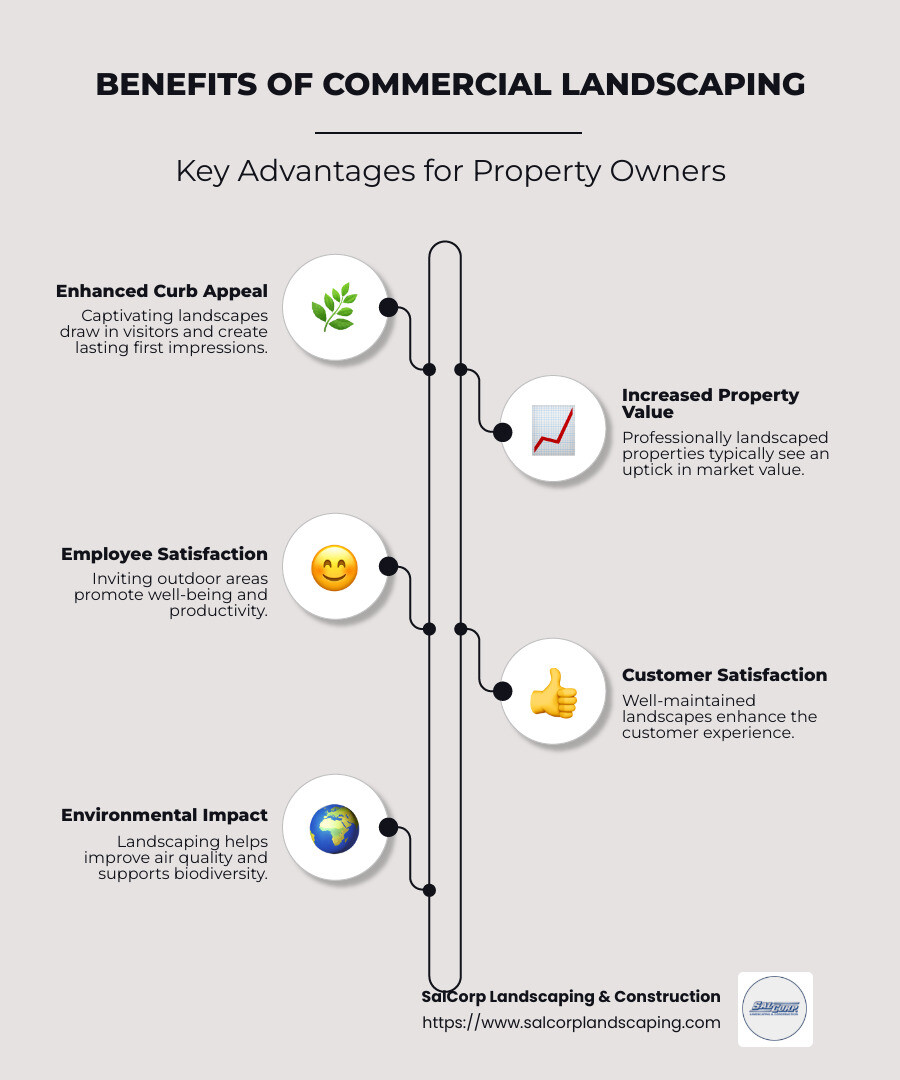
The commercial landscaping business is a dynamic field offering extensive opportunities for growth and profitability. As you consider venturing into this thriving industry, understanding its importance becomes paramount. A carefully designed and maintained outdoor space can significantly improve the appeal of commercial properties, directly impacting customer perception and satisfaction. Key facets to focus on include:
- Improved Curb Appeal: Captivating landscapes draw in visitors and create lasting first impressions.
- Increased Property Value: Professionally landscaped properties typically see an uptick in market value.
- Employee and Customer Satisfaction: Inviting outdoor areas promote well-being and productivity.
Venturing into the commercial landscaping business requires more than just a passion for nature—it’s about delivering quality service that balances aesthetics and function. Business owners who prioritize exceptional upkeep create environments that resonate with the ethos of their companies, attracting and retaining clientele while supporting operational goals.
I’m Sal Musto, and I bring over two decades of expertise in the commercial landscaping field through my work at SalCorp Landscaping & Construction. We specialize in crafting beautiful, functional outdoor spaces, combining landscaping and hardscaping to meet diverse client needs. Let’s explore how you can successfully launch and grow your commercial landscaping business.
Commercial landscaping business vocabulary:
– commercial landscape contractors
– commercial landscape design
– commercial landscaping cost
Understanding the Commercial Landscaping Market
Stepping into the commercial landscaping business is like starting on a journey filled with potential and growth. This industry is not just about making spaces pretty; it’s about creating functional and appealing environments that improve business operations and customer experiences.
Key Services in Commercial Landscaping
When you dive into the commercial landscaping market, there are several key services that you’ll want to focus on:
- Lawn Care: This is the backbone of any landscaping service. It involves regular mowing, fertilization, and pest control to maintain lush, green lawns that make properties stand out.
- Landscape Maintenance: Beyond basic lawn care, this includes trimming, pruning, and ensuring that all plantings are healthy and thriving. Regular maintenance keeps the landscape looking its best throughout the year.
- Chemical Application: Proper use of fertilizers and pesticides is crucial. It ensures plants remain healthy and free from pests while complying with environmental standards.
- Mowing: Regular mowing is essential for maintaining an attractive and neat appearance. It’s a simple yet effective way to improve curb appeal.
Fastest-Growing Services
In recent years, certain services have seen a surge in demand, reflecting broader trends in the industry:
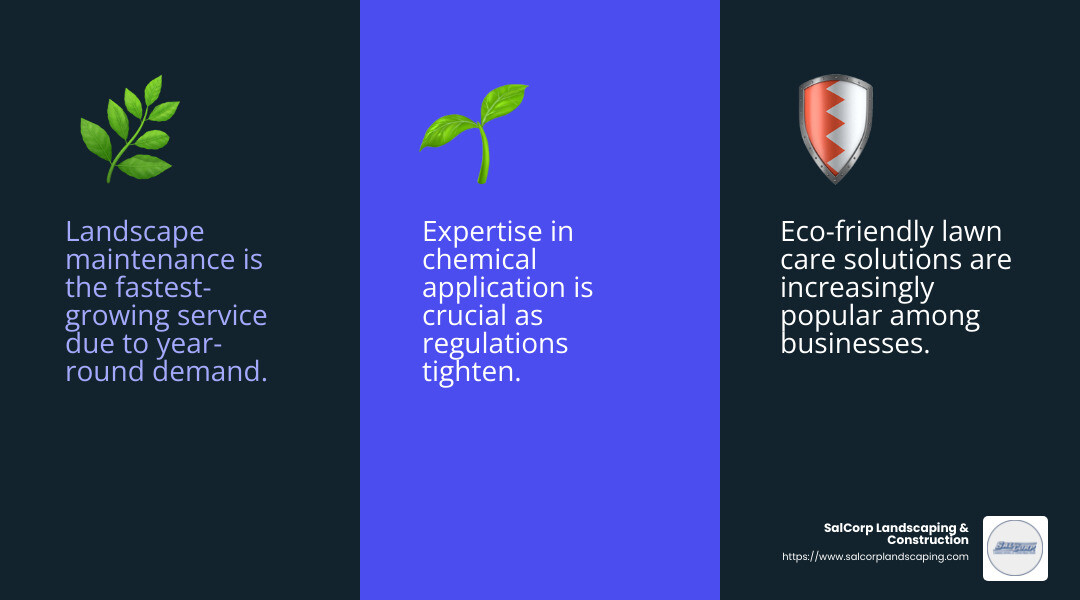
- Landscape Maintenance: As commercial properties strive for a polished look year-round, consistent maintenance has become a top priority. Businesses are increasingly outsourcing this task to ensure professional results.
- Lawn Care: With the rise in eco-friendly practices, more businesses are seeking sustainable lawn care solutions. This includes organic fertilizers and water-efficient landscaping techniques.
- Chemical Application: There’s a growing demand for expertise in safe and effective chemical applications. As regulations become stricter, businesses need professionals who can steer these complexities while maintaining plant health.
Market Analysis and Profitability
The commercial landscaping market is ripe with opportunities. According to industry insiders, the demand for high-quality landscaping services is on the rise, driven by businesses recognizing the value of well-maintained outdoor spaces. Commercial properties that invest in landscaping often see a return on investment through increased property values and customer satisfaction.
Growth opportunities abound as businesses continue to prioritize aesthetics and functionality. By focusing on key services and tapping into the fastest-growing areas, you can position your business for success in this competitive market.
In the next section, we’ll dig into the legal and licensing requirements necessary to operate a commercial landscaping business, ensuring you meet all regulatory standards and avoid potential pitfalls.
Legal and Licensing Requirements
Permits and Regulations
When starting a commercial landscaping business, understanding the legal landscape is crucial. In areas where SalCorp Landscaping & Construction operates, specific licenses are required to operate legally, especially when it comes to pesticide application. To apply pesticides commercially, you must pass an exam administered by the relevant local Department of Agriculture. This ensures that you know how to handle chemicals safely and comply with environmental regulations.
Tree Removal Permits are another key aspect. In many municipalities, removing trees requires special permission. For instance, as a rule of thumb, you may not need a permit for trees with a trunk diameter of less than 18 inches, but always check with your local landscape inspector. This is particularly important for trees designated as “street trees” or “historical trees,” which often have stricter regulations.
Local ordinances and compliance are not to be overlooked. Each city may have its own set of rules regarding the number of trees required on a commercial property. Typically, these rules are based on the type of business, zoning, and square footage. Compliance with these ordinances is vital to avoid fines and ensure your landscaping projects meet all necessary criteria.
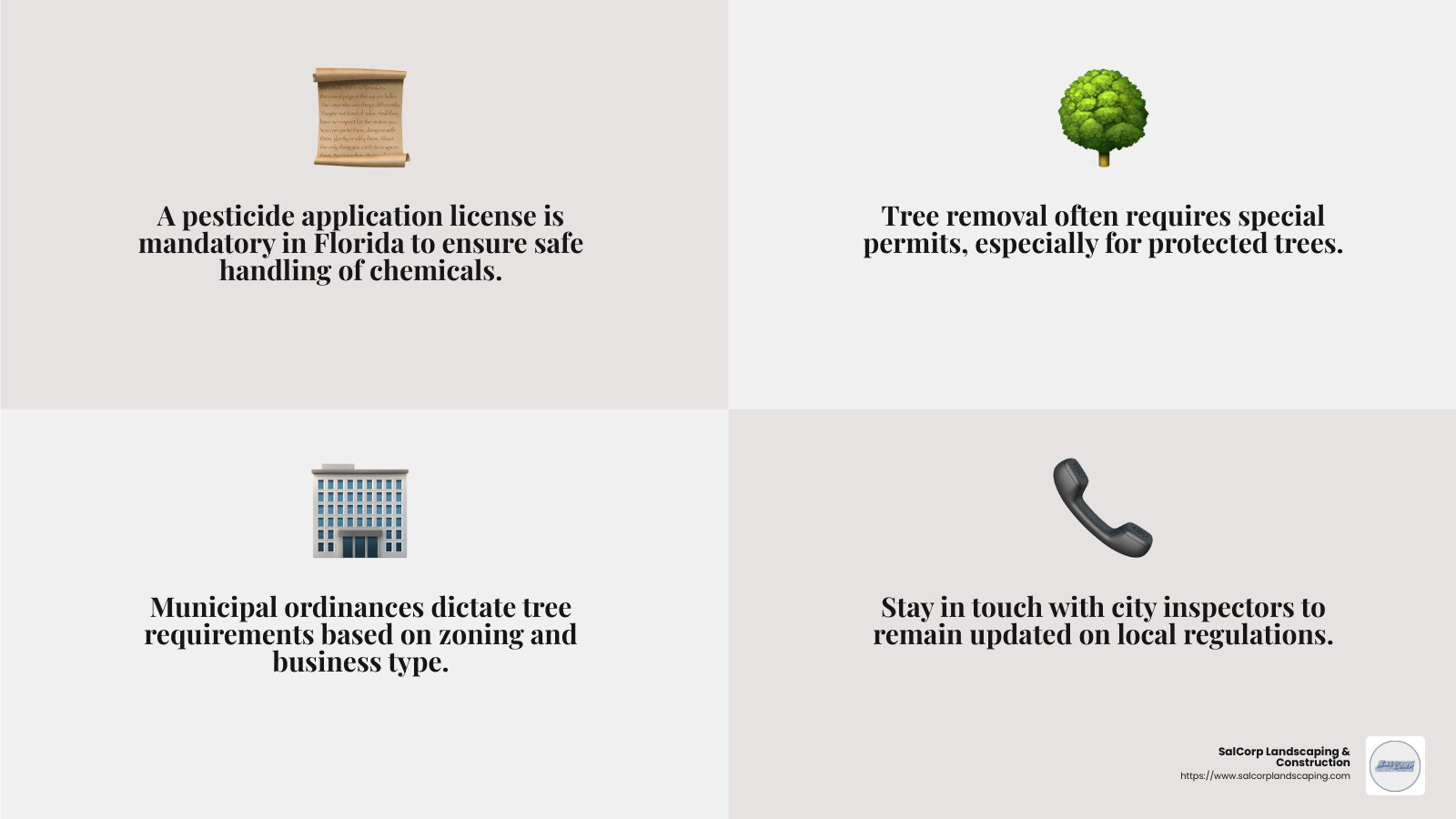
To ensure your business is on the right track, it’s wise to maintain open communication with city inspectors and stay updated on any changes in local laws. This proactive approach not only keeps you compliant but also builds trust with clients who rely on your expertise to steer legal requirements.
Building Your Commercial Landscaping Business
Essential Equipment and Resources
Starting a commercial landscaping business requires more than just passion for plants. It involves careful planning and investment in the right tools and resources.
Business Plan and Initial Investment
Before you dive in, create a solid business plan. This should outline your goals, target market, and the services you plan to offer. A good business plan acts as your roadmap, guiding you through the initial stages and helping you secure any necessary funding.
The initial investment is crucial. You’ll need to budget for essential equipment like mowers, trimmers, and possibly more advanced machinery like bobcats for larger projects. Additionally, consider the cost of setting up a plant nursery to ensure a steady supply of materials like trees, shrubs, and ground cover plants.
Material Availability
Having a steady supply of plants, mulch, and rock can give you a significant edge. Ensuring these materials are readily available not only reduces costs but also streamlines your operations.
Hiring and Training Staff
Skilled Labor
Your team is the backbone of your business. Hiring skilled labor is essential for maintaining quality and efficiency. Look for individuals who have experience in landscaping or are eager to learn.
Training Programs
Once you’ve assembled your team, invest in training programs. These can range from safety protocols to advanced landscaping techniques. Training ensures that your staff is equipped to handle the demands of commercial projects and can work efficiently.
Employee Benefits
Offering competitive benefits can help attract and retain top talent. This might include health insurance, retirement plans, or even perks like flexible hours. Happy employees are more productive and can significantly contribute to the success of your business.
In summary, building a successful commercial landscaping business involves a mix of strategic planning, investment in resources, and a focus on skilled staff. By laying this foundation, you’re setting your business up for growth and success in a competitive market.
Next, we’ll dig into marketing and outreach strategies that can help you connect with potential clients and grow your business.
Marketing and Outreach Strategies
Connecting with Local Business Owners
To grow your commercial landscaping business, building relationships with local business owners is key. These connections can open doors to new projects and long-term contracts. Here’s how you can get started:
Networking
Attend local business events and join community groups. Being active in your local chamber of commerce or real estate associations can help you meet property managers and decision-makers who might need your services.
Cold Emails and Calls
Don’t shy away from reaching out directly. Create a list of potential leads, such as business owners with properties that could benefit from landscaping. Send personalized emails or make phone calls to introduce your services. Persistence is important, even if the first response isn’t positive.
Property Managers
Property managers are often the gatekeepers to commercial landscaping opportunities. Focus on building rapport with them. They manage multiple properties and can offer repeat business if they trust your work.
Digital Marketing Techniques
Having a strong online presence is crucial for any business. Here’s how you can effectively market your commercial landscaping services online:
SEO (Search Engine Optimization)
Optimize your website to rank higher on search engines. Use relevant keywords like “commercial landscaping services” to attract potential clients searching for those terms. This increases your visibility and can drive more traffic to your site.
Google Ads
Consider investing in Google Ads. These paid advertisements can target specific demographics and appear when potential clients search for landscaping services in your area. It’s a quick way to get noticed by those who need your services now.
Social Media
Platforms like Facebook, Instagram, and LinkedIn are valuable for showcasing your work. Share photos of completed projects, customer testimonials, and behind-the-scenes content. Engaging with community pages can also build your brand’s presence.
User-Generated Content
Encourage satisfied clients to leave reviews on platforms like Yelp or Google. Positive reviews build trust and can influence others to choose your services. Consider offering incentives for reviews, such as discounts on future services.
By combining these outreach and digital marketing strategies, you can improve your visibility and credibility in the commercial landscaping market. This approach not only attracts new clients but also helps maintain relationships with existing ones, ensuring a steady flow of business.
Next, we’ll explore how to effectively bid and price your services to maintain competitive profit margins.
Bidding and Pricing Strategies
Understanding Client Needs
To effectively bid on projects in the commercial landscaping business, it’s crucial to first understand your client’s needs. Start by conducting a site visit. This allows you to assess the terrain, soil conditions, and any potential challenges.
During the visit, engage in clear communication with the client. Ask questions like:
- Do you have any preferred plant types?
- What ongoing maintenance can you commit to?
- What’s your budget for this project?
These questions help clarify the project scope and ensure that both you and the client are on the same page. Understanding these needs allows you to tailor your services and provide a more accurate estimate.
Estimating Costs
Once you’ve gathered information from the client, it’s time to estimate the costs. This involves breaking down the project into several components:
- Labor Costs: Determine the number of hours required and the crew size. Commercial projects often need more labor than residential ones.
- Material Costs: Calculate the amount and cost of materials needed, such as plants, mulch, or hardscaping materials. Be sure to consider the quality and type of materials that align with the client’s preferences.
- Overhead Costs: Factor in expenses like equipment maintenance, office rent, insurance, and utilities. These are the costs necessary to keep your business running smoothly.
- Seasonal Variations: Consider the impact of weather and seasons on your project timeline. For instance, extreme temperatures or shorter daylight hours can extend the project duration.
Once you have these estimates, it’s time to factor in your profit margin. A young company might start with a smaller margin to remain competitive, while a more established business can aim for higher profitability.
Competitive Pricing
To stay competitive, research the market and understand what other businesses are charging for similar services. While it’s tempting to undercut competitors, ensure your pricing allows for a sustainable profit. Offering limited-time discounts or seasonal specials can attract new clients without sacrificing long-term profitability.
By combining detailed cost estimation with a keen understanding of client needs, you can create competitive bids that maintain healthy profit margins. This approach not only helps in winning contracts but also builds trust and satisfaction with your clients.
Next, we’ll dig into managing projects efficiently to ensure timely delivery and quality results.
Managing Projects Efficiently
Efficient project management is the backbone of a successful commercial landscaping business. It ensures that projects are completed on time, within budget, and to the client’s satisfaction.
Handling Site-Specific Challenges
Every project site is unique, and understanding its specific challenges is critical. Terrain, soil conditions, and environmental factors can all influence the approach you take.
- Terrain: Some sites may have steep slopes or uneven ground. This requires careful planning to ensure safety and efficiency during the landscaping process.
- Soil Conditions: Soil quality can affect plant health and growth. Conduct soil tests to determine the need for amendments or specific plant types that thrive in existing conditions.
- Environmental Factors: Weather patterns, local wildlife, and existing vegetation can all impact your project. For example, frequent rain might delay work, while certain animals could damage young plants.
Addressing these challenges requires adaptability and a proactive approach. Having a skilled team that can adjust plans as needed is crucial.
Ensuring Quality and Customer Satisfaction
Delivering high-quality work is essential for building a strong reputation and securing repeat business. Implementing a robust quality control process helps maintain standards across all projects.
- Quality Control: Regular site inspections and checklists ensure that work meets both company standards and client expectations. This includes verifying that plant installations are correct, irrigation systems function properly, and hardscapes are built to last.
- Customer Feedback: Encourage clients to share their thoughts throughout the project. This can be done through surveys or direct conversations. Listening to feedback allows you to make real-time adjustments and improve client satisfaction.
- Reviews: Positive reviews can significantly boost your business. After a project is completed, kindly ask satisfied clients to leave a review online. This not only helps attract new clients but also provides valuable insights for continuous improvement.
By effectively managing projects and addressing site-specific challenges, you can ensure quality results and high customer satisfaction. This approach not only improves your reputation but also paves the way for future growth.
Next, we’ll explore how to market your services and reach potential clients effectively.
Frequently Asked Questions about Commercial Landscaping Business
What is the most profitable service in commercial landscaping?
In the field of commercial landscaping, some services tend to be more profitable than others. Lawn care, chemical application, and mowing maintenance are often at the top of this list.
- Lawn Care: This involves regular maintenance tasks like fertilizing, aerating, and weed control. It’s a recurring service, which means steady income.
- Chemical Application: This includes applying pesticides and fertilizers to keep landscapes healthy. It’s specialized work that requires expertise and can command higher fees.
- Mowing Maintenance: Routine mowing is essential for keeping commercial properties looking neat. It’s a frequent service that provides consistent revenue.
These services are in high demand because they keep properties attractive and safe, contributing to a business’s overall appeal.
Do you need a license to landscape in Massachusetts?
Yes, certain aspects of landscaping in Massachusetts require a license. For example, if your services include pesticide application, you must be licensed by the Massachusetts Department of Agricultural Resources. This is to ensure that all chemical applications are done safely and effectively.
To obtain this license, you need to pass an exam that tests your knowledge of safe pesticide use, environmental regulations, and best practices. It’s crucial to stay compliant with these requirements to avoid legal issues and ensure client trust.
What are the cons of owning a landscaping business?
While owning a commercial landscaping business can be rewarding, it also comes with challenges. Here are some cons to consider:
- Accountability: As a business owner, you’re responsible for all aspects of the operation, from client satisfaction to employee management. This can be stressful and requires strong organizational skills.
- Financial Considerations: Starting and maintaining a landscaping business requires significant investment in equipment, materials, and labor. Managing cash flow and ensuring profitability can be challenging, especially in the early stages.
- Job Management: Landscaping projects can be complex, involving multiple moving parts. Effective project management is crucial to ensure projects are completed on time and within budget.
Understanding these challenges and planning for them can help you steer the complexities of running a successful landscaping business.
Next, we’ll dive into marketing strategies to help your business reach potential clients effectively.
Conclusion
As we wrap up our guide on launching a commercial landscaping business, highlight the key strategies and resources that can set you on the path to success. At SalCorp Landscaping & Construction, we understand the intricacies of the industry and are committed to providing comprehensive solutions custom to your needs.
SalCorp Landscaping & Construction: A Partner You Can Trust
With over 20 years of experience, SalCorp Landscaping & Construction has established itself as a leader in the commercial landscaping sector. Our owner-operated approach ensures that every project we undertake meets our high standards for quality and sustainability. We take pride in using our own machinery, which allows us to offer cost-effective and efficient services.
Based in Walpole, Massachusetts, we serve various communities across the state, providing custom landscape design, hardscaping, and commercial snow management services. Our expertise and commitment to excellence make us a trusted partner for businesses looking to improve their outdoor spaces.
Find more about our commercial landscaping services.
Final Tips for Success
- Build Strong Relationships: Networking with local business owners and property managers is crucial. Establishing trust and demonstrating the value of your services can lead to long-term partnerships.
- Invest in Your Team: Hiring skilled staff and providing ongoing training ensures your team is equipped to handle diverse landscaping projects. Employee satisfaction leads to better service delivery.
- Accept Technology: Use digital tools for marketing, project management, and client communication. A strong online presence can attract potential clients and streamline your operations.
- Stay Compliant: Ensure you meet all legal and licensing requirements, such as obtaining necessary permits for pesticide application. Compliance builds trust and avoids potential legal issues.
- Focus on Customer Satisfaction: Deliver quality work and maintain open communication with clients. Customer feedback is invaluable for improving your services and building a loyal client base.
By following these tips, you can steer the challenges and seize the opportunities within the commercial landscaping industry. At SalCorp Landscaping & Construction, we’re here to support you every step of the way. Let’s transform your outdoor vision into reality, creating beautiful and sustainable landscapes that stand the test of time.
Whether you’re just starting or looking to expand your business, meticulous planning and a commitment to excellence are your keys to success.
