

Flower Bed Installation: 5 Steps to a Stunning Garden
Why Flower Bed Installation Transforms Your Property
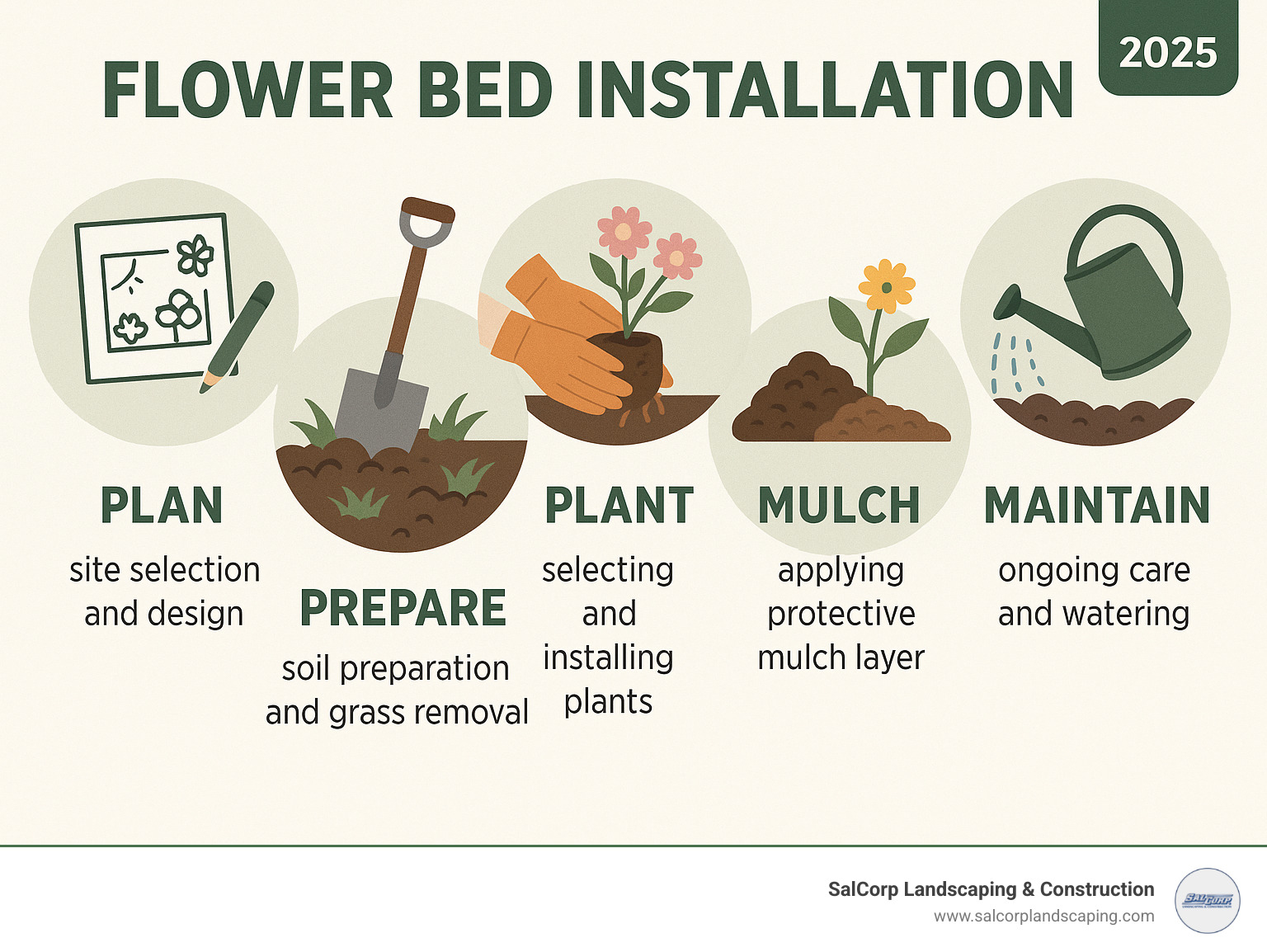
Flower bed installation is the process of creating designated planting areas by removing grass, preparing soil, and establishing plants to improve curb appeal and property value. Successful installation involves these key steps:
Essential Steps for Flower Bed Installation:
- Plan – Choose a location, assess sunlight (6-8 hours for most plants), and design the shape.
- Prepare – Remove existing grass, then test and amend soil 8-12 inches deep.
- Plant – Select plants for your zone, arrange them by height, and plant properly.
- Mulch – Apply 2-3 inches of mulch for moisture retention.
- Maintain – Water regularly, weed, and provide ongoing care.
A well-designed flower bed can dramatically boost your home’s curb appeal or create inviting outdoor spaces for a commercial property. The process transforms any lawn into a vibrant garden that provides seasonal color and attracts beneficial pollinators.
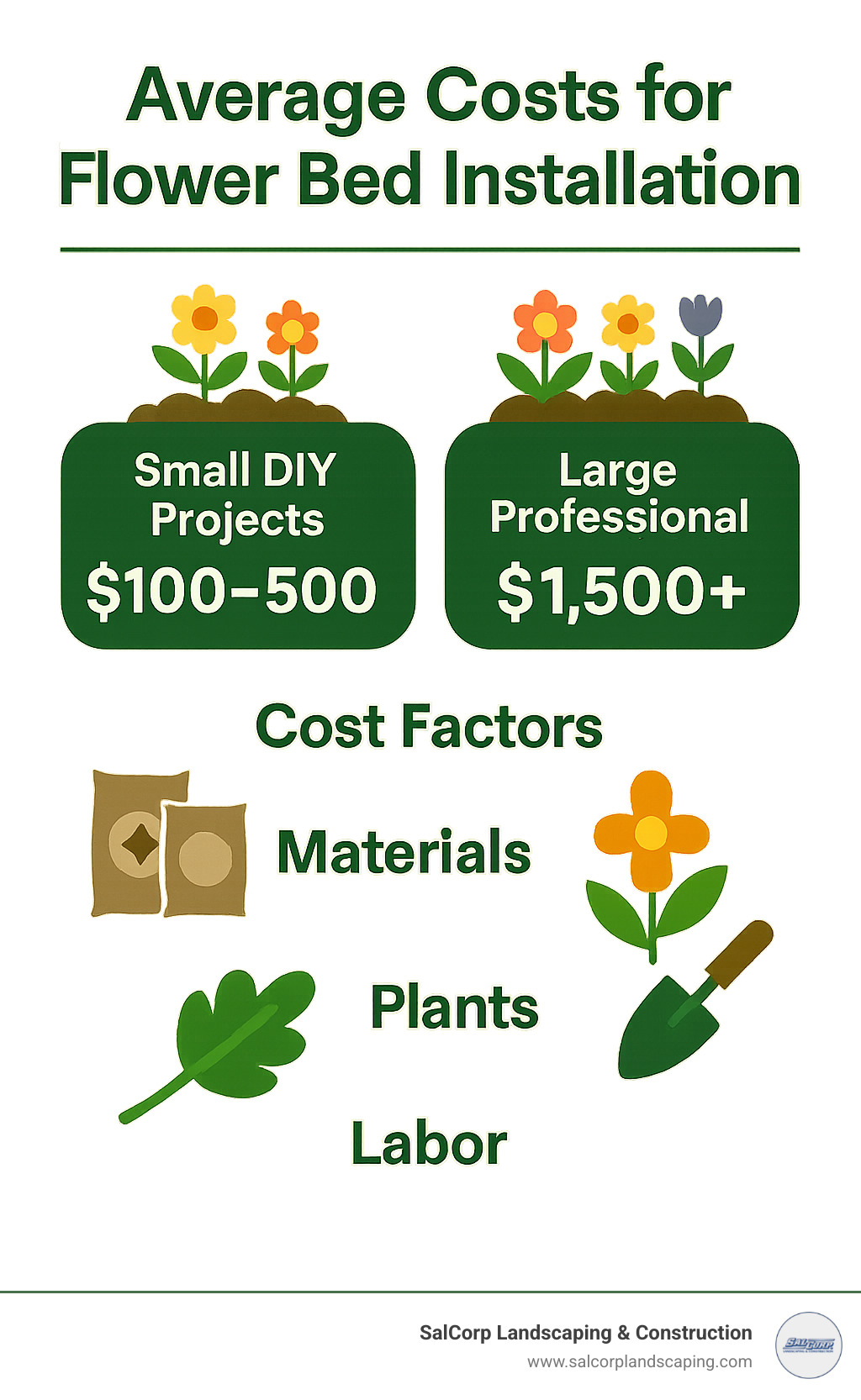
The benefits go beyond aesthetics. Properly installed flower beds can increase property values and create habitats for butterflies and other essential pollinators. Most DIY projects cost between $100-500, though larger or more complex installations can be significantly higher.
As Sal Musto, owner of SalCorp Landscaping & Construction, I’ve helped countless Massachusetts homeowners and commercial property managers improve their outdoor spaces through professional flower bed installation. With over two decades of experience, I know what it takes to create beautiful, long-lasting garden beds that thrive in our New England climate.
Flower bed installation helpful reading:
Step 1: Planning Your Perfect Flower Bed
The secret to successful flower bed installation lies in the planning phase. Spending time upfront to plan properly saves countless hours of frustration later. Think of it like building a house—you need blueprints, and your flower bed deserves the same thoughtful approach.
Great flower bed planning involves three key decisions: finding the perfect spot, designing a shape that works with your lifestyle, and choosing plants that will thrive in our New England climate.
Choosing the Best Location
Sunlight is your garden’s best friend. Most flowering plants need 6–8 hours of direct sunlight daily to bloom their best. Spend a day observing how sunlight moves across your property. Full-sun areas get at least six hours of direct light, while partial shade spots receive 3–6 hours. This observation will guide your plant selection.
Water access is crucial. Choose a location within easy reach of your water source to make watering easier, or consider our Landscaping Irrigation services for larger installations. Your future self will thank you during hot July weeks.
Avoid areas with heavy tree roots, as they compete for water and nutrients, stunting flower growth. Similarly, stay away from spots where water pools after rain. Most flowers prefer well-drained soil, and our Yard Drainage Solutions can help if drainage is an issue.
A practical tip: avoid planting near driveways where winter salt spray can damage plants. Also, consider foot-traffic patterns to protect your new bed from becoming a shortcut.
Designing the Shape and Size
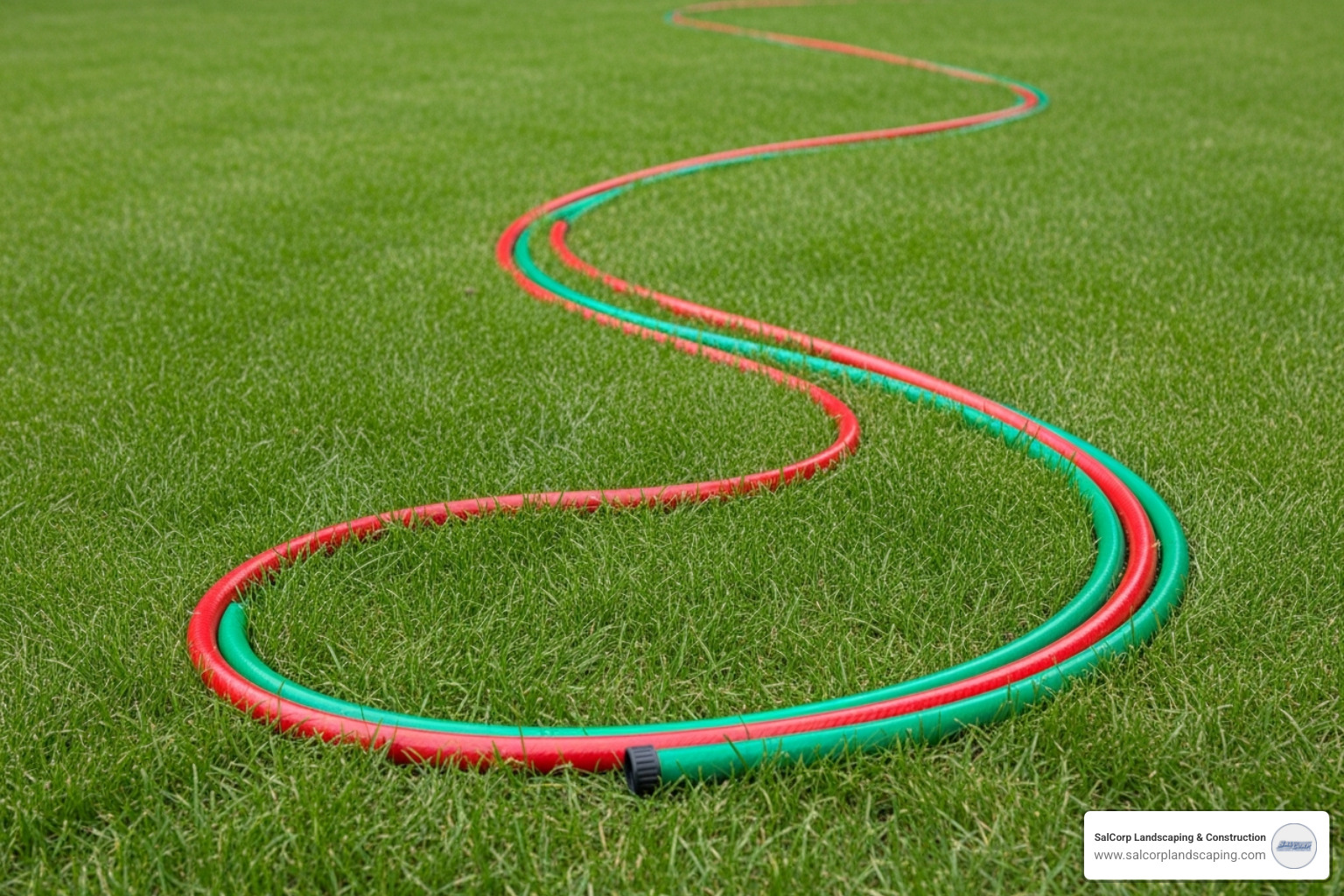
Now for the fun part—designing your flower bed’s shape and size. Using a garden hose is a great trick to outline curved beds. You can adjust the curves until they look just right. For more geometric designs, spray paint works perfectly for marking straight lines.
Curved lines create a natural, welcoming look. However, keep your curves gentle and flowing, as extremely wavy borders make mowing difficult.
Formal versus informal design depends on your home’s architecture. Colonial and Victorian homes often look stunning with geometric flower beds, while ranch and contemporary homes shine with flowing, organic shapes. The key is enhancing your home’s natural beauty.
Start small if you’re new to gardening. A bed that’s 5–6 feet deep and 10–12 feet long provides plenty of space without becoming overwhelming. You can always expand later.
For sloped areas, consider a Garden Retaining Wall to create level planting areas and prevent erosion, a common problem in Massachusetts.
Selecting the Right Plants
Plant selection is where your dreams become reality. Massachusetts sits in USDA Hardiness Zones 5–7 (check your zone on the USDA Plant Hardiness Zone Map), so we need plants tough enough to survive winter temperatures that can drop to –20 °F.
Perennials versus annuals is a foundational choice. Perennials like daylilies and hostas return year after year, providing structure and reliable color. Annuals like marigolds and petunias need replanting each year but offer continuous blooms from spring until frost.
Mature plant size is crucial. Research each plant’s mature dimensions and space accordingly to avoid overcrowding and save money on replacing plants later.
Layering plants by height creates depth and ensures all plants get sunlight. Place tall plants in back, medium-height plants in the middle, and short plants in front for a professional look.
Bloom times matter for continuous color. Select plants that flower at different times—spring bulbs, summer perennials, and fall-blooming asters—for beauty from April through October.
Native plants like New England asters and bee balm are perfectly adapted to our climate. They need less water, attract pollinators, and create an authentic New England look.
Professional landscape design considers all these factors. If you’d like help, our Landscape Design Services team can create a custom plan for your property.
Step 2: Preparing the Ground for Planting
Here’s where the real work begins, and it’s the part that separates successful flower bed installation from gardens that struggle. Proper ground preparation is worth the effort. Think of it as building the foundation for your home—a step you shouldn’t skip.
Most homeowners can expect to invest between $100-500 for a typical flower bed project, though larger or more complex installations can range up to $1,500 or more. These are industry averages based on internet data, not quotes from SalCorp Landscaping; your actual costs will depend on your specific project.
How to Remove Existing Grass and Weeds
Removing existing grass can feel daunting, but you have three solid options for your flower bed installation, depending on your timeline and energy.
Manual digging is the fastest but most physical method. Use a half-moon edger to cut clean lines around your bed’s perimeter. Cut straight down, then at a 45-degree angle to create a trench that prevents grass from creeping back in. Remove sod in manageable chunks about 4 inches deep to get all the roots. Watering the ground an hour beforehand will soften hard soil.
Solarization is a low-effort alternative that takes 4-8 weeks. Cover the area with clear plastic sheeting, securing the edges. The sun’s heat cooks the grass and weeds underneath. This method works best during hot summer months.
Smothering or sheet mulching takes several months but improves your soil. Cover the area with 5-6 sheets of newspaper or cardboard, then add 2-3 inches of compost on top. This builds excellent soil with minimal physical effort.
For most homeowners, manual digging is the most practical choice for quick results. However, smothering is superior if you’re planning for next season.
How to Prepare and Amend the Soil
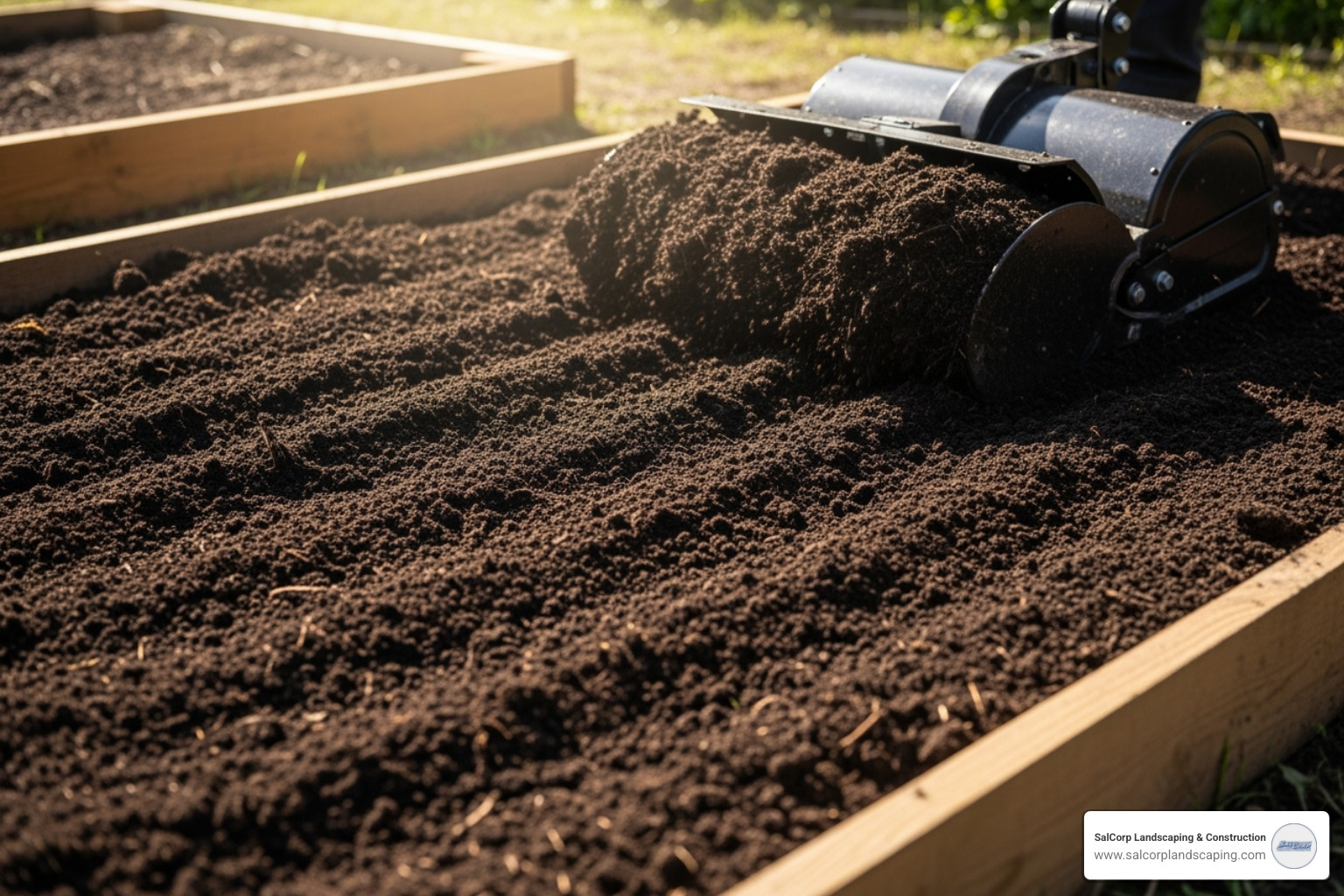
Once the grass is gone, it’s time to create the perfect growing environment. Tilling depth should reach 8-12 inches to give roots room to establish and to improve drainage. A small electric tiller can save time, though hand digging offers more control.
Soil testing is simple. A low-cost pH meter from a garden center can tell you if your soil is acidic, neutral, or alkaline. Most flowers prefer a pH between 6.0-7.0, so this helps you determine if amendments are needed.
Here in Massachusetts, our soils often need organic matter. Adding 2-3 inches of compost, well-aged manure, or leaf mold makes a dramatic difference. This improves drainage in clay soil and helps sandy soil retain moisture. Avoid fresh manure, which can burn plant roots.
Compost provides better long-term soil structure than peat moss. Mix amendments thoroughly into your existing soil rather than just layering them on top. This encourages deep, healthy root growth.
A garden soil calculator can help you determine the right quantities of soil and amendments for your bed size, preventing over-buying.
The Complete Guide to Flower Bed Installation
Now comes the moment you’ve been waiting for – the actual flower bed installation! This is where all your planning and preparation pays off as you transform that patch of prepared soil into a beautiful garden. After years of helping Massachusetts homeowners create stunning flower beds, I can tell you that taking your time during this phase makes all the difference between a garden that thrives and one that struggles.
The installation process connects directly to what we call Soft Landscape Construction, which focuses on the living elements of your landscape design. Unlike hardscaping with stone and concrete, soft landscaping requires understanding how plants interact with their environment and each other.
Step-by-Step DIY Flower Bed Installation
Before you start digging, gather your essential tools: a shovel and spade for digging, a half-moon edger for clean lines, a hand tiller for soil work, your trusty garden hose, a wheelbarrow for hauling materials, quality gardening gloves to protect your hands, and hand pruners for any root trimming.
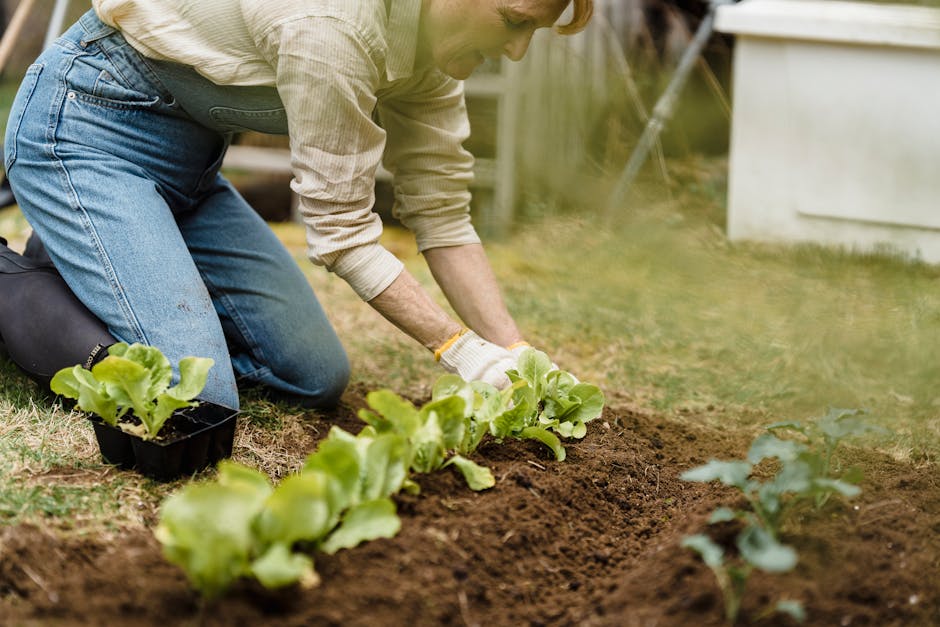
Start by arranging your plants while they’re still in their nursery containers. This step saves you from making costly mistakes once plants are in the ground. Think of it as a dress rehearsal – you can move plants around easily and see how the colors, textures, and sizes work together. Arrange plants by height with taller specimens toward the back and shorter ones in front, but nature isn’t perfectly organized, so some variation creates visual interest.
When you’re happy with your arrangement, begin digging holes that are the same depth as each plant’s root ball but twice as wide. This gives roots room to spread horizontally, which is how most plants establish themselves. Here’s a trick we’ve learned over the years: if you encounter circling roots when you remove the plant from its pot, tease the roots apart gently with your fingers. Those circling roots won’t straighten out on their own and can actually strangle the plant as it grows.
Plant at the correct depth – this is crucial and where many DIY installations go wrong. The top of the root ball should sit level with your prepared soil surface. Planting too deep can cause the stem to rot, while planting too shallow leaves roots exposed to drying out. Backfill with your amended soil and tamp gently to eliminate air pockets without compacting the soil too much.
Consider installing landscape edging to give your bed those crisp, professional lines that make all the difference in curb appeal. Our detailed guide on Installing Landscape Edging walks you through various edging options and installation techniques. If you’re planning additional landscape features, our Hardscaping Services can help integrate your flower bed with walkways, patios, and other elements for a cohesive design.
Applying Mulch and Watering In
Mulching might seem like just a finishing touch, but it’s actually one of the most important steps in your flower bed installation. Good mulch provides moisture retention so you won’t need to water as frequently, weed suppression that saves you hours of maintenance, and temperature regulation that protects plant roots from temperature extremes.
Apply 2-3 inches of mulch around your plants, but here’s the key detail many people miss: keep mulch away from plant stems by at least 2-3 inches. Mulch touching stems creates a perfect environment for disease and pest problems. Think of it as giving each plant a little breathing room.
Our Bulk Mulch Delivery service can save you multiple trips to the garden center while ensuring you get consistent, high-quality mulch throughout your landscape. Nothing looks worse than a patchwork of different mulch colors and textures.
After mulching, water deeply to settle everything in place. The best time to water is early morning, which allows plants to absorb moisture before the day’s heat and reduces the risk of fungal diseases that can develop when plants stay wet overnight. This initial watering is critical – even if rain is in the forecast, your newly planted flowers need this immediate moisture to overcome transplant shock and begin establishing their root systems.
The ‘Sheet Mulching’ Method: An Easy Alternative
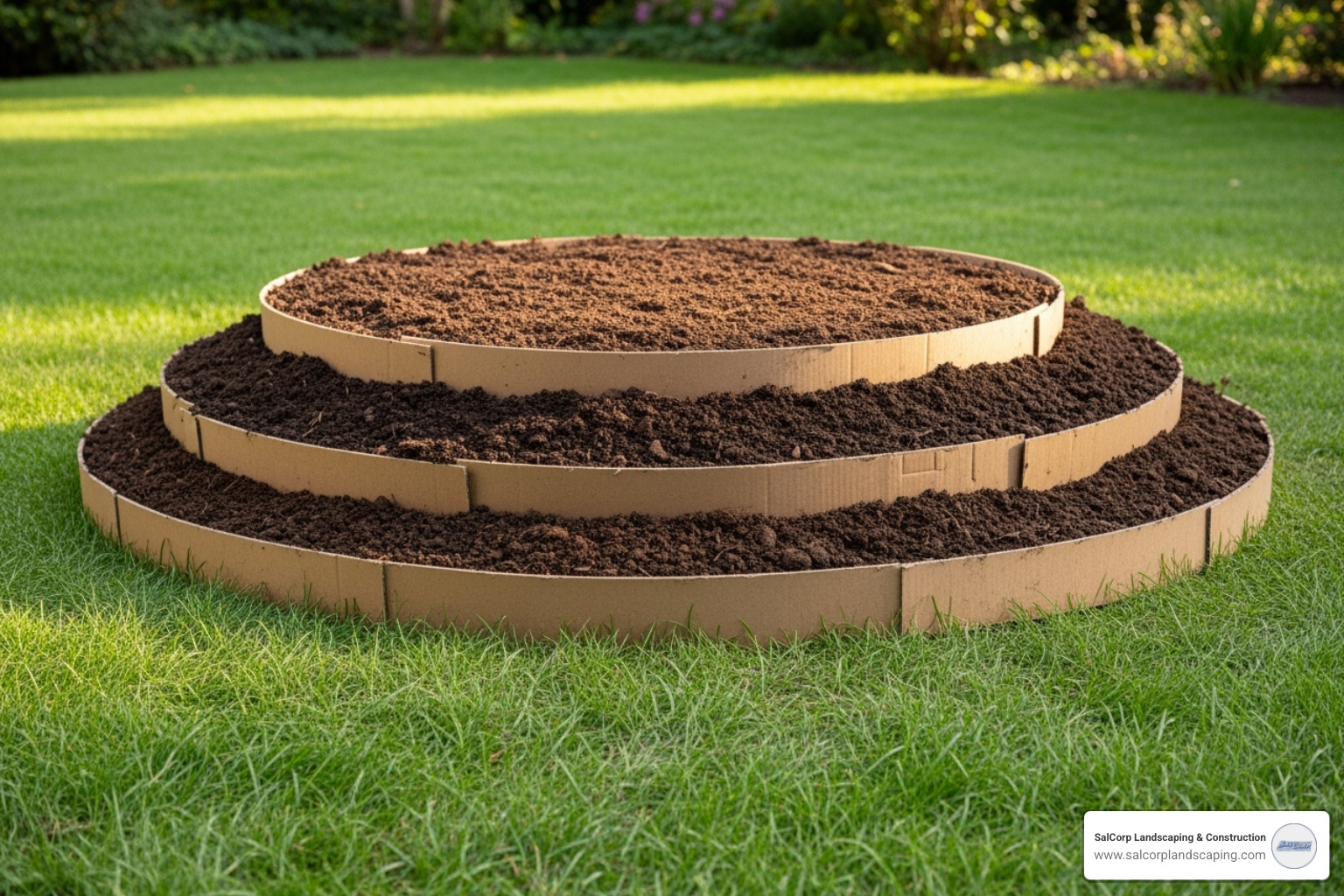
If the thought of digging up grass and wrestling with stubborn sod makes your back ache just thinking about it, sheet mulching might be your new best friend. This gentler approach to flower bed installation lets you build beautiful gardens without the physical punishment of traditional methods.
I’ve watched countless homeowners transform their yards using this technique, and the results are consistently impressive. Sheet mulching, sometimes called “lasagna gardening” (because of all the layers), creates thriving flower beds while actually improving your soil health over time.
Advantages of a Sheet Mulching Flower Bed
The beauty of sheet mulching lies in what it doesn’t destroy. Traditional digging disrupts the incredible underground network of beneficial soil bacteria and fungi that plants depend on. These tiny helpers take years to rebuild once disturbed, but sheet mulching preserves them completely.
Drainage improvement happens naturally with this method. The layered organic materials create perfect air pockets that let water soak in without creating soggy conditions. If you’re dealing with Massachusetts clay soil (and who isn’t around here?), this drainage boost can be a game-changer for your plants.
Let’s be honest – the reduced physical labor is probably what draws most people to this method. No more spending weekends hunched over a shovel, cursing at stubborn grass roots. Sheet mulching makes flower bed installation accessible to gardeners who might otherwise hire help or skip the project entirely.
The method works particularly well for areas with poor native soil. Instead of trying to improve what’s already there, you’re essentially building a brand new growing environment right on top. It’s like giving your plants a fresh start with premium real estate.
Over time, you’ll notice fewer weeds compared to traditionally prepared beds. The cardboard barrier stops most weeds from pushing through, while the thick mulch layer smothers any that try to sneak in from above.
How to Create a Mounded or Sheet Mulched Bed
Start by mowing the existing grass as short as your mower will go. Don’t bag those clippings – they’ll add valuable organic matter to your new bed. Think of them as the first layer of your garden lasagna.
Next comes the cardboard layer. Lay cardboard or kraft paper over your entire bed area, overlapping each piece by several inches. Any gaps are invitations for grass to poke through later, so be thorough. Yard staples work perfectly to hold everything in place while you work.
Now for the fun part – building your growing medium. Layer compost and garden soil over the cardboard, alternating between the two if you have enough materials. You want to build up at least 6 inches of depth, though more is better. The finished bed should have a gentle mound shape with sloping sides to prevent erosion.
Here’s the surprising part – you can plant immediately into your new bed. Just dig through the cardboard when making planting holes. It might feel strange at first, but that cardboard will decompose quickly once it gets wet, and it actually helps retain moisture around new plantings while they establish.
This method works beautifully for our Backyard Landscaping projects, especially when homeowners want to add garden areas without major disruption to their existing landscape.
The surface mulching comes last – apply your regular mulch just like you would with any other flower bed. The result is a raised, well-draining garden that looks professionally installed and will only get better with time.
Ongoing Care and Maintenance
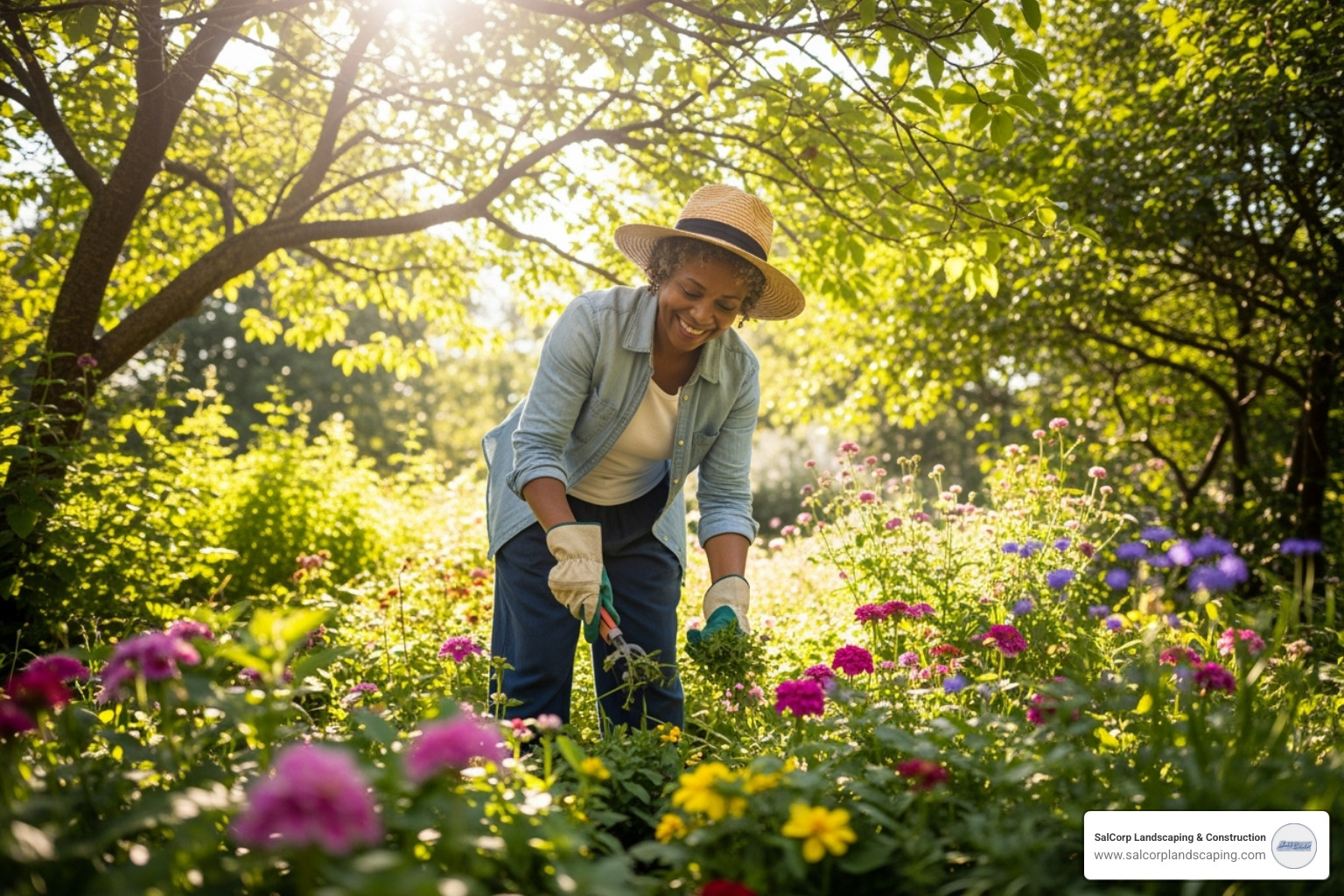
Your flower bed installation is complete, but the work isn’t over. Proper maintenance ensures your investment continues to provide beauty and value for years to come. We’ve developed maintenance schedules that keep flower beds healthy with minimal effort, and following these guidelines will help your garden thrive.
Keeping Your New Flower Bed Installation Healthy
Watering Schedule: Newly planted flowers need consistent moisture for the first 6-8 weeks while they establish. Water deeply 2-3 times per week rather than light daily watering. This encourages deep root growth and creates more drought-tolerant plants. Once established, most perennials need about 1 inch of water per week, including rainfall.
Weeding Strategies: The first year requires the most weeding attention. Pull weeds when they’re small and the soil is moist – they come out more easily and completely. Maintain your mulch layer to suppress new weed growth. Annual weeds are easier to control than perennial weeds, so address problems quickly before they spread.
Deadheading and Pruning: Remove spent flowers regularly to encourage continued blooming and prevent unwanted self-seeding. Most perennials benefit from cutting back by one-third in late fall, though ornamental grasses and plants with attractive seed heads can be left for winter interest.
Fertilizing Schedule: Organic compost applied each spring provides most of the nutrients flowers need. For heavy feeders like roses or annual flowers, supplement with a balanced organic fertilizer according to package directions. Avoid over-fertilizing, which can promote excessive foliage growth at the expense of flowers.
Seasonal Tasks: Spring brings soil preparation, new plantings, and mulch renewal. Summer focuses on watering, deadheading, and pest monitoring. Fall is the time for cleanup, dividing overgrown perennials, and preparing beds for winter. Winter in Massachusetts requires little flower bed maintenance, though evergreen boughs can protect marginally hardy plants.
Massachusetts-Specific Considerations: Our freeze-thaw cycles can heave newly planted perennials out of the ground. Check plants in early spring and replant any that have been displaced. Salt spray from winter road treatment can damage plants near driveways and walkways – rinse affected plants with fresh water during spring cleanup.
For commercial properties requiring consistent, professional maintenance, our Commercial Garden Maintenance services ensure your flower beds always look their best throughout the growing season.
Conclusion
Creating a beautiful flower bed installation transforms your property in ways that extend far beyond simple aesthetics. There’s something deeply satisfying about watching plants you’ve carefully selected and installed flourish throughout the seasons. The joy of seeing your first spring bulbs emerge or catching a butterfly visiting your summer blooms creates lasting memories that make all the planning and digging worthwhile.
Well-designed flower beds increase your property value while creating habitat for beneficial pollinators like bees and butterflies. They also provide a creative outlet that connects you with nature and gives you a reason to spend time outdoors. Many of our clients tell us their flower beds have become their favorite outdoor spaces – places where they start their mornings with coffee or unwind after long days.
Flower bed installation doesn’t have to be overwhelming, even for complete beginners. By following the systematic approach we’ve outlined – careful planning, thorough soil preparation, proper planting techniques, and consistent maintenance – you can create gardens that rival professional installations. The key is taking your time with each step and not rushing the process.
Gardening is a learning experience. Even experienced landscapers like our team at SalCorp continue learning and adapting techniques based on results and changing conditions. Don’t be discouraged if everything doesn’t go perfectly the first time – gardens evolve and improve over time. That’s part of their charm.
If the process of flower bed installation seems overwhelming, or you want a guaranteed professional result for your Massachusetts home, the expert team at SalCorp Landscaping & Construction can help. From initial Landscape Design Services to complete installation and ongoing maintenance, we handle every step of the process.
With over 20 years of experience serving communities throughout Massachusetts, we understand the unique challenges and opportunities of gardening in New England. Our owner-operated approach means you work directly with experienced professionals who take pride in every project, not just another crew member who might be here today and gone tomorrow.
Whether you’re looking to improve your home’s curb appeal, create outdoor spaces for relaxation and entertainment, or establish gardens that support local wildlife, we’re here to help bring your vision to life. Contact us today to discuss your flower bed installation project and find how we can transform your outdoor space into something truly special.
For comprehensive landscape improvements, consider our New Lawn Installation services to create the perfect setting for your new flower beds. Together, we can create outdoor spaces that provide beauty, functionality, and lasting value for your property.
