

Irrigation system maintenance schedule: Ultimate 2025 Guide
Why a Regular Maintenance Schedule is Non-Negotiable
An irrigation system maintenance schedule is essential for keeping your sprinklers running efficiently, preventing costly repairs, and ensuring your landscape stays healthy. Without proper upkeep, you risk clogged heads, leaks, and misaligned spray patterns, which waste water and create brown patches. A systematic approach saves money, avoids emergency repairs, and protects your property value.
Essential Maintenance Timeline:
- Spring (March-April): De-winterize system, inspect for damage, test all zones.
- Summer (May-August): Monitor performance monthly, calibrate water output, adjust for heat.
- Fall (September-November): Final inspection, flush lines, professional winterization.
- Winter (December-February): System offline, protect from freeze damage.
Regular maintenance is about protecting your investment and conserving resources. Since outdoor water use accounts for about 30% of household water consumption, efficient irrigation is crucial for your wallet and the environment.
I’m Sal Musto, owner of SalCorp Landscaping & Construction. With over two decades of experience in Massachusetts, I’ve seen that consistent care is the key to a long-lasting, efficient irrigation system.

Irrigation system maintenance schedule vocab to learn:
A well-maintained system is non-negotiable for a healthy landscape. Here’s why regular upkeep is so vital:
Benefits of Regular Irrigation System Maintenance
- Efficient Operation and Plant Health: Maintenance ensures every component functions optimally, delivering the right amount of water exactly where it’s needed. This prevents brown patches from underwatering and root rot from overwatering, promoting deeper root growth for a more resilient lawn.
- Water Conservation: An efficient system directs water to your landscape, not sidewalks or driveways. Fixing even minor leaks can save hundreds of gallons monthly, contributing to conservation efforts and reducing waste. Efficient fixtures can cut water use by 20 percent or more.
- Cost Savings: Water conservation directly lowers your utility bills. Proactively addressing small issues also prevents them from becoming major, expensive repairs, saving you money on both water and maintenance in the long run.
- Damage Prevention and Detection: Regular inspections catch minor problems like hidden leaks, broken heads, or clogged nozzles before they cause significant damage or affect your landscape’s health.
- Consistent Property Value: A properly working irrigation system prevents patchy lawns and stressed plants, ensuring your landscape remains lush and vibrant. This consistent curb appeal contributes positively to your property’s overall value.
The Ultimate Irrigation System Maintenance Schedule
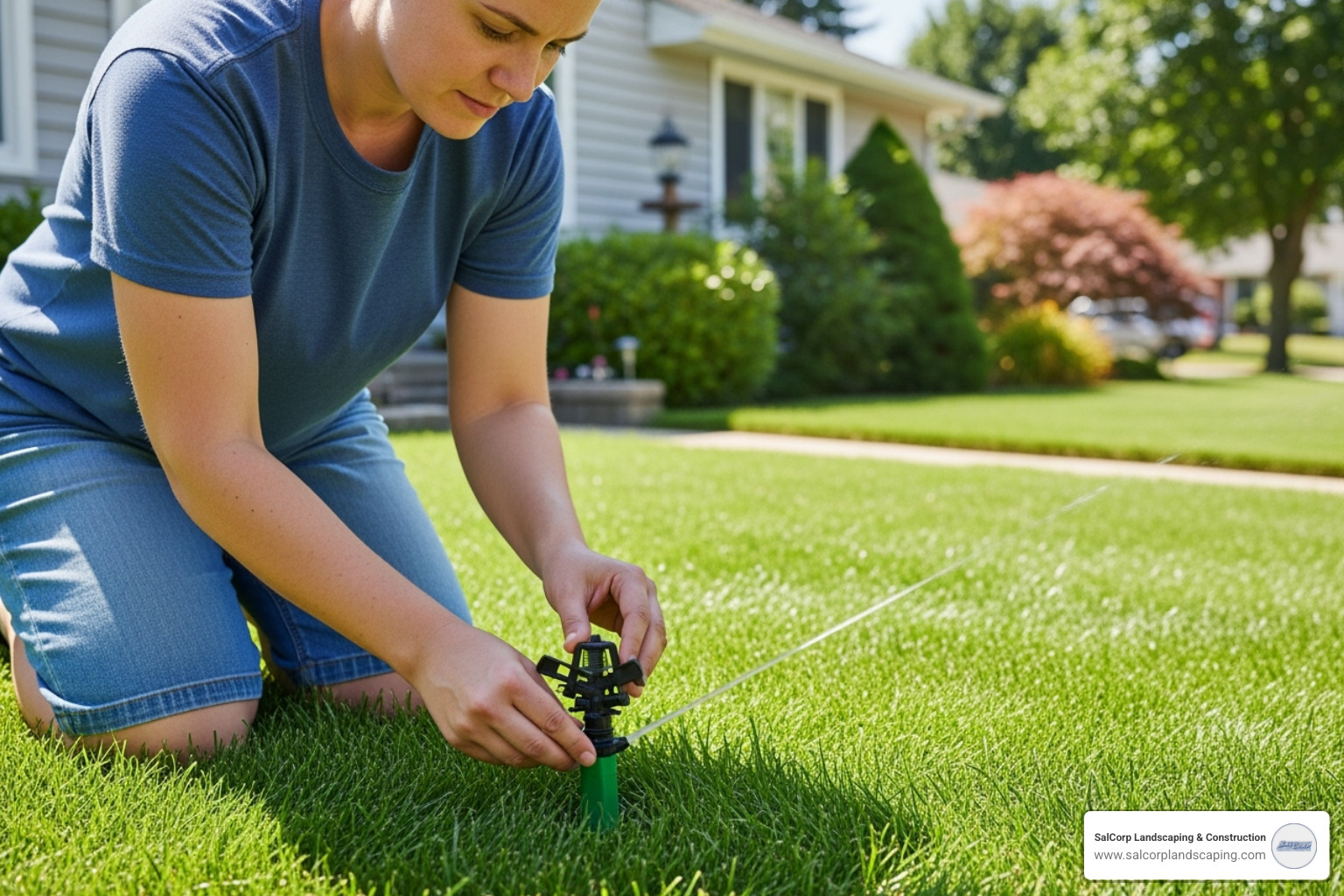
An effective irrigation system maintenance schedule requires consistency and an understanding of your system’s parts. Key components include the controller (the brain), pipes, valves, sprinkler heads, and the crucial backflow preventer, which protects your drinking water. Many systems also have drip lines for targeted watering and sensors for automatic adjustments. Proper water pressure and voltage are also vital for correct operation. Understanding these parts helps you know what to look for each season.
Spring Startup: De-Winterizing and Initial Checks
After a long Massachusetts winter, your system needs a careful startup to check for damage.
- Turn on Water Slowly: Open the main valve gradually to prevent “water hammer,” which can damage pipes and fittings. Listen for any sounds of rushing water that could indicate a major leak.
- Inspect for Damage: Walk your property and look for cracked sprinkler heads or soggy areas that might signal underground leaks caused by frost.
- Check and Clean Heads: Manually run each zone. Check that heads pop up fully and spray correctly. Clean out any dirt or debris from clogged nozzles with a small brush.
- Adjust Spray Patterns: Ensure water is hitting your lawn and garden beds, not the sidewalk or driveway. Misaligned heads waste water and create dry spots.
- Test Each Zone: Systematically check each zone for weak pressure or uneven coverage, which could indicate leaks or blockages.
- Update Controller and Sensors: Set the correct date and time on your controller, replace the backup battery, and adjust the schedule for cooler spring weather. Make sure your rain sensor is clean and functional.
- Verify Backflow Preventer: Ensure all valves on the backflow preventer are open and it’s operating correctly. Some municipalities require annual professional testing.
For detailed guidance on system installation, check out our comprehensive guide: More info about installing an automatic sprinkler system.
Summer Monitoring & The ‘Tuna Can Test’ Calibration
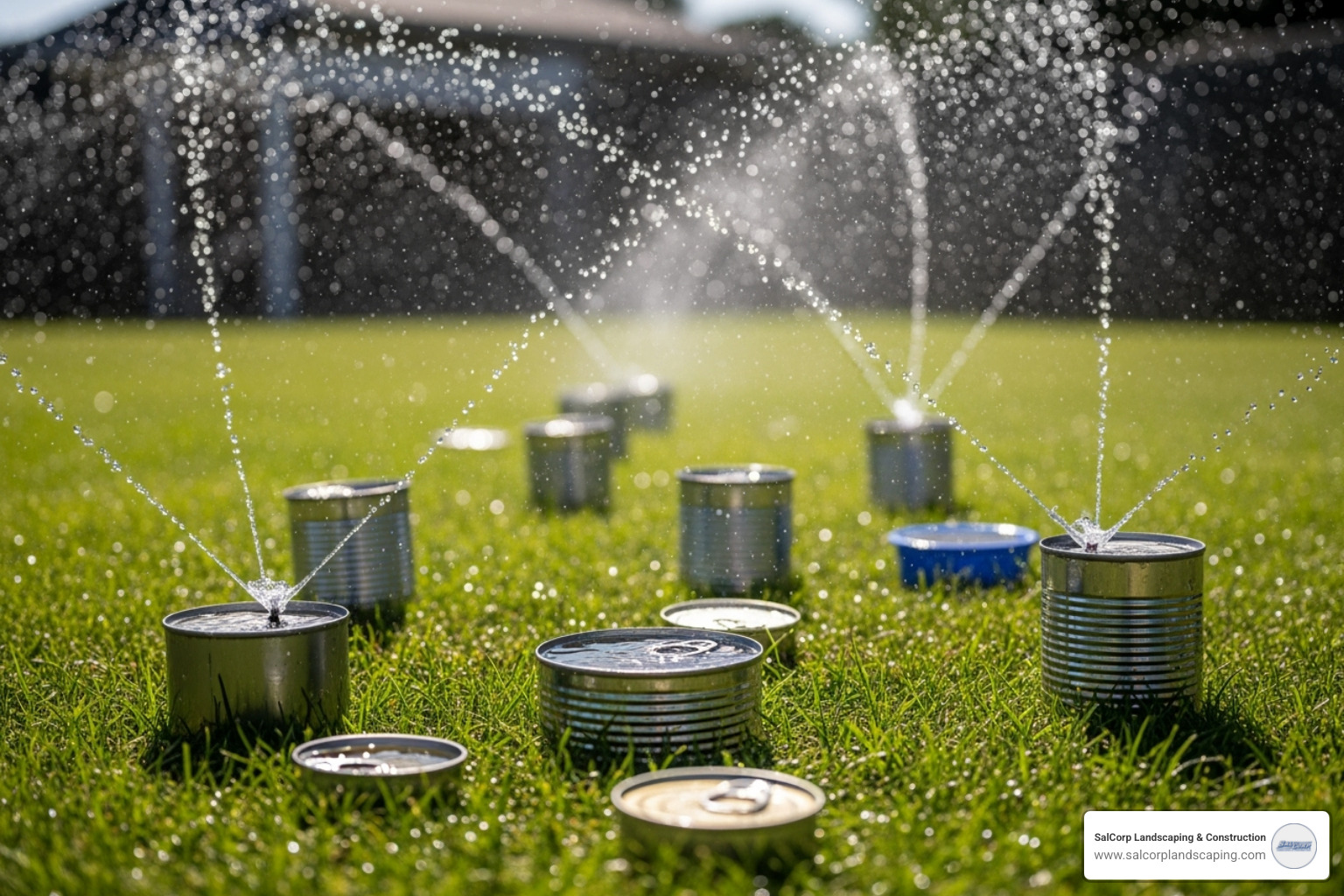
During peak watering season, your system needs to perform flawlessly. Weekly walks to check for dry spots or puddles are essential. As temperatures rise, adjust your watering schedule. Water deeply and infrequently in the early morning (before 10 AM) to minimize evaporation and reduce disease risk.
To ensure you’re not over- or under-watering, perform the “tuna can test” to calibrate your system:
- Place several flat-bottomed cans randomly throughout a single irrigation zone.
- Run that zone for exactly 15 minutes.
- Measure the water depth in each can and calculate the average.
- Multiply the average depth by four to find your hourly application rate (e.g., an average of 0.25 inches means 1 inch per hour).
Most lawns need about 1 inch of water per week, but this varies by soil type. Sandy soil needs shorter, more frequent watering, while clay soil absorbs water slowly and benefits from longer, gentler cycles. How soil type affects watering.
For homeowners in Natick dealing with specific local soil conditions, we provide custom solutions: More info about lawn sprinkler systems in Natick, MA.
Fall Shutdown & Your Winterization Irrigation System Maintenance Schedule
Winterization is the most critical task in your irrigation system maintenance schedule to prevent costly freeze damage in Massachusetts.
- Reduce Watering: As temperatures cool, gradually decrease watering frequency.
- Flush the System: Run each zone to clear out accumulated debris from the lines.
- Shut Off Water Supply: Turn off the main water valve to the irrigation system.
- Remove All Water: This is the most crucial step. While some systems have drain valves, the most effective method for our climate is a professional compressed air blowout. Using a standard home compressor can damage your system; professional equipment uses high-volume, low-pressure air to safely clear every drop of water from pipes, valves, and heads.
- Protect Components: Insulate any exposed parts like the backflow preventer and above-ground pipes with foam covers.
- Turn Off Controller: Set your controller to “off” or “rain” mode to prevent it from running during the winter.
Proper winterization is not a step to skip. For professional winterization services in the Walpole area, visit: More info about irrigation systems in Walpole, MA.
Pro Tips: Maximizing Efficiency and Avoiding Mistakes
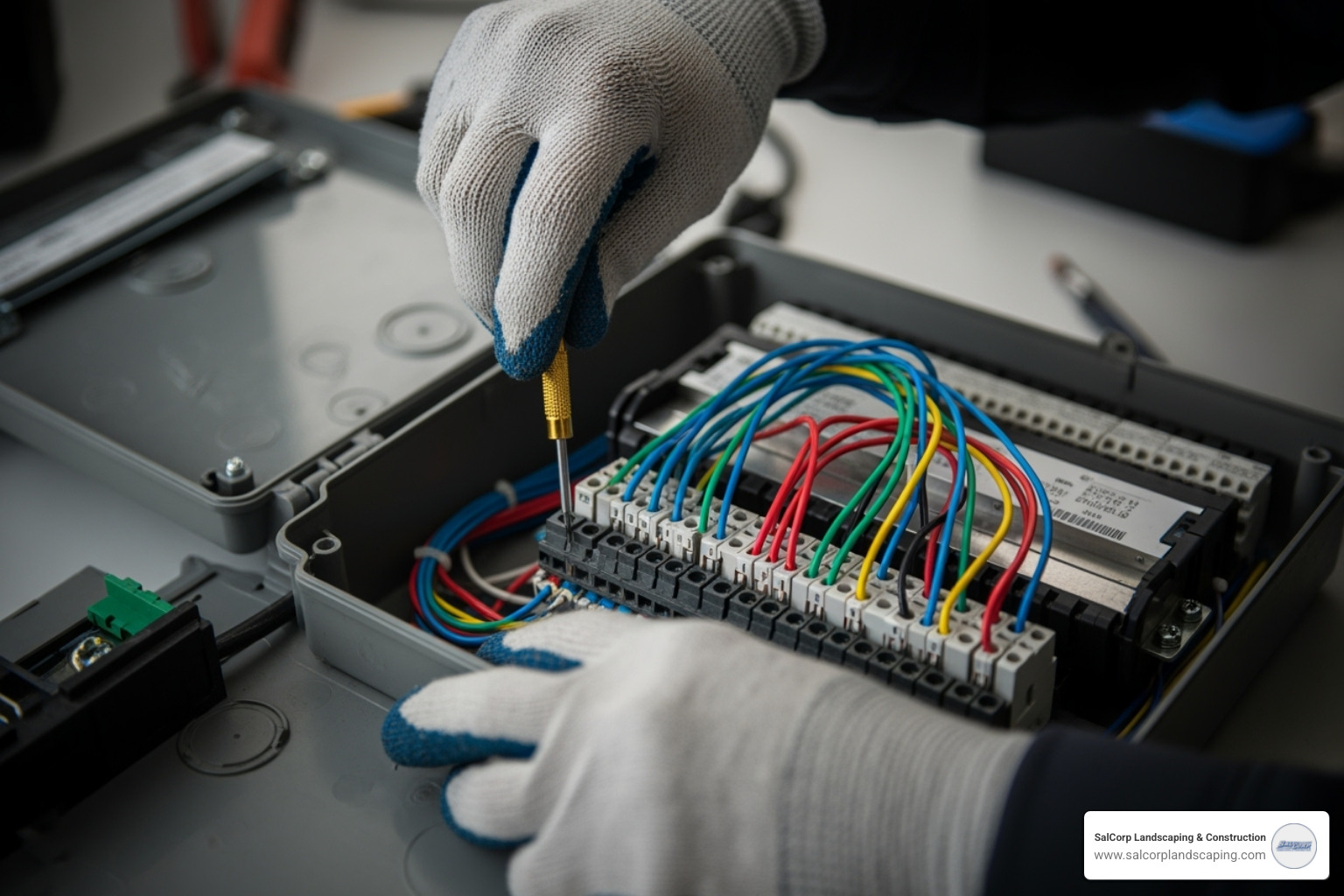
A great irrigation system maintenance schedule goes beyond seasonal tasks. It involves smart upgrades and knowing when to call an expert. Consider these upgrades to boost efficiency:
- Smart Controllers: Automatically adjust watering based on local weather data, saving water and money.
- High-Efficiency Nozzles: Provide more uniform water distribution, eliminating dry patches and reducing waste.
- Drip Irrigation: Delivers water directly to plant roots, making it ideal for garden beds and shrubs.
DIY Maintenance vs. When to Call an Expert
Many maintenance tasks are perfect for homeowners, while others require professional expertise.
- Good DIY Tasks: Regular visual inspections for leaks, cleaning sprinkler heads, adjusting your controller for seasonal changes, and performing the “tuna can test.”
- When to Call a Pro: For winterization blowouts, which require specialized high-volume air compressors. Also call for complex electrical issues, major leak repairs, backflow preventer testing (often required by law), and system design or upgrades.
For help finding qualified professionals, check out our guide: Find an underground sprinkler company near you.
Common Homeowner Mistakes and How to Avoid Them
Avoid these common and costly mistakes:
- Ignoring Small Leaks: A small drip can waste hundreds of gallons per month. Fix leaks immediately.
- Overwatering: Leads to shallow roots and fungal disease. Water deeply and infrequently.
- Watering at Midday: Much of the water evaporates before reaching the soil. Water in the early morning.
- Forgetting Seasonal Adjustments: Your lawn’s water needs change from spring to summer. Adjust your controller accordingly.
- Using Mismatched Parts: Always replace broken heads with parts that have the same spray pattern and precipitation rate to ensure even coverage.
- Improper DIY Winterization: In Massachusetts, this is a primary cause of burst pipes and expensive spring repairs.
Why a Professional Maintenance Plan Pays Off
While DIY is encouraged, partnering with a professional offers significant value. At SalCorp Landscaping & Construction, our owner-operated expertise means we bring professional-grade tools and two decades of experience to every job. We perform comprehensive water efficiency audits, detect problems early before they become costly, and save you time.
Most importantly, a professional maintenance plan prevents expensive emergency repairs, especially from freeze damage. Our comprehensive approach ensures your irrigation system maintenance schedule keeps your landscape healthy while conserving water and protecting your investment.
Learn more about our complete irrigation services: Learn more about our irrigation and sprinkler system services. For Boston-area properties specifically, visit: More info about irrigation systems in Boston, MA.
