

Paver Patio Installation in Massachusetts
Custom paver patios built to last through New England winters. From design and excavation to the final polymeric sand sweep, our crews handle every step with the precision a properly engineered base demands.
Get Your Free Estimate
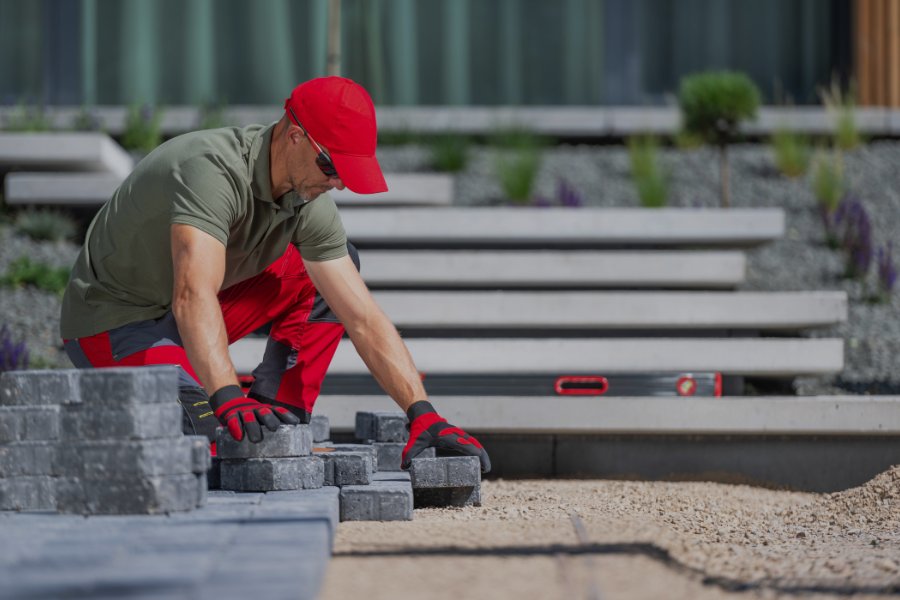


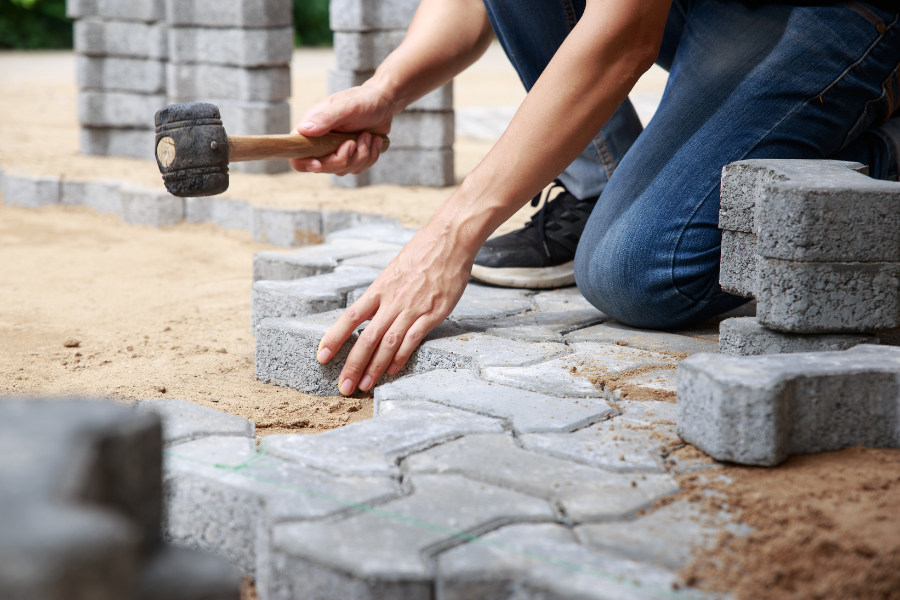
Paver Patios Built for Massachusetts Backyards
A paver patio is one of the highest-return improvements you can make to a Massachusetts property — but only if it's installed correctly. The difference between a patio that looks the same in twenty years and one that's heaved, separated, and weed-choked after two winters comes down almost entirely to what happens beneath the pavers. At SalCorp Landscaping & Construction, we've been installing paver patios across Norfolk and Plymouth counties for over twenty years, and we build every project on the principle that the base — not the surface — is the patio.
Our Paver Patio Installation Process
Every paver patio we install follows the same structural sequence. The order and the details matter — skip a step and the patio fails years sooner than it should.
Design & Layout
We start by walking your property with you to discuss how the space will be used, then mark the patio footprint with white marking paint. White is intentional — colored paint can interfere with utility locates. Before any digging, we call 811 to identify underground utilities.
Setting Grade
We use stakes and string lines to set the finished grade, ensuring the patio slopes 1/4 inch per foot away from the house. Proper slope is non-negotiable — it's what keeps water from pooling on the surface or, worse, running back toward your foundation.
Excavation
For a pedestrian patio, we excavate 7-9 inches below finished grade. Driveways and patios that will see vehicle traffic require 9-13 inches. The depth accommodates the gravel base, sand bedding, and paver thickness. We do not backfill divots with dirt — only with gravel that gets hand-tamped before fabric goes down.
Geotextile Fabric
Landscape fabric is laid across the excavated soil before any gravel goes in. This is a step that DIY installs frequently skip — and one of the most common reasons we get called to repair patios after a few years. The fabric prevents soil from migrating up into the gravel, which causes settling and instability.
Gravel Base & Compaction
We lay 4-6 inches of 3/4-inch minus crushed gravel for pedestrian patios. Critically, we compact in 2-inch lifts — meaning the gravel is added 2 inches at a time and compacted with a plate compactor before the next lift is added. This is what gives the base its strength.
Sand Bedding
One inch of concrete sand is screeded perfectly flat across the compacted gravel using guide rails. We use concrete sand, not mason's sand or play sand — the angular grains lock together where rounder grains shift. Once screeded, we do not walk on the sand bed before pavers go down.
Laying the Pavers
Pavers are placed using the click-and-drop method, working from a corner outward. Each paver is set against its neighbor and dropped into the sand to maintain consistent joints. A rubber mallet is used to seat each one. Cuts at the edges are made with a wet saw for clean, sharp lines.
Edge Restraints
Plastic or steel edge restraints are installed around the perimeter and secured with 10-inch steel spikes, typically 4-5 per 8-foot section. Without edge restraints, pavers will inevitably spread, joints will widen, and the patio will fail at the perimeter first. This step is not optional.
Polymeric Sand & Final Compaction
Polymeric sand is swept into every joint, then the plate compactor is run over the pavers to vibrate the sand fully into place. Excess is swept off and the patio is misted with water to activate the polymeric binder. Once cured, this sand acts like grout — locking the pavers together while resisting weeds and erosion.
Choosing the Right Paver Material
Different pavers serve different purposes. The right choice depends on how you'll use the space, the architectural style of your home, and how much variation in color and texture you want.
Concrete Pavers
Manufactured to exact tolerances in a wide range of colors, sizes, and patterns. The most popular choice for residential patios because of the design flexibility and consistent installation. Modern concrete pavers carry long manufacturer warranties and handle freeze-thaw cycles well.
Best for: most residential patiosBrick Pavers
Clay-fired brick has a classic New England look that's particularly well-suited to colonial, federal, and traditional homes. The color is integral to the material and won't fade. Holds up exceptionally well over decades — many of Boston's historic brick walkways are over a century old.
Best for: traditional & historic homesNatural Stone Pavers
Bluestone, granite, and travertine deliver authentic stone character that manufactured pavers can approximate but never duplicate. Each piece is unique. Premium pricing reflects the material itself and the additional installation skill required for irregular shapes and thicknesses.
Best for: high-visibility entriesPermeable Pavers
Engineered with wider joints filled with stone aggregate, permeable pavers let water drain directly through the surface into the ground below. A strong choice for properties with drainage challenges, lots with strict stormwater requirements, or homeowners prioritizing environmental impact.
Best for: drainage-sensitive sitesTravertine
A natural limestone with a softer, more luxurious appearance than concrete or granite. Stays noticeably cooler underfoot in summer than other pavers — making it a favorite around pools. Requires sealing to resist staining in high-use areas.
Best for: pool surroundsCobblestone
Reclaimed or new-cut granite cobbles deliver old-world character that ages beautifully. Traditionally used for driveways, accent borders, and edging around larger paver fields. Works exceptionally well combined with other pavers as a transition or feature element.
Best for: accents & drivewaysCommon Paver Patio Mistakes
Most paver patio failures trace back to the same small handful of shortcuts. Knowing what to watch for is half of choosing the right contractor.
Inadequate base depth
Less than 4 inches of compacted gravel for a patio (or less than 6-10 inches for driveway-rated surfaces) is the single most common cause of premature failure.
Skipping compaction in lifts
Compacting all the gravel at once instead of in 2-inch lifts leaves the lower layers under-compacted. The patio looks fine for a year, then starts to settle.
No geotextile fabric
Without fabric between soil and gravel, dirt migrates up into the base over time. The base loses its structural integrity and the patio settles unevenly.
Wrong sand
Mason's sand and play sand don't lock together the way concrete sand does. The wrong bedding sand shifts under load, leading to wobbly pavers.
No edge restraints
Without edge restraints, the perimeter pavers slowly creep outward. Joints widen, weeds invade, and the entire patio progressively unravels from the edges in.
Slope toward the house
This one is serious. A patio that drains toward the foundation directs every rainstorm into the basement. Slope is 1/4 inch per foot, always away from structures.
Skipping polymeric sand
Regular sand washes out of the joints with the first heavy rain. Polymeric sand binds when wet, sealing the joints and preventing weed growth for years.
Pavers on dirt
Pavers laid directly on soil — even compacted soil — will settle, heave, and separate within a single Massachusetts winter. There is no shortcut for a proper gravel base.
Built on Two Decades of Hardscape Experience
20+
Years installing patios
across Massachusetts
In-house
Owner-supervised crews,
no subcontractors
Licensed
Fully insured &
workmanship guaranteed
Local
Norfolk County based
since 2004
Paver Patio Installation FAQs
How do you prepare the ground before laying pavers?
Ground preparation is the most important step in paver patio installation. We start by marking the patio shape with paint, then check for underground utilities by calling 811. The area is excavated 7-9 inches deep for a pedestrian patio (deeper for driveways), to allow for 4-6 inches of compacted gravel base, 1 inch of sand bedding, and the thickness of the paver itself. Landscape fabric (geotextile) is then laid over the compacted soil to prevent the gravel from sinking into the dirt over time. Proper preparation also includes setting grade so the finished patio slopes 1/4 inch per foot away from the house for drainage.
Can I install a paver patio myself?
It's possible, but the failure rate on DIY paver patios is high. The most common problems we're called to fix are inadequate base depth, skipped compaction, no geotextile fabric, improper slope leading to drainage onto the house, and missing edge restraints. In Massachusetts, getting the frost-line considerations right is critical or the patio will heave and shift after the first winter. A 200-300 square foot patio also typically requires renting a plate compactor, hauling several yards of gravel and sand, and 40-50 hours of physical work. For most homeowners, the time, equipment rental, and risk of having to redo the work outweighs the labor savings.
What are common mistakes to avoid when laying pavers?
The mistakes we see most often: skimping on base depth (less than 4 inches of gravel), failing to compact the gravel in 2-inch lifts, laying pavers directly on dirt or sand without proper base, skipping geotextile fabric, no edge restraints (which causes pavers to spread and separate), sloping the patio toward the house instead of away, using regular sand instead of concrete sand for bedding, and skipping polymeric sand in the joints. Any one of these will shorten the life of a paver patio. Together they guarantee failure within a few seasons.
Can I lay pavers directly on dirt?
No. Pavers laid directly on dirt will sink, shift, and separate within a single season — and in Massachusetts freeze-thaw cycles, much faster than that. Dirt expands when wet, contracts when dry, and heaves when frozen. A proper paver installation requires a compacted gravel base (4-6 inches for patios), a layer of bedding sand, and edge restraints holding everything in place. The gravel base is what gives the patio its strength and stability — pavers are essentially a finished surface laid on top of that foundation.
What happens if I don't put gravel under pavers?
Without a compacted gravel base, a paver patio will fail quickly. The pavers will settle unevenly as the soil compacts naturally, creating dips and trip hazards. Water won't drain properly through the base, so puddles will form on the surface and water will pool beneath the pavers — and in winter, that trapped water freezes and heaves the pavers upward. Joints between pavers will widen as the surface shifts, allowing weeds to grow through. Within 1-3 years a patio without a proper gravel base typically needs to be torn up and reinstalled.
What is the best time of year to install a paver patio in Massachusetts?
Spring through fall — roughly April through November — is the working season for paver installation in Massachusetts. The ground needs to be thawed for excavation, and polymeric sand needs to cure in dry conditions above 32°F. Late spring and early summer are most popular and book up quickly. Fall (September-October) is often the best window for scheduling: the rush has passed, the weather is reliably dry, and your patio is ready for next year's outdoor season. Winter installation is generally not possible in our climate, but it's the right time to schedule design consultations for spring start dates.
How long does a paver patio last?
A professionally installed paver patio in Massachusetts typically lasts 25-50 years with minimal maintenance. The pavers themselves are extremely durable — concrete pavers carry manufacturer warranties of 25+ years against structural failure, and natural stone pavers can last generations. Longevity depends primarily on installation quality: proper base depth, compaction, geotextile, slope, and edge restraints. Unlike poured concrete, which cracks and requires full replacement, individual pavers can be lifted and replaced if damaged — so a paver patio's effective lifespan extends well beyond the original installation.
Do I need a permit for a paver patio in Massachusetts?
Most residential paver patios in Massachusetts do not require a building permit, since they're considered finishing improvements rather than structural construction. However, permits may be required if your project involves significant grading, drainage modifications, retaining walls over 4 feet, work near wetlands or property lines, or impervious surface coverage that exceeds local stormwater thresholds. Some towns and HOAs have their own requirements. We research permitting requirements for your specific town and project before starting work and handle any applications needed.
Ready to Plan Your Paver Patio?
Schedule a free on-site consultation with SalCorp. We'll evaluate your space, talk through material and design options, and provide a detailed estimate — no obligation, no pressure.
Request Your Free Estimate