

Hardscapes Installation: Top 7 Stunning Tips 2024

Hardscapes installation transforms your outdoor space into a durable and aesthetically pleasing environment. It involves the strategic placement of non-living elements like stones, concrete, and wood to improve both function and visual appeal. This process is integral to creating a beautiful, practical outdoor area that’s not only low-maintenance but also increases property value.
- What Is Hardscape? Non-living elements like concrete, bricks, and stones.
- Key Hardscape Principles: Focus on design elements such as proportion and unity.
- Preparation Steps: Mark space, excavate, level, compact soil.
- Main Features: Include patios, fire pits, outdoor kitchens.
- Benefits: Improves aesthetics, water efficiency, extends living space.
In Massachusetts and surrounding regions, managing harsh weather while enhancing property aesthetics is a top priority for commercial property managers and homeowners. Ensuring every aspect of your landscape works together is crucial.
I’m Sal Musto, owner of SalCorp Landscaping & Construction. With over 20 years in the industry, I’ve honed my expertise in hardscapes installation and outdoor changes. This guide draws on my extensive experience to provide you with insights into creating functional and visually captivating outdoor spaces.
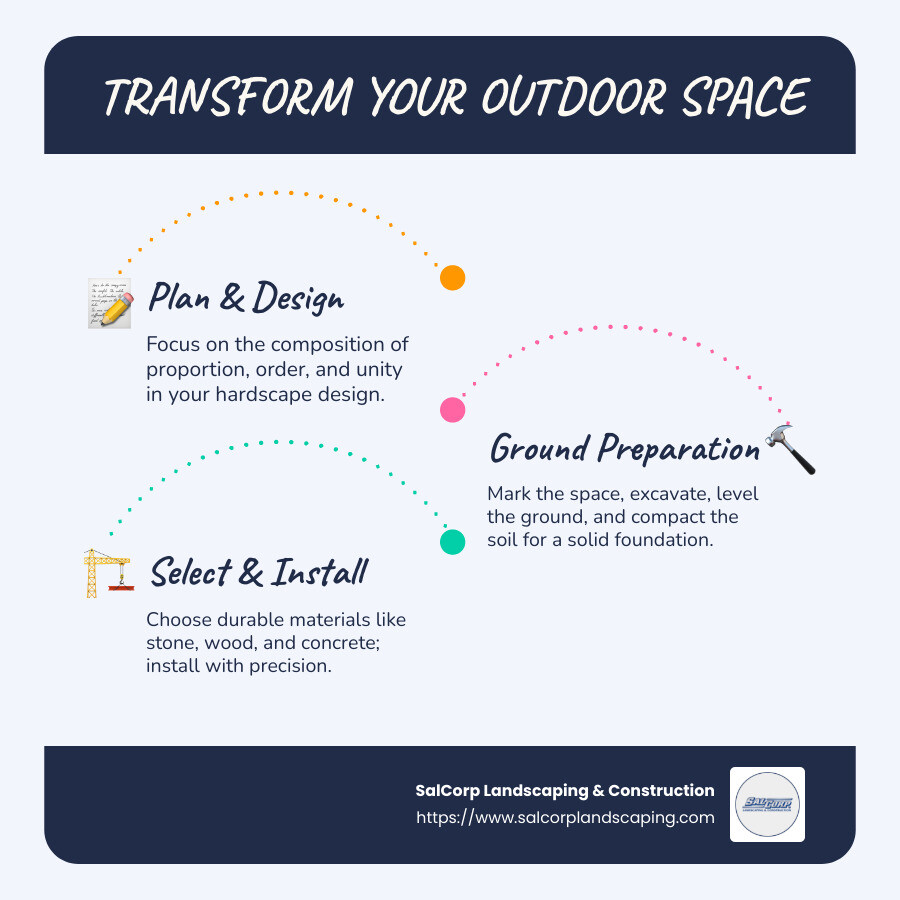
Hardscapes installation terms to know:
– landscape and hardscape design
– hardscape maintenance service
– hardscaping services
What is Hardscape?
Hardscape refers to the non-living elements in your outdoor environment. These elements are the building blocks that create structure and function in your space. Unlike plants or grass, hardscape components don’t grow or need watering, but they do need careful planning and installation.
Key Hardscape Materials
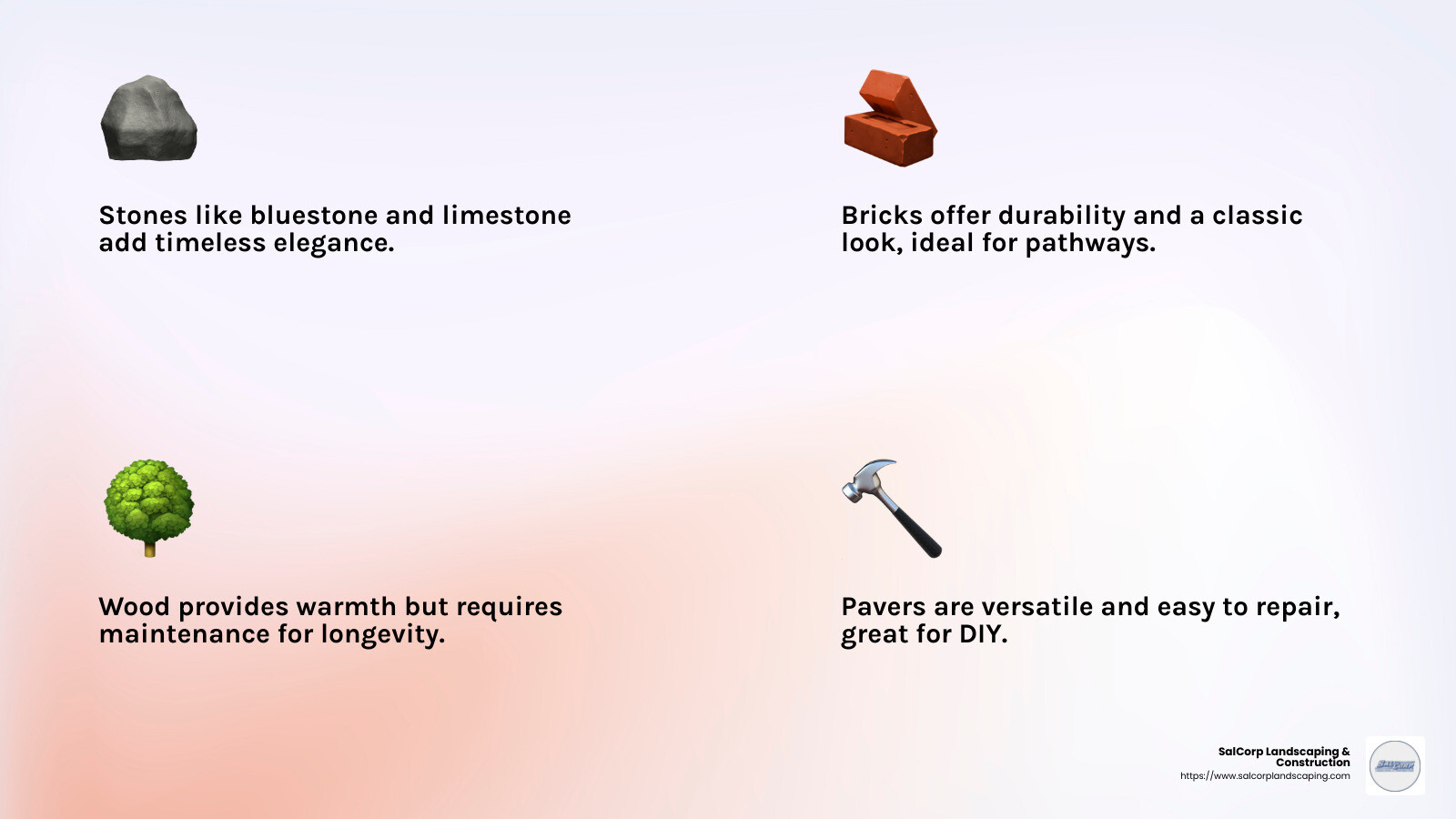
- Concrete: A versatile and affordable choice, concrete is often used for patios and walkways. It’s durable and can be molded into various shapes and patterns to fit any design.
- Rocks and Stones: Natural stones like bluestone, travertine, and limestone add elegance and durability. They are perfect for creating pathways, walls, or decorative features. Although they can be more expensive, their timeless appeal often justifies the cost.
- Bricks: Known for their classic look, bricks are durable and provide excellent load-bearing capacity, making them ideal for driveways and pathways. They offer a traditional aesthetic that complements many styles.
- Pavers: These are pre-cast blocks made from concrete, stone, or brick. Pavers come in a variety of colors and shapes, offering flexibility in design. They’re easy to install and repair, making them a popular choice for DIY projects.
- Wood: Wood adds warmth and a natural feel to outdoor areas, commonly used for decks and structures like pergolas. While it requires more maintenance to prevent decay, it’s often more cost-effective upfront.
Why Choose Hardscaping?
Hardscaping is a strategic choice for those seeking low-maintenance solutions. It helps in creating functional spaces that are easy to care for and can withstand harsh weather conditions. By incorporating these non-living elements, homeowners can enjoy a practical and visually appealing outdoor environment that improves property value and extends living space.
Incorporating hardscape into your landscape design involves a balance of these materials to achieve the desired aesthetic and functionality. Whether you’re looking to build a patio, a retaining wall, or a simple pathway, understanding the role of hardscape materials is crucial to the success of your project.
Next, we’ll explore the principles that guide effective hardscape design, ensuring your outdoor space is both beautiful and cohesive.
Preparing the Ground for Hardscape Installation
Before you can enjoy a beautiful hardscape, you need a solid foundation. Here’s a step-by-step guide to preparing your ground for hardscapes installation.
Mark the Space
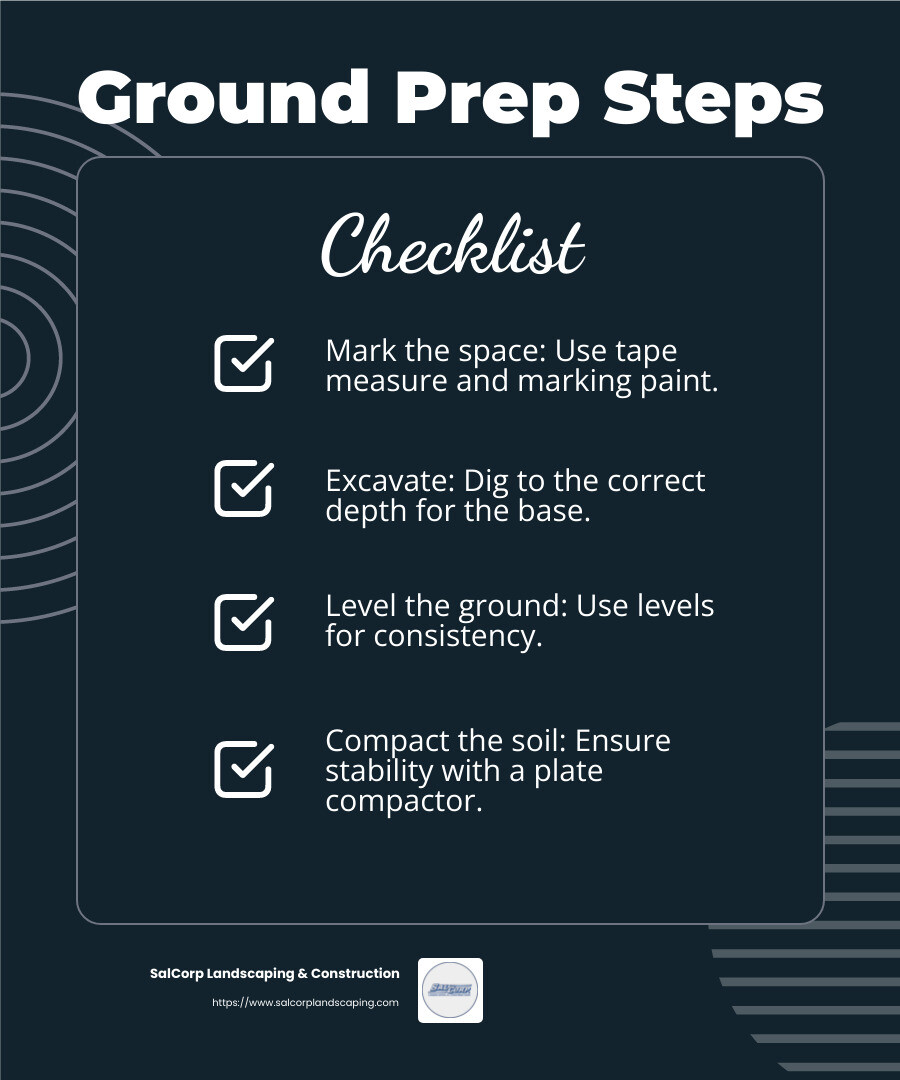
First, clearly mark the area where your hardscape will be installed. Use a tape measure and white marking paint to outline the space. This ensures precision and helps visualize the final design. A well-marked site minimizes errors and keeps the project on track.
Excavate to the Right Depth
Excavation is crucial. You need to dig to the correct depth to accommodate the base materials and the hardscape itself. The depth depends on the type of hardscape and local soil conditions. For instance, paver patios typically require a base of about 6-8 inches. Use a shovel for small projects or a walk-behind front-end loader for larger areas.
Level the Ground
Once excavated, the ground must be leveled. Uneven surfaces can lead to water pooling and structural issues. Use a torpedo level and a 24” level to check and adjust the surface. A string level can also help ensure consistent grading, especially for retaining walls.
Compact the Soil
Compacting the soil is essential for stability. Loose soil can shift over time, causing the hardscape to settle unevenly. For small projects, a hand tamper might suffice. However, for larger installations, a gas plate compactor is recommended. This tool ensures a firm base, reducing the risk of future problems.
Check the Base
Finally, inspect the base thoroughly. It should be firm, level, and free of debris. This base will support the weight and structure of your hardscape. If you find any soft spots, compact them again. Ensuring a solid base is key to the longevity of your hardscape.
By following these steps, you set the stage for a successful hardscapes installation. Proper ground preparation not only supports the structure but also improves the durability and appearance of your outdoor space.
Next, we’ll explore the principles that guide effective hardscape design, ensuring your outdoor space is both beautiful and cohesive.
Hardscape Design Principles
Designing a hardscape isn’t just about laying down stones or bricks. It’s about creating a space that feels balanced and inviting. Here, we’ll explore the core principles of hardscape design: proportion, order, repetition, unity, and composition.
Proportion
Proportion is all about size relationships. Imagine a tiny patio next to a huge house—it would look odd and unbalanced. The same goes for a small tree beside a tall building. When designing, consider the scale of all elements. Bigger can be better outdoors, as landscape designer Gerstle suggests, because the sky and trees are your ‘ceiling.’ Always aim for harmony between different sizes to make your space feel just right.
Order
Creating order in your hardscape means organizing elements to achieve balance and symmetry. This doesn’t always mean perfect symmetry. You can balance structured elements, like evergreens, with softer shapes. For example, an entryway with two shapely evergreens feels formal due to its symmetry, while mixing structured plants with meadow plantings can create a balanced yet informal look.
Repetition
Repetition involves using similar elements throughout the design to create rhythm and consistency. This could mean repeating the same type of plant, color, or material in different areas. For instance, using the same stone for a walkway and a patio ties the design together and creates a cohesive look.
Unity
Unity is about making sure all parts of your design work together. It’s like a puzzle where every piece fits perfectly. By using similar materials, colors, or shapes, you can create a unified look. Unity helps your outdoor space feel like one complete and harmonious area rather than a collection of mismatched parts.
Composition
Finally, composition is the overall arrangement of all elements in your hardscape. It’s about combining proportion, order, repetition, and unity to create a space that’s both functional and beautiful. Good composition ensures that every element, from a small garden path to a large patio, contributes to the overall design.
By applying these principles, your hardscape will not only look great but also function well. Whether it’s a cozy patio or a grand outdoor kitchen, these principles ensure your space is inviting and cohesive.
Next, we’ll dive into the hardscape installation process, detailing how to bring your design to life with site evaluation, preparation, and finishing touches.
Hardscape Installation Process
Changing your outdoor space with hardscapes installation involves a detailed process that ensures everything fits perfectly and functions as intended. Let’s walk through the key steps: site evaluation, preparation, placement, and those all-important finishing touches.
Site Evaluation and Preparation
Site evaluation is the first step in bringing your hardscape design to life. This involves assessing the existing landscape and determining which elements need to be removed or adjusted. Heavy equipment might be necessary to remove old hardscape materials or relocate existing features like trees or shrubs to different areas of your property.
Once the site is clear, grading and excavation are crucial. Grading ensures the land is level or sculpted as needed for the new design, while excavation involves digging to the proper depth for your hardscape materials. Remember to call 811 to mark utility lines before any digging begins, ensuring the safety and integrity of your property.
Placement and Installation
With the ground prepared, it’s time for placement and installation of your hardscape materials. This step involves positioning stones, pavers, and other elements according to your design plan. Adjustments might be necessary to accommodate existing structures or to ensure proper alignment.
If your project includes irrigation, it’s essential to move or add irrigation lines to support plant life and manage water flow efficiently. Properly directing water away from structures to stormwater drains helps prevent erosion and water damage.
Finishing Touches
The final step in the hardscape installation process is adding those finishing touches that make your outdoor space stand out. Edging creates clean lines and separates different areas of your landscape, enhancing the overall design.
Outdoor lighting is another feature that can lift your hardscape, providing both aesthetic appeal and safety after dark. Whether it’s subtle path lighting or dramatic uplighting on trees, lighting adds a new dimension to your space.
After installation, a thorough clean-up ensures your property looks pristine. A site walkthrough with your contractor allows you to confirm that everything meets your expectations. This is also the time to ask questions and get care instructions for maintaining your new hardscape.
By following these steps, your hardscape installation will be seamless and successful, paving the way for a beautiful and functional outdoor space. Now, let’s explore some popular hardscape features that can transform your yard into an inviting retreat.
Popular Hardscape Features
When it comes to enhancing your outdoor space, certain hardscape features stand out for their beauty and functionality. Let’s explore some popular choices that can transform your yard into a dream retreat.
Paver Patios
Paver patios are the heart of outdoor living spaces. They offer a sturdy, flat surface perfect for placing furniture, hosting gatherings, or simply relaxing. Made from durable materials like stone or concrete, these patios can be designed in various shapes and patterns to suit your style. Their versatility and durability make them a favorite among homeowners looking to extend their living area outdoors.
Retaining Walls
Retaining walls serve a dual purpose: they manage sloped terrains and add an attractive element to your landscape. By preventing soil erosion, these walls create usable flat areas for planting or other activities. Built from materials like stone or concrete blocks, retaining walls can be both functional and visually appealing, adding depth and structure to your garden.
Outdoor Kitchens
For those who love to entertain, outdoor kitchens are a must-have. These spaces can range from a simple grill and counter setup to a fully-equipped kitchen with appliances, storage, and seating. They not only make cooking outdoors convenient but also improve your home’s value and appeal, turning your backyard into a hub for social gatherings.
Fire Pits
Fire pits are perfect for creating a cozy atmosphere in your backyard. They provide warmth and serve as a gathering spot for family and friends, especially during cooler evenings. Whether you choose a simple round pit or a more elaborate design, fire pits can be customized to match your outdoor decor, making them a popular choice for many homeowners.
Pergolas
Pergolas add a touch of elegance and provide shade to your outdoor space. These structures can be adorned with climbing plants or lights, creating a picturesque setting. They are ideal for defining areas like patios or walkways, offering both style and function to your garden.
Swimming Pools
A swimming pool can be the ultimate addition to your backyard, providing a place for relaxation, exercise, and entertainment. Pools can be customized with surrounding hardscapes like decks and patios, integrating seamlessly with the rest of your landscape. Adding features like waterfalls or lighting can further improve the pool area, making it a standout feature in your outdoor space.
These popular hardscape features not only boost the aesthetic appeal of your property but also increase its functionality and value. Whether you’re looking to create a peaceful retreat or a vibrant entertainment area, these elements can help you achieve your vision.
Benefits of Hardscaping
Hardscaping offers a variety of advantages that make it a worthwhile investment for any outdoor space. Let’s explore some of the key benefits that make hardscapes an attractive choice for homeowners.
Low-Maintenance
One of the standout benefits of hardscaping is its low-maintenance nature. Unlike lawns and gardens that require regular watering, mowing, and trimming, hardscapes like patios and walkways need minimal upkeep. A simple sweep or occasional wash is often enough to keep them looking great. This makes hardscaping an ideal choice for those who want a beautiful outdoor space without the constant upkeep.
Water Efficiency
Hardscaping can significantly improve water efficiency. By replacing traditional grass lawns with hardscape elements like pavers or stone, you reduce the need for irrigation. This not only conserves water but also lowers your utility bills. Additionally, features like permeable pavers can help manage stormwater by allowing it to seep into the ground, reducing runoff and promoting groundwater recharge.
Increased Property Value
Investing in hardscaping can lead to an increased property value. According to a survey by the National Association of Realtors, outdoor projects such as patios and walkways have a high return on investment, with an average ROI of 100% to 102%. These features improve curb appeal and make your property more attractive to potential buyers, providing a significant return when it comes time to sell.
Extended Entertainment Space
Hardscaping extends your entertainment space, turning your yard into an outdoor living area. Features like patios, outdoor kitchens, and fire pits create additional areas for hosting gatherings or enjoying family time. These spaces are perfect for dining, relaxing, or entertaining guests, providing a seamless transition between indoor and outdoor living.
Hardscaping not only improves the aesthetic and functional aspects of your outdoor space but also offers practical benefits like reduced maintenance, improved water management, and increased property value. As you plan your hardscape installation, consider how these benefits align with your lifestyle and long-term goals for your property.
Frequently Asked Questions about Hardscapes Installation
How do you prepare ground for hardscape?
Preparing the ground is a crucial step in the hardscapes installation process. Here’s how you can do it:
- Mark Space: Begin by clearly marking the area where the hardscape will be installed. Use a tape measure and white marking paint to outline the space accurately.
- Excavate Depth: Depending on the project, you need to excavate to the appropriate depth. For most hardscapes, this means digging down several inches to accommodate the base materials and the hardscape itself.
- Level Ground: After excavation, ensure the ground is level. This prevents issues like uneven surfaces or pooling water. A string level can be handy for checking the evenness over larger areas.
- Compact Soil: Once the ground is level, compact the soil to create a stable base. For smaller projects, a hand tamper may suffice. For larger areas, a gas plate compactor is recommended to ensure thorough compaction.
- Check Base: After compacting, check the base for any uneven spots. Adjust as necessary to ensure a solid foundation for your hardscape materials.
What is the difference between landscape and hardscape?
Understanding the distinction between landscape and hardscape is essential for designing a balanced outdoor space:
- Landscape: This refers to the living elements of your yard, such as lawns, gardens, and trees. These elements bring life and color to your outdoor space but require regular maintenance like watering and pruning.
- Hardscape: These are the non-living, structural elements like driveways, walkways, and patios. Hardscapes provide organization and functionality, offering low-maintenance solutions that improve your property’s aesthetic appeal.
By balancing both landscape and hardscape elements, you create an outdoor environment that is both beautiful and functional.
What are pool hardscapes?
Pool hardscapes are the manufactured elements surrounding a pool that improve its functionality and appeal. They include:
- Paths: Walkways that lead to and around the pool area, providing easy access and a safe surface for walking.
- Patios: Spacious areas around the pool for lounging and entertaining. They often feature comfortable seating and can be made from various materials like concrete or stone.
- Decks: Liftd platforms surrounding the pool, offering additional seating and relaxation areas.
- Walls: Retaining or decorative walls that can add privacy and style to the pool area.
These elements not only improve the aesthetic appeal of your pool area but also improve safety and usability, making your outdoor space a true extension of your home.
Conclusion
At SalCorp Landscaping & Construction, we are passionate about changing outdoor spaces into beautiful, functional environments. Based in Walpole, Massachusetts, our owner-operated business offers comprehensive outdoor space solutions with a focus on hardscapes installation. With over 20 years of experience, we have the expertise and dedication needed to bring your vision to life.
Our approach is simple: we listen to your needs and tailor our services to meet them. Whether you’re looking to add a paver patio, a stunning retaining wall, or an outdoor kitchen, we have the skills and machinery to make it happen. We pride ourselves on using high-quality materials and delivering exceptional craftsmanship in every project.
Choosing SalCorp means choosing a partner who values your satisfaction. We are committed to clear communication and transparency throughout the process, ensuring that your project is completed on time and within budget. Our team is fully licensed and insured, giving you peace of mind as we work on your property.
If you’re ready to improve your outdoor space with professional hardscaping, we invite you to explore our hardscaping services and see how we can help create a space that you and your family will enjoy for years to come. Let us turn your outdoor dreams into reality with our expert hardscaping solutions.
