

What is Soft Landscape Construction: Top 10 Vital Tips
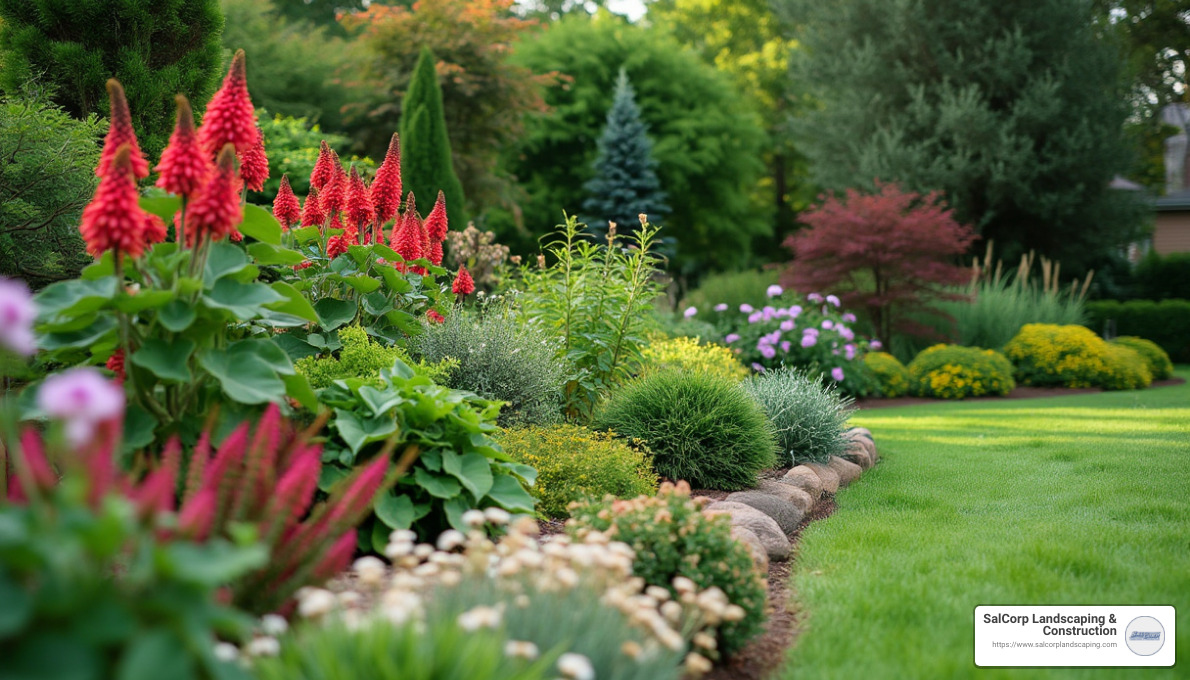
What is soft landscape construction? It’s the art and science of designing and arranging living elements, like grass, plants, trees, and flowers, to create vibrant and functional outdoor spaces. Unlike hard landscape construction, which involves structures and paving, soft landscape construction focuses on aesthetics and natural growth.
- Components: Soft landscape construction includes soil, mulch, turf, and a variety of plants.
- Techniques: Planting, mulching, and soil management are key.
- Tips: Choose plants suited to local climate conditions and aim for a balance with hard landscaping elements.
This introductory guide provides property managers and homeowners with insights into creating beautiful and sustainable outdoor environments through effective soft landscape construction.
As Sal Musto, I bring over two decades of experience in changing outdoor spaces by mastering what is soft landscape construction. Through hands-on leadership at SalCorp Landscaping & Construction, I have guided numerous projects in Massachusetts, blending my technical know-how with an eye for design. Stay tuned, as we will dive deeper into the nuances and expert strategies for achieving the perfect outdoor oasis.
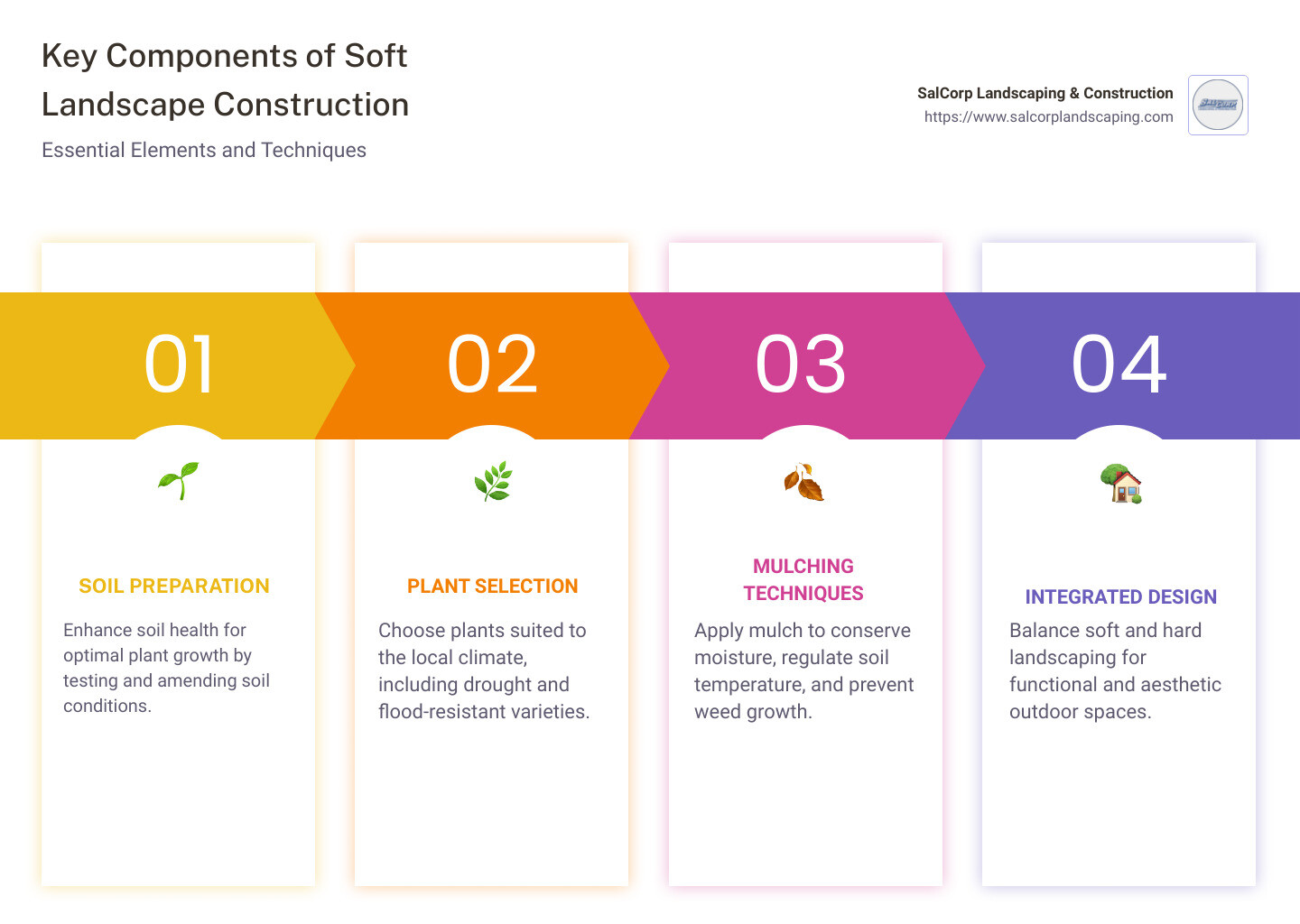
What is soft landscape construction further reading:
– landscape construction management software
– landscaping and construction
– new construction landscaping
Understanding Soft Landscape Construction
What is Soft Landscape Construction?
Soft landscape construction is all about using living elements to improve outdoor spaces. It’s the art of arranging plant life, soil, and mulch to create beautiful and functional environments. Unlike hard landscape construction, which involves non-living materials like stone or concrete, soft landscape construction focuses on the living, green components.
Components of soft landscape construction include:
- Plant Life: This encompasses everything from grass and flowers to trees and shrubs. These living elements bring color, texture, and life to any garden or outdoor space.
- Soil: Often overlooked, soil is the foundation of a healthy landscape. It supports plant growth and affects their health and vigor.
- Mulch: Mulch is used to retain moisture, suppress weeds, and improve the soil’s overall health. It also adds an aesthetic finish to the landscape.
Key Elements in Soft Landscape Construction
To effectively implement soft landscape construction, it’s important to understand its key elements:
- Trees: These are the backbone of any landscape. They provide shade, add vertical interest, and serve as natural windbreaks. Trees can also help define the space and create a sense of privacy.
- Shrubs: Shrubs offer structure and can be used to create borders or hedges. They require minimal care and are perfect for filling in gaps between larger plants.
- Turf: A well-maintained lawn is the canvas of your outdoor space. It provides a soft surface for activities and helps cool the environment.
- Groundcover: Groundcover plants, like ivy or moss, spread across the ground and help reduce the need for weeding. They add texture and can be used to cover large areas efficiently.
The importance of soft landscape construction lies in its ability to create vibrant, sustainable outdoor spaces. By carefully selecting and placing these elements, you can improve the aesthetics and functionality of your landscape, while also contributing to environmental benefits such as biodiversity and air purification.
By understanding these elements and how they work together, you can master the art of soft landscape construction and transform any outdoor area into a lush, inviting space.
Techniques in Soft Landscape Construction
Plant Selection and Placement
When it comes to soft landscape construction, choosing the right plants is crucial. The goal is to create a harmonious blend of beauty and functionality. Consider these factors:
- Drought-resistant and Flood-resistant Plants: Depending on your local climate, select plants that can withstand extreme weather conditions. Drought-resistant plants, like lavender or succulents, are perfect for areas with little rainfall. Conversely, flood-resistant plants like willows can thrive in wetter environments.
- Aesthetic Value: Think about color, texture, and seasonal changes. Mixing plants that bloom at different times of the year ensures your landscape remains vibrant throughout all seasons. Imagine a garden where spring bulbs give way to summer perennials and autumn foliage.
- Placement: The right plant in the right place. Consider the sun, shade, and wind exposure. Taller plants or trees can provide shade and serve as windbreaks, while shorter plants and groundcovers can fill in gaps and add layers to your design.
Soil and Mulch Management
Healthy soil and proper mulching are the backbone of any thriving landscape. Here’s how to manage them effectively:
- Soil Health: Good soil is rich in nutrients and has the right structure to support plant growth. Regularly test your soil to understand its pH and nutrient levels. Adding organic matter, like compost, can improve soil fertility and structure.
- Types of Mulch: Mulch comes in various forms, from organic options like wood chips and straw to inorganic ones like gravel. Each type has its benefits. Organic mulches decompose over time, enriching the soil, whereas inorganic mulches can be more durable and less maintenance-intensive.
- Application Techniques: Apply mulch around plants to retain moisture, suppress weeds, and regulate soil temperature. A layer of about 2-4 inches is typically effective. Be mindful not to pile mulch against plant stems or tree trunks, as this can lead to rot.

By focusing on the right plant selection, placement, and soil and mulch management, you can create a stunning, sustainable landscape. These techniques not only improve the aesthetic appeal of your outdoor space but also ensure its long-term health and vitality.
Maintenance Strategies for Soft Landscapes
Seasonal Care and Maintenance
Maintaining a soft landscape involves understanding the rhythm of the seasons and how they affect your plants. Here are some sustainable practices for keeping your landscape vibrant all year round.
- Seasonal Planting: Choose plants that bloom at different times to ensure year-round beauty. For instance, spring bulbs like tulips can be followed by summer perennials such as coneflowers, and then autumn foliage like maples.
- Climate Considerations: Pay attention to your local climate. In areas with harsh winters, consider using mulch to insulate plant roots. In hotter climates, prioritize drought-resistant species to reduce water usage.
- Growth Management: Regular pruning and trimming help maintain plant health and shape. This not only encourages new growth but also prevents diseases by improving air circulation around plants.
Long-term Sustainability in Soft Landscaping
Creating a sustainable landscape is about more than just plant selection. It’s about fostering an ecosystem that thrives with minimal intervention.
- Eco-friendly Materials: Use natural, biodegradable materials wherever possible. Organic mulches like bark or straw enrich the soil as they decompose, unlike synthetic alternatives.
- Biodiversity: Incorporate a variety of plant species to support local wildlife and create a balanced ecosystem. Native plants are particularly beneficial as they are well-adapted to the local environment and require less maintenance.
- Water Conservation: Implement water-saving techniques like drip irrigation systems, which deliver water directly to plant roots, minimizing waste. Also, consider rain gardens or rain barrels to capture and reuse rainwater.
By adopting these low-maintenance tips, you can enjoy a lush garden without constant upkeep. Sustainable practices not only protect the environment but also save you time and resources in the long run.
These strategies ensure that your soft landscape remains a beautiful and functional part of your outdoor space, providing enjoyment and ecological benefits for years to come.
Integrating Soft and Hard Landscaping
Examples of Integrated Landscaping
Creating a harmonious outdoor space involves blending soft and hard landscaping elements to improve both functionality and aesthetics. Here are some inspiring examples of how these elements can be integrated effectively:
Balance and Functionality
Achieving a balance between soft and hard landscaping is crucial for creating an inviting and practical outdoor area. Hardscapes provide the structure, while softscapes add life and color. For example, a pathway lined with border plants not only guides foot traffic but also softens the edges of the hard surface, creating a seamless transition between different areas of your garden.
Aesthetics
Integrating softscape elements like climbing vines on retaining walls adds vertical interest and softens the hard lines of the masonry. This not only improves the visual appeal but also provides functional benefits like improved air quality and natural insulation.
Pathways with Border Plants
Pathways are essential in any landscape design, offering clear routes and defining spaces. By adding border plants, you introduce a lush, green edge that contrasts beautifully with the hard surface. This approach not only improves visual interest but also helps guide visitors naturally through the space.
Water Features with Aquatic Plants
Water features, such as ponds or fountains, can be transformed into focal points by surrounding them with aquatic plants. These plants not only add beauty and texture but also support local wildlife by providing habitat and food sources. The sound of water combined with the vibrant greenery creates a tranquil atmosphere, perfect for relaxation.
Retaining Walls with Climbing Vines
Retaining walls are often necessary for managing slopes and preventing erosion. By incorporating climbing vines, you can turn these functional structures into stunning vertical gardens. Vines like clematis or ivy add color and texture, creating a living wall that changes with the seasons.
By thoughtfully integrating these elements, you can create a cohesive landscape that offers both practical benefits and aesthetic pleasure. This approach not only maximizes the use of space but also improves the overall experience of your outdoor environment, making it a true extension of your home.
Frequently Asked Questions about Soft Landscape Construction
What is the difference between soft and hard landscaping?
Soft landscaping and hard landscaping are two sides of the same coin in garden and landscape design. While hard landscaping involves the construction materials that form the backbone of your outdoor space—like patios, pathways, and walls—soft landscaping is all about the living elements. Think of soft landscaping as the lush, green vegetation that brings life to your garden. Trees, shrubs, flowers, and turf are all part of this category.
Hard surfaces provide structure and durability, while soft vegetation adds color, texture, and a sense of tranquility. A well-designed landscape balances both elements to create a cohesive and inviting environment.
What materials are used in soft landscaping?
Soft landscaping is all about the living components of your outdoor space. Here are some of the key materials used:
- Plants: Varieties range from small flowers to large trees, each chosen for its aesthetic and functional value.
- Trees and Shrubs: These provide shade, privacy, and a habitat for wildlife.
- Soil: The foundation of any garden, essential for healthy plant growth.
- Mulch: Used to retain moisture, suppress weeds, and improve soil health.
These elements work together to create a vibrant and sustainable landscape that changes with the seasons.
How does soft landscaping impact outdoor spaces?
Soft landscaping has a profound impact on both the aesthetics and functionality of outdoor spaces. Here’s how:
- Aesthetics: The colors and textures of plants and flowers add beauty and interest. They create focal points and guide the eye through the landscape.
- Functionality: Vegetation can define spaces, direct foot traffic, and provide privacy. Trees and shrubs offer shade and cooling, making outdoor areas more comfortable.
- Environmental Benefits: Soft landscaping supports biodiversity by providing habitats for various species. It also improves air quality and aids in water management through natural absorption.
Incorporating these elements not only improves the visual appeal of your outdoor area but also contributes to a healthier and more sustainable environment.
Conclusion
At SalCorp Landscaping & Construction, we believe that a well-crafted landscape is more than just an outdoor space—it’s a sanctuary for relaxation and a statement of style. Our comprehensive solutions in soft landscape construction cater to the diverse needs of our clients, whether it’s enhancing a residential garden or changing a commercial property.
Our Expertise
With over 20 years of experience, our team of skilled professionals brings both creativity and technical know-how to every project. We specialize in crafting cohesive landscapes that integrate both soft and hard elements, ensuring balance and harmony in every design.
Comprehensive Solutions
We offer a full spectrum of services that go beyond basic landscaping. From plant selection and soil management to sustainable practices, we provide custom solutions that are as functional as they are beautiful. Our owner-operated business model ensures that every project benefits from our personal attention and dedication to quality.
Experienced Professionals
Our team is equipped with the expertise and machinery needed to execute projects efficiently and effectively. By owning our machinery, we can maintain high standards while also offering cost-effective solutions to our clients. This approach allows us to deliver exceptional results that improve both the beauty and value of your property.
Why Choose SalCorp?
Choosing SalCorp Landscaping & Construction means partnering with a company that values your vision and works tirelessly to bring it to life. Our commitment to customer satisfaction and our passion for creating stunning outdoor spaces set us apart.
Ready to transform your landscape? Explore our landscaping services and find how we can help you create the garden of your dreams. Let’s bring your outdoor vision to life with innovative design and expert craftsmanship.
