Cape Cod Retaining Walls: 7 Proven Benefits for 2025 Success
Why Cape Cod Retaining Walls Are Essential for Your Property
Cape Cod retaining walls solve three critical problems that Massachusetts property owners face: preventing costly erosion, managing challenging slopes, and creating usable outdoor space. Whether you’re dealing with sandy soil washing away during storms or trying to level a steep yard, the right retaining wall transforms problem areas into beautiful, functional landscapes.
Quick Solutions for Cape Cod Properties:
- Natural stone walls – Classic New England look, 50+ year lifespan
- Segmental concrete blocks – Modern strength, faster installation
- Timber walls – Budget-friendly option for smaller projects
- Boulder walls – Use native materials, blend with coastal landscape
Cape Cod’s unique challenges make retaining walls more complex than typical installations. The region’s clay pockets, high water table, and freeze-thaw cycles require specific drainage solutions and proper foundation depth. Massachusetts code requires permits for walls over 4 feet, and coastal properties often need Conservation Commission approval.
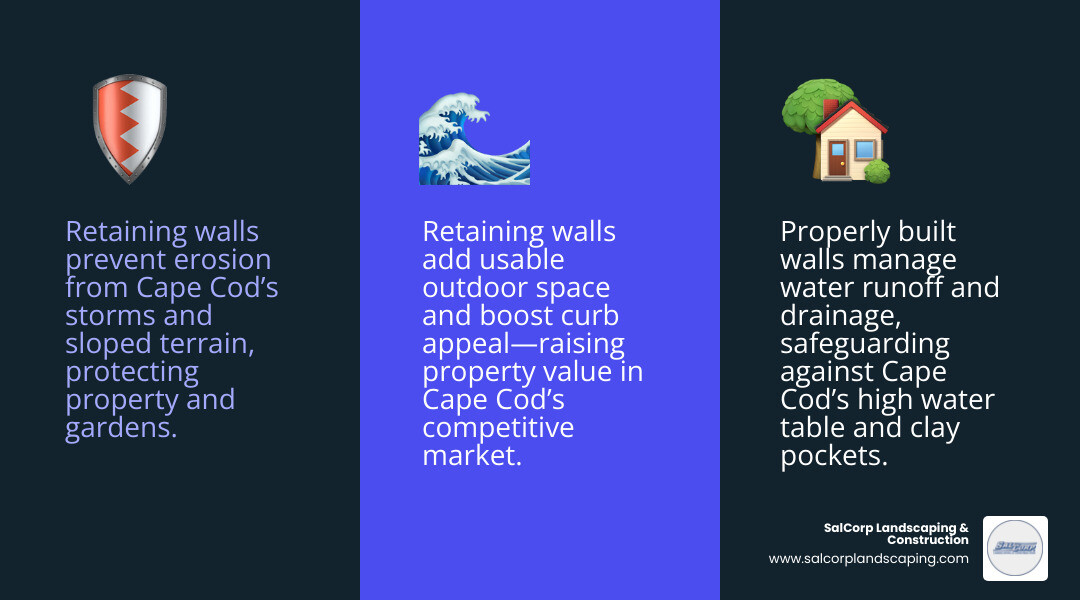
Retaining walls prevent erosion while adding significant property value – especially important for Cape Cod’s premium real estate market.
I’m Sal Musto, owner of SalCorp Landscaping & Construction, and I’ve built Cape Cod retaining walls for over two decades throughout Massachusetts communities. My hands-on approach ensures every wall meets Cape Cod’s demanding soil and climate conditions while enhancing your property’s coastal charm.
Easy Cape Cod retaining walls glossary:
Cape Cod Retaining Walls 101: Materials & Styles

Choosing the right material for your Cape Cod retaining walls depends on three things: your budget, desired appearance, and property needs. After building walls across Massachusetts for over twenty years, I’ve learned that Cape Cod’s coastal climate demands materials that can handle salt spray, freeze-thaw cycles, and nor’easters.
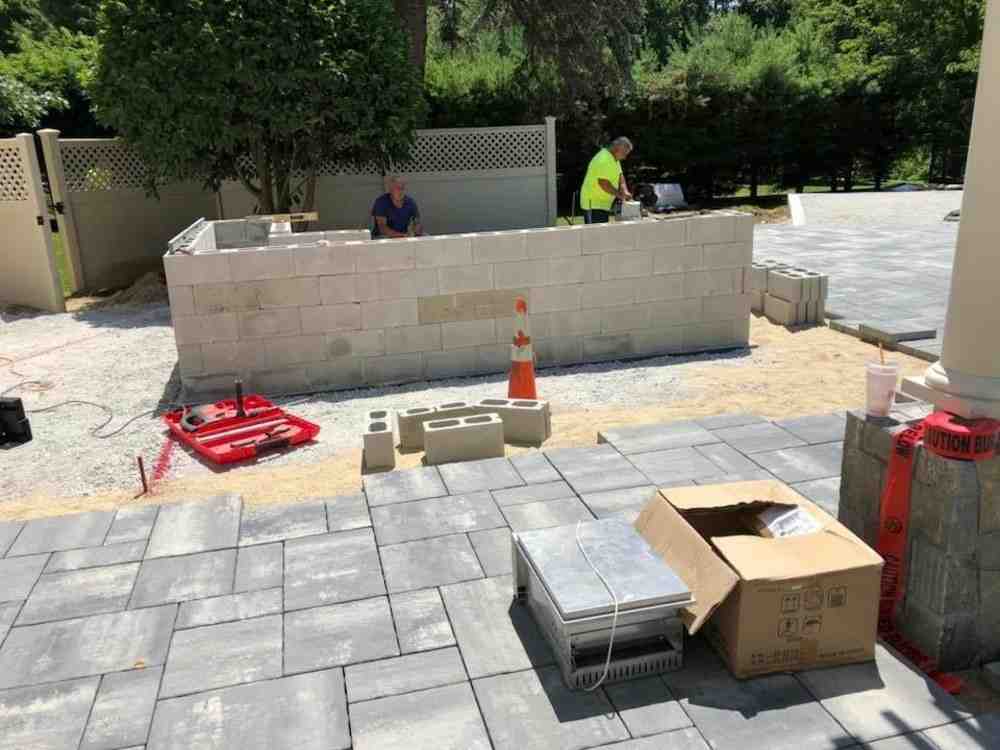
Natural stone gives you that classic New England look with 50+ year lifespan. Segmental concrete blocks offer modern strength at moderate cost. Pressure-treated timber works for smaller projects and tight budgets. Boulder walls use Cape Cod’s native materials for natural-looking installations.
| Material | Durability | Cost Range | Best For | Lifespan |
|---|---|---|---|---|
| Natural Stone | Excellent | Highest | Traditional Cape style, permanent solutions | 50+ years |
| Segmental Concrete | Very Good | Moderate | Modern designs, DIY-friendly | 30-50 years |
| Timber | Good | Lowest | Budget projects, temporary solutions | 10-20 years |
| Boulder | Excellent | High | Natural landscapes, coastal properties | 50+ years |
Natural Stone Elegance on the Cape
Fieldstone walls blend seamlessly with Cape Cod’s natural beauty. When I use locally sourced granite fieldstone with dry-stack methods, these walls handle harsh winters by flexing naturally instead of fighting freeze-thaw cycles like rigid concrete.
I rake back joints to achieve that classic dry-wall look, making new walls appear weathered and established. The upfront investment pays off through decades of virtually maintenance-free performance while other materials need repairs or replacement.
Modern Segmental Block Systems
Block Wall Builder systems create incredibly strong walls at reasonable cost. These interlocking concrete units weigh 30-80 pounds each, with precise connections that distribute weight evenly throughout the wall.
For Cape Cod properties, I recommend blocks with textured faces resembling natural stone. The concrete handles salt spray better than timber while costing less than real stone. Every installation includes at least one buried course and 12 inches of compacted crushed stone footing.
Budget-Friendly Timber Solutions
Timber retaining walls provide excellent value for smaller projects. I use pressure-treated lumber with specialized corrosion-resistant fasteners for Cape Cod’s humid, salty environment. Deadmen anchors – horizontal timbers extending into the soil – prevent forward tipping.
Avoid old railroad ties due to toxic creosote chemicals. The EPA guidance on creosote-treated wood warns about soil contamination risks. Modern pressure-treated lumber provides 10-20 years of reliable service when properly installed.
Planning, Permits & Drainage for Cape Cod Sites
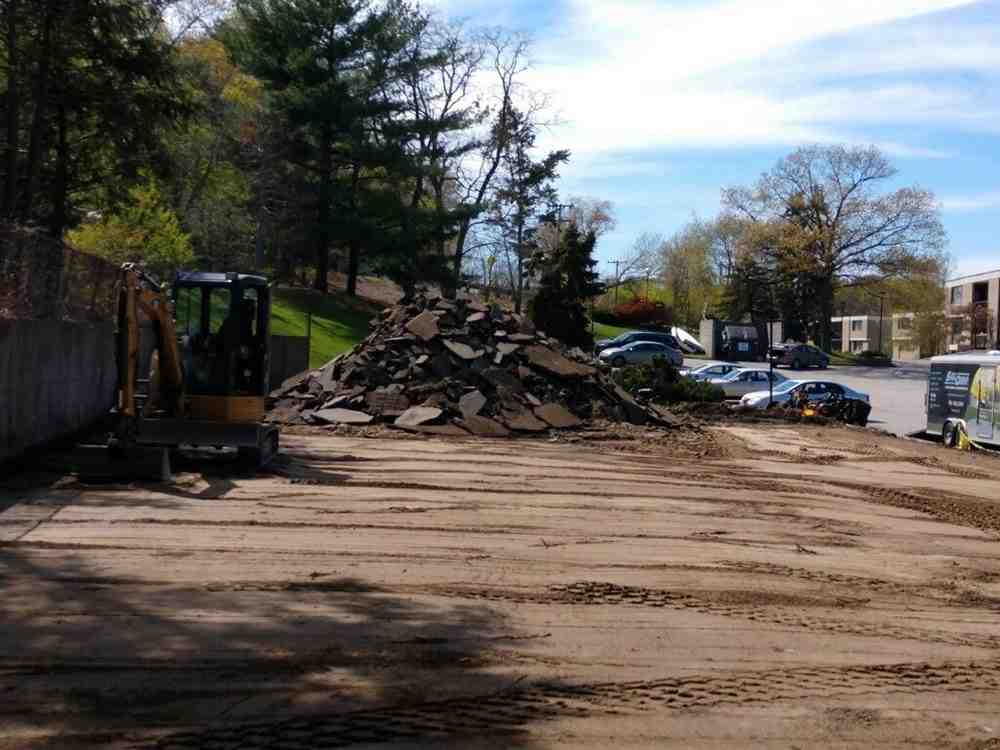
Planning Cape Cod retaining walls requires understanding unique coastal challenges. After two decades building walls on the Cape, proper planning prevents expensive construction surprises. The combination of tricky soils, strict permits, and demanding drainage requirements means every project needs careful preparation.
Understanding Cape Cod Soil & Climate Challenges
Cape Cod sits on glacial deposits creating complex underground conditions. Sandy surface soil often hides clay seams that trap water like underground dams. These layers create massive pressure behind retaining walls during freeze-thaw cycles.
Storm surge adds complexity for waterfront properties. During major storms, saturated soils and wave action create forces that can overwhelm improperly designed walls.
Navigating Massachusetts Permit Requirements
Massachusetts requires permits for retaining walls exceeding 4 feet in height. The Conservation Commission reviews projects within 100 feet of wetlands, including most Cape properties. I handle permits because each town has unique requirements.
Permitting typically requires structural plans from engineers for taller walls or challenging conditions. Setback requirements from property lines and septic systems vary by town. Coastal properties face extra scrutiny due to environmental protection rules.
Projects in velocity flood zones require additional engineering and environmental impact studies. I work with consultants who understand drainage standards from the National Concrete Masonry Association to ensure permit applications meet technical requirements.
Designing Rock-Solid Drainage
Drainage determines whether walls last decades or fail in their first winter. Cape Cod’s clay soils and high water table demand comprehensive systems removing water before it builds pressure.
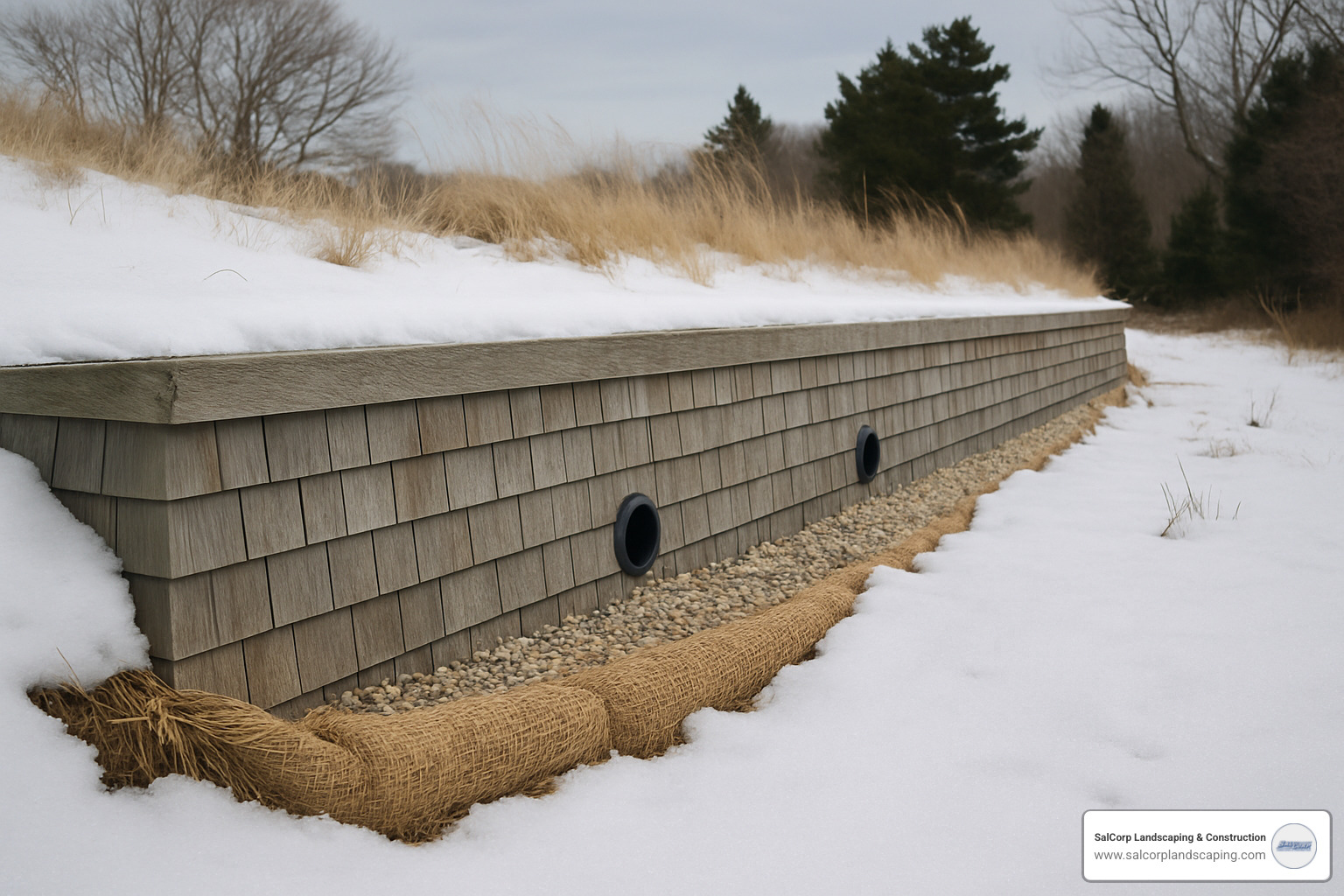
Our standard approach includes perforated pipe at the wall base surrounded by crushed stone backfill. Geotextile filter fabric prevents soil particles from clogging drainage while allowing water flow. Every system needs daylight outlets carrying water safely away.
For challenging clay soils, we install french drains intercepting groundwater before reaching the wall. Weep holes provide backup drainage, spaced every 6-8 feet with filter fabric protection.
Building Cape Cod Retaining Walls: Best Practices & Common Mistakes

Building Cape Cod retaining walls requires attention to details specific to Massachusetts coastal conditions. We’ve refined our construction process over two decades to address these unique challenges.
Proper Foundations & Footing Depth
Massachusetts frost line extends 48 inches below grade, determining minimum footing depth. We excavate to this depth and install 12 inches of compacted crushed stone as a stable base.
Footing width follows the engineering rule of half the wall height. A 4-foot wall requires a 2-foot wide footing, though we often exceed minimums for Cape Cod conditions. Load calculations become critical for walls over 4 feet, considering soil pressure and surcharge loads.

Avoiding Costly Errors on Cape Projects
Common mistakes include:
Poor drainage design – Walls without proper backfill drainage fail within 5-10 years instead of lasting decades.
Under-compacted base material – Loose footing allows uneven settling. We compact in 6-inch lifts using mechanical compactors.
Wrong material selection – Using untreated timber in wet conditions or blocks without freeze-thaw resistance causes premature failure.
Skipping permits – Creates liability issues and may require expensive reconstruction.
The first course must be buried below grade for kickout resistance, preventing forward sliding under soil pressure.
DIY vs. Hiring a Pro
Cape Cod conditions make professional installation worthwhile for most projects. Consider:
Skill requirements include understanding soil mechanics and drainage design. Mistakes often aren’t apparent until walls fail years later.
Equipment needs include excavators and compactors. Rental costs often exceed hiring professionals with owned machinery.
Liability concerns arise if walls fail causing damage. Professional contractors carry protective insurance.
For Landscape Walls Boston MA and surrounding areas, we provide warranties covering materials and workmanship.
Cost, ROI & Aesthetic Impact

Understanding the investment helps you make smart decisions balancing budget with long-term value. Cape Cod retaining walls face unique challenges affecting both initial costs and lifetime returns.
National data shows retaining walls averaging $114-$173 per linear foot, but Cape Cod’s coastal conditions create different pricing realities. Projects here typically range from $75-$350 per linear foot, with variation reflecting everything from basic timber to elaborate stone installations. These are average costs based on internet data and not actual costs for SalCorp Landscaping.
Beyond solving erosion problems, these walls create usable outdoor space that’s incredibly valuable where every square foot counts.
Cost Breakdown by Material on Cape Cod
Natural stone commands the highest investment but offers 50+ year lifespan, essentially buying a permanent landscape feature. Segmental concrete blocks hit the sweet spot for many homeowners, offering engineered strength at moderate cost with faster installation. Timber provides budget-friendly entry though consider replacement costs – timber walls might need rebuilding in 15 years while stone walls built decades ago still look great.
Labor typically represents 40-60% of total investment across materials. Cape Cod’s skilled craftsmen and challenging site conditions require experience and proper equipment. Disposal fees add costs, especially with clay soils needing special handling.
For specific pricing custom to your project, check our detailed guide on How Much Does a Retaining Wall Cost?.
How Retaining Walls Lift Cape Curb Appeal
Cape Cod retaining walls transform problem slopes into stunning outdoor spaces. Unusable hillsides become terraced gardens showcasing coastal landscapes beautifully.
Plant pockets built into stone walls create functional growing spaces for native plants like beach grass and rugosa roses. The stone-and-planting combination creates natural, weathered appearances making walls seem part of the original landscape.
Usable terraces provide flat space for entertaining and gardening. On Cape Cod, where buildable land comes at premium pricing, creating level areas from steep slopes adds genuine daily value.
Property value increases vary by location and quality, but well-designed retaining walls typically return 70-80% of investment. For waterfront properties, returns often exceed 100% because usable outdoor space commands premium pricing in Cape Cod’s competitive market.
Winter Maintenance & Long-Term Care
Cape Cod’s harsh winters test Cape Cod retaining walls severely. Between freeze-thaw cycles, salt spray corrosion, and nor’easters finding every weak spot, your wall faces serious challenges.
With proper maintenance, your retaining wall will weather these storms for decades while preventing emergency repair bills.
Routine Checks Before & After Nor’easters
Inspect walls twice yearly – before winter allows fixing problems before they freeze and expand, while after spring storms reveals winter damage.
Cracks in concrete or mortar joints warn that something’s moving. Small hairline cracks can be sealed, but larger cracks signal structural problems needing professional evaluation.
Bulging or leaning walls suggest drainage system failure or foundation settling. These problems worsen over time and waiting usually means complete rebuilds.
Drainage blockages cause more failures than any other factor. Leaves, debris, and ice can turn drainage systems into dams creating hydrostatic pressure. According to recent research on erosion control, proper maintenance significantly extends infrastructure lifespan while reducing costs.
Soil erosion around wall bases undermines foundations literally. When soil washes away, walls lose support and can shift or settle.
Simple Upkeep Tips to Extend Lifespan
Regrading mulch and soil annually maintains proper drainage away from walls. Water should flow away from structures quickly.
Applying sealants to concrete block walls every 3-5 years prevents water penetration causing freeze damage. Choose breathable sealers allowing moisture vapor escape.
Timber retreatment extends wood wall life when applied every 2-3 years using EPA-approved treatments.
Clearing vegetation requires balance – some plants improve appearance and prevent erosion, but large shrubs with aggressive roots can destabilize structures.
Monitoring drainage systems means checking water flows freely during heavy rains. Annual flushing removes sediment buildup gradually reducing drainage capacity.
Frequently Asked Questions about Cape Cod Retaining Walls
After building Cape Cod retaining walls for over two decades, I hear the same questions from homeowners throughout Massachusetts. These concerns make perfect sense – retaining walls represent a significant investment, and Cape Cod’s unique conditions create challenges you won’t find in typical construction guides.
When is a building permit required in Massachusetts?
Massachusetts law requires building permits for any retaining wall over 4 feet in exposed height. This measurement refers to what you can see above ground, not the total wall height including the buried foundation course.
Here’s where it gets tricky for Cape Cod properties: walls supporting driveways, patios, or structures may need permits regardless of height. The additional load from these features changes the engineering requirements entirely.
Cape Cod municipalities add their own layers of complexity. If your property sits within 100 feet of wetlands – and many do on the Cape – you’ll need Conservation Commission approval before breaking ground. Waterfront properties in velocity flood zones face even stricter review processes.
I handle all permitting for my clients because navigating these requirements takes experience. Each town has slightly different interpretations of state codes, and knowing the local building officials saves months of delays.
What drainage system works best for Cape clay soils?
Cape Cod’s tricky soil profile – sandy surface over clay layers – demands bulletproof drainage systems. I’ve seen too many walls fail because contractors underestimated the hydrostatic pressure that builds up when water can’t escape.
My standard drainage system includes 4-inch perforated pipe at the wall base, surrounded by 12 inches of crushed stone backfill. The crushed stone creates a drainage zone that channels water to the pipe instead of pushing against the wall. Geotextile fabric wraps the stone to prevent fine soil particles from clogging the system over time.
For properties with high water tables or those stubborn clay seams, I install additional french drain systems that intercept groundwater before it reaches the wall. The key is getting that water away from the structure – the outlet must discharge somewhere that won’t create erosion problems for you or your neighbors.
Poor drainage kills retaining walls faster than any other factor. It’s worth investing in a robust system that handles Cape Cod’s wet springs and hurricane seasons.
Which retaining wall material lasts the longest on the Cape?
Natural stone walls win the longevity contest hands down – I’ve repaired fieldstone walls that were built in the 1800s and are still structurally sound. Granite and local fieldstone handle our freeze-thaw cycles beautifully because they flex naturally instead of cracking like rigid materials.
The secret lies in how stone responds to temperature changes. When water freezes in the joints, stone walls accommodate the expansion without damage. Concrete, on the other hand, can crack when water expands in small fissures.
Segmental concrete blocks offer excellent middle-ground performance with 30-50 year lifespans when properly installed. The key is choosing blocks specifically rated for freeze-thaw resistance in coastal environments. Not all concrete blocks are created equal – some will spall and crack within a few seasons if they’re not designed for New England weather.
Timber walls provide 10-20 years of service depending on the wood treatment and how well drainage works. While economical upfront, you’ll likely replace a timber wall at least twice during the lifespan of a stone wall. Sometimes the math favors investing in stone from the beginning.
The honest answer is that proper installation and drainage matter more than material choice for longevity. I’ve seen expensive stone walls fail due to poor drainage, while well-built concrete block walls continue performing after decades of Cape Cod weather.
Conclusion
Cape Cod retaining walls solve real problems while creating spaces you’ll actually want to spend time in. Whether you’re tired of watching your garden wash away after every storm or dreaming of turning that steep, unusable slope into terraced outdoor living space, the right wall makes all the difference.
After two decades of building walls throughout Massachusetts communities, I’ve seen how the right approach transforms properties. Natural stone walls give you that timeless Cape Cod elegance that looks better with age. Segmental blocks offer modern engineering strength when you need serious soil retention. Timber solutions work perfectly for smaller projects or when budget matters most.
What makes Cape Cod different is our unique combination of challenges – those tricky clay layers hiding under sandy soil, coastal storms that test everything, and freeze-thaw cycles that can crack poorly built walls. But when you address these properly with good drainage and solid foundations, your wall becomes a permanent asset that actually increases in value over time.
The real reward comes from creating outdoor space your family will use for decades. I love seeing clients turn problem areas into garden terraces, outdoor seating, and entertaining spaces that feel naturally integrated with Cape Cod’s coastal landscape.
At SalCorp Landscaping & Construction, we handle everything from permits to final cleanup because we know the local requirements in every town from Sandwich to Yarmouth. Being owner-operated means I personally oversee every project, ensuring your wall meets both our standards and Cape Cod’s demanding conditions.
Ready to stop worrying about erosion and start enjoying usable outdoor space? Let’s walk your property together and discuss what’s possible. Every site presents unique opportunities, and I’d love to show you how a well-designed retaining wall can transform your landscape.
Find how retaining walls integrate with complete outdoor living spaces through our Hardscaping Services – from patios and walkways to fire features that make your backyard the place everyone wants to gather.