

Brick Stairs Cost: 2025 Pricing Unveiled
Your Guide to Budgeting for Brick Steps
When considering the brick stairs cost for your property, it’s easy to focus only on the bricks. However, a durable set of brick stairs involves much more. Understanding the various elements that contribute to the total investment is key to successful planning.
Key factors influencing the cost include:
- Size and Scope: The number of steps and their width.
- Design: Simple, straight designs cost less than complex, curved stairs with landings.
- Materials: Brick types vary greatly in price.
- Labor: Professional masons ensure quality construction.
- Site Prep: May include demolition, excavation, and foundation work.
- Features: Railings, lighting, and patterns add to the cost.
- Repairs vs. New Build: Repairing steps is often cheaper than a full replacement.
- Permits: Local regulations may require permits and fees.
As Sal Musto, owner of SalCorp Landscaping & Construction, I’ve spent over two decades helping clients in Massachusetts steer outdoor projects, including the true brick stairs cost. My commitment is to ensure you receive the highest standards of quality, changing your outdoor spaces.
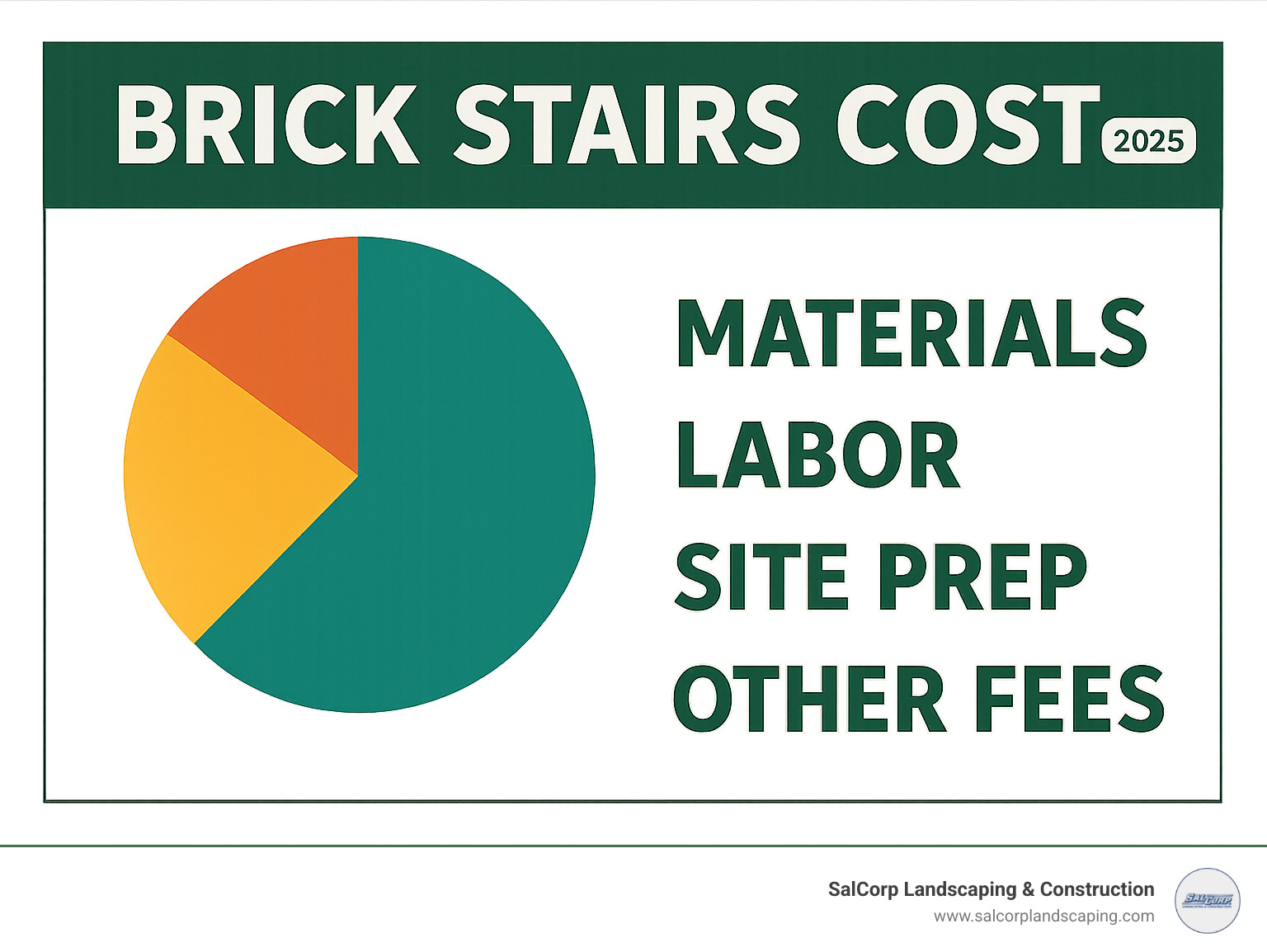
The Average Brick Stairs Cost: A Complete Price Breakdown
Let’s talk numbers for the brick stairs cost. Any figures you see online are national averages. Your actual project costs will vary based on your location, project details, and the professionals you hire. For an accurate estimate for your Massachusetts home, a professional quote is the best approach.
How Much Do Brick Stairs Cost to Install or Replace?
The total brick stairs cost for a new installation can range from $3,000 for a simple project to $25,000 or more for high-end designs. A typical 300-square-foot project might fall in the middle of that range, but ornate features can increase the investment.
Replacing existing brick steps also has a variable cost. A small set of three steps might cost in the lower thousands, while a grander set of six steps could double or triple that. Demolishing old steps often adds a few hundred dollars to the total. We provide detailed estimates so you understand every part of your brick stairs cost. Quality hardscaping boosts curb appeal and adds significant value, making it a worthwhile long-term investment.
Curious to see how new hardscaping can transform your outdoor space? Explore our services in hardscape construction.
The Cost of Brick Steps Per Square Foot and Per Step
Breaking down the brick stairs cost further, installation typically ranges from $20 to over $100 per square foot, based on national averages. This covers everything from simple designs to intricate patterns.
For smaller jobs, projects may be estimated per step. The average replacement cost can range from $600 to $2,000 or more per step. This figure usually includes demolition, materials, and labor. Replacing an existing step is often more costly than building a new one due to the extra demolition work.
What About Repairing Brick Stairs?
Often, a full replacement isn’t necessary. The cost to repair brick steps depends on the extent of the damage. Minor fixes like securing loose bricks or filling small mortar cracks are less expensive than major structural work.
For individual step repairs, the cost can range from $300 to $1,000 per step. A common repair is “repointing,” where old mortar is replaced with new. This is normal after 20-30 years due to settling and weather. However, major issues like spalling (flaking brick surfaces) or widespread crumbling often require replacing the damaged bricks entirely, as they can be a safety hazard. Our team can assess your steps and recommend the most cost-effective and durable solution.
To learn more about how we can help with all your masonry and concrete needs, please visit our page on masonry and concrete contractors.
Key Factors That Determine Your Final Project Price
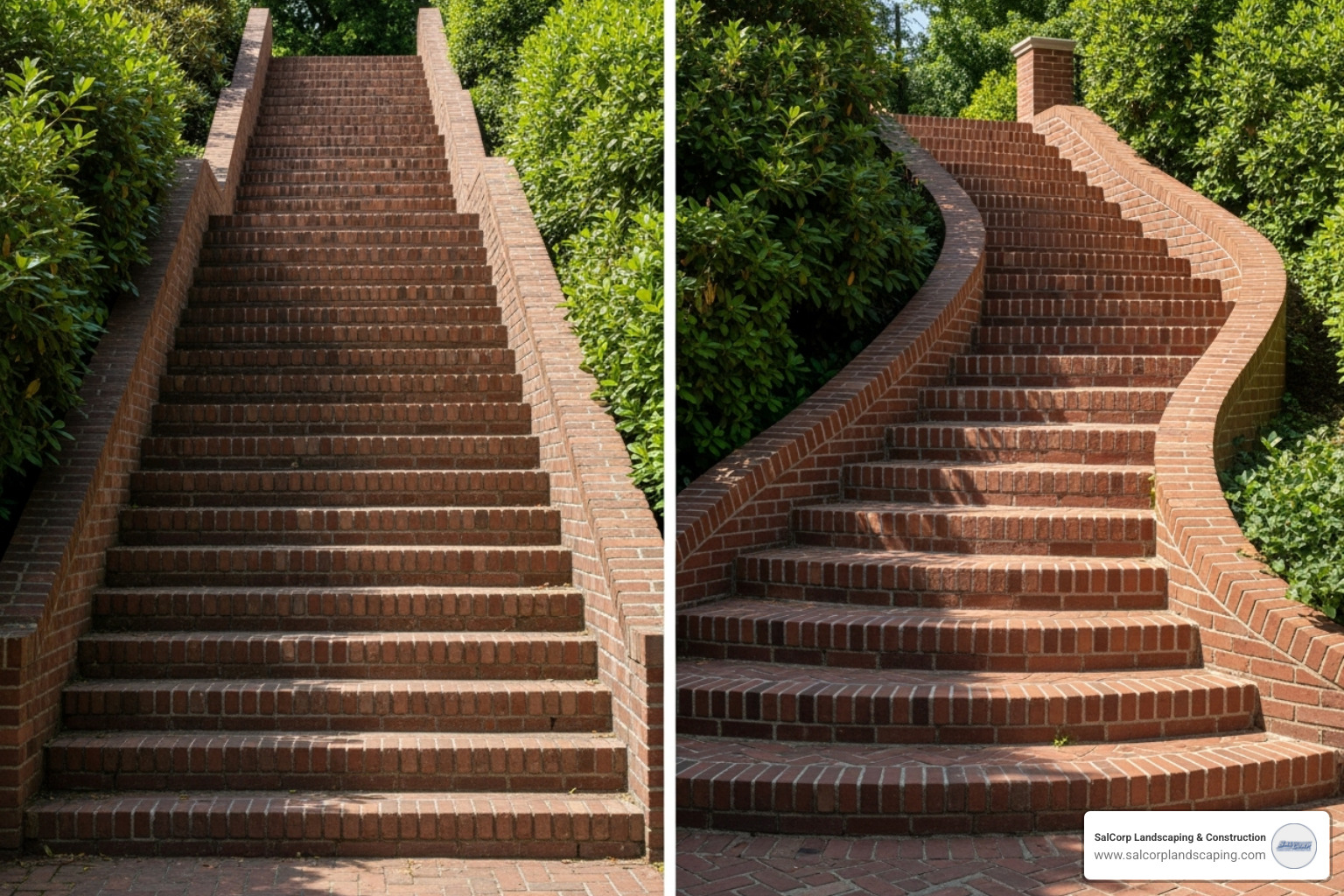
While averages provide a baseline, your final brick stairs cost depends on several key factors. The scope of your project is the biggest driver, but design complexity, location, and material choices also play a significant role.
Size, Style, and Complexity
The number of steps and their width directly impact material and labor costs. Doubling the width, for example, requires more than double the materials due to added structural support.
- Straight vs. Curved: Curved stairs require meticulous cutting and placement of each brick, taking significantly more time and skill than straight designs.
- Landings: These add square footage, structural support, and complexity to the project.
- Railings: Integrating railings adds another trade and material cost to the project.
- Intricate Patterns: Designs like herringbone or basketweave are stunning but require exceptional skill and time, which increases the cost.
For inspiration on various design possibilities, take a look at our Brick Step Designs page.
The True Brick Stairs Cost: Materials Breakdown
The bricks themselves are just one part of the material cost. A durable installation requires a system of materials working together.
| Material Type | Average Cost (Per Brick) | Key Characteristics |
|---|---|---|
| Common Clay Brick | $0.50 – $2.00+ | Budget-friendly, widely available, solid structural performance. |
| Face Brick | $1.50 – $5.00+ | Superior aesthetics, consistent color and texture, designed for visible surfaces. |
| Concrete Brick | $1.00 – $4.00+ | Excellent durability, consistent sizing, popular for modern designs. |
| Antique/Reclaimed Brick | $5.00 – $15.00+ | Premium cost, historical character, unique weathered patina, limited availability. |
Other essential materials include quality mortar, a solid concrete foundation, a gravel sub-base for drainage, and reinforcement materials like rebar to add strength. These foundational elements are critical for a long-lasting, professional installation.
Labor, Demolition, and Site Preparation
Skilled masonry is a significant portion of your brick stairs cost. Based on national data, professional mason labor rates can range from $40 to $150 or more per hour, depending on experience and project complexity. We provide transparent, fixed-rate bids so you know the full cost upfront.
Demolition of existing steps can add $200 to $800 or more to your project, covering labor and disposal.
Site preparation is critical for success. This includes excavation to the proper depth and site grading to ensure water drains away from the steps and your home’s foundation. Poor drainage is a primary cause of masonry failure.
For projects requiring significant earthwork, our excavation services ensure a solid start. Understanding how contractors calculate these costs is complex; you can learn more about labor wages and costs: building a unit-price system.
Hidden Costs and Additional Fees
A professional estimate should account for several other essential expenses:
- Building Permits: Depending on local regulations, permits may be required. Fees can range from $100 to $300 or more. A permit ensures your project meets safety codes. Investing in quality materials may require a permit.
- Debris Disposal: Construction and demolition create waste that must be properly disposed of.
- Equipment Rental: Costs for specialized tools like wet saws and mortar mixers are typically included in a professional’s estimate.
- General Contractor Overhead: This applies if your stairs are part of a larger project. As an owner-operated business, we keep these costs reasonable.
These “extras” are investments in a safe, legal, and durable project.
DIY vs. Hiring a Professional Mason
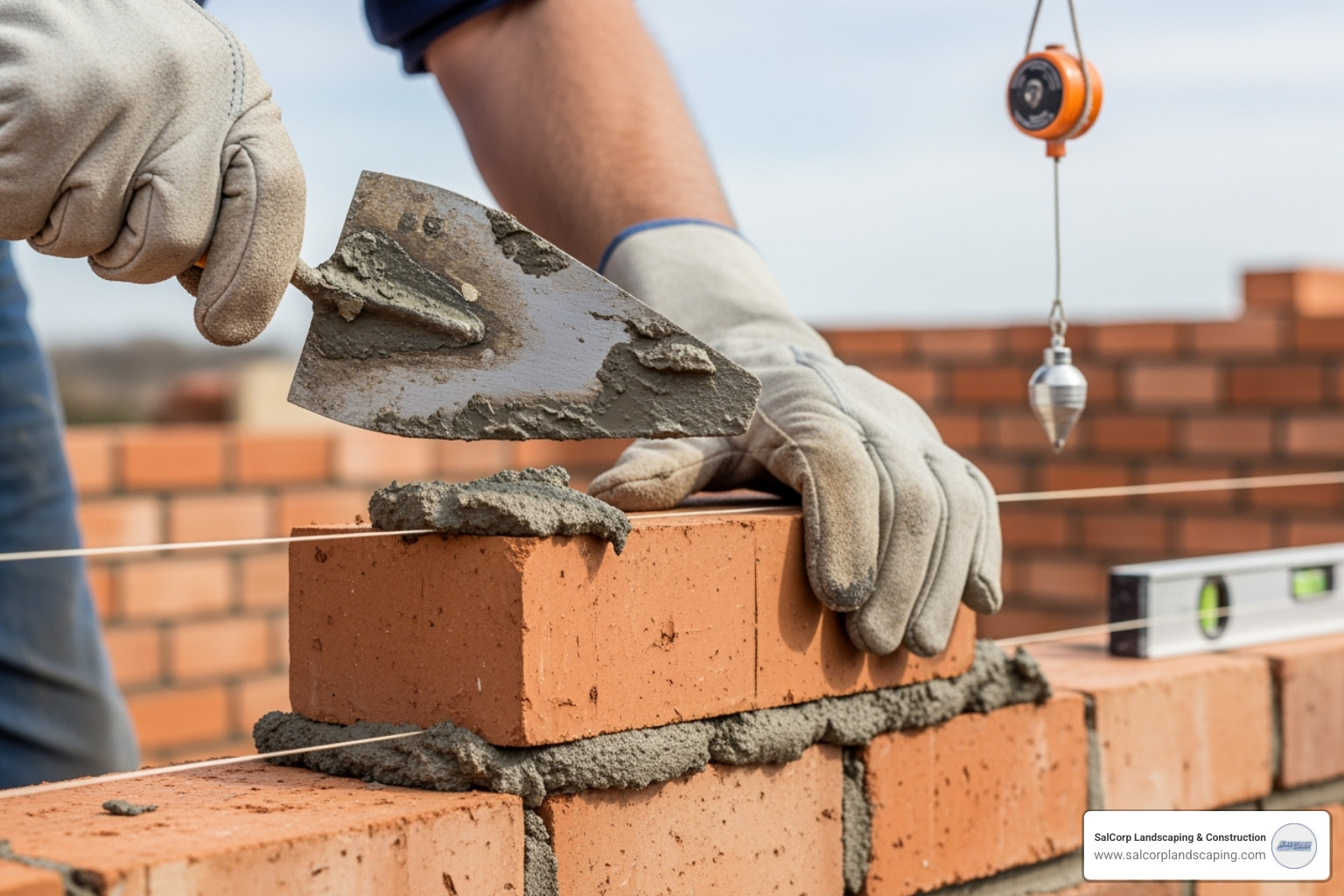
The idea of saving on brick stairs cost with a DIY approach is tempting. However, brick masonry, especially for stairs, requires a high level of skill and precision.
Can You Build Your Own Brick Steps?
While you can save on labor, the risks of improper installation often outweigh the savings.
- Potential Savings: The primary saving is on labor costs. Some homeowners handle demolition to save a few hundred dollars.
- Risks: Brick steps need a solid foundation to prevent settling, cracking, and water damage. An improper build can lead to instability and safety hazards, ultimately costing more to fix than hiring a professional from the start.
- Tools and Skills: Building stairs requires specialized tools and knowledge of measurements, mortar mixing, drainage, and structural integrity.
For a critical element like stairs, the margin for error is small. If you’re interested in the process, you can learn more about how to lay a brick step.
Why Hiring a Professional is Often Worth It
Hiring a professional mason is almost always the smarter long-term investment.
- Experience and Expertise: Professionals understand local soil, climate, and building codes in Massachusetts. Their expertise prevents costly mistakes and ensures a high-quality result.
- Structural Integrity and Safety: A professional ensures your steps are structurally sound and meet all safety standards.
- Efficiency: A professional team can complete the job in a fraction of the time it would take a DIYer.
- Warranty: Reputable contractors like us offer warranties, protecting your investment.
When choosing a contractor, ask about their experience, licensing, insurance, and portfolio. A clear estimate, timeline, and plan for permits and cleanup are also essential. Choosing a professional ensures your brick stairs cost results in a beautiful, durable, and safe addition to your home. If you’re looking for expert hardscaping services in Massachusetts, you can find a hardscaper near you through us.
Durability and Maintenance of Brick Stairs
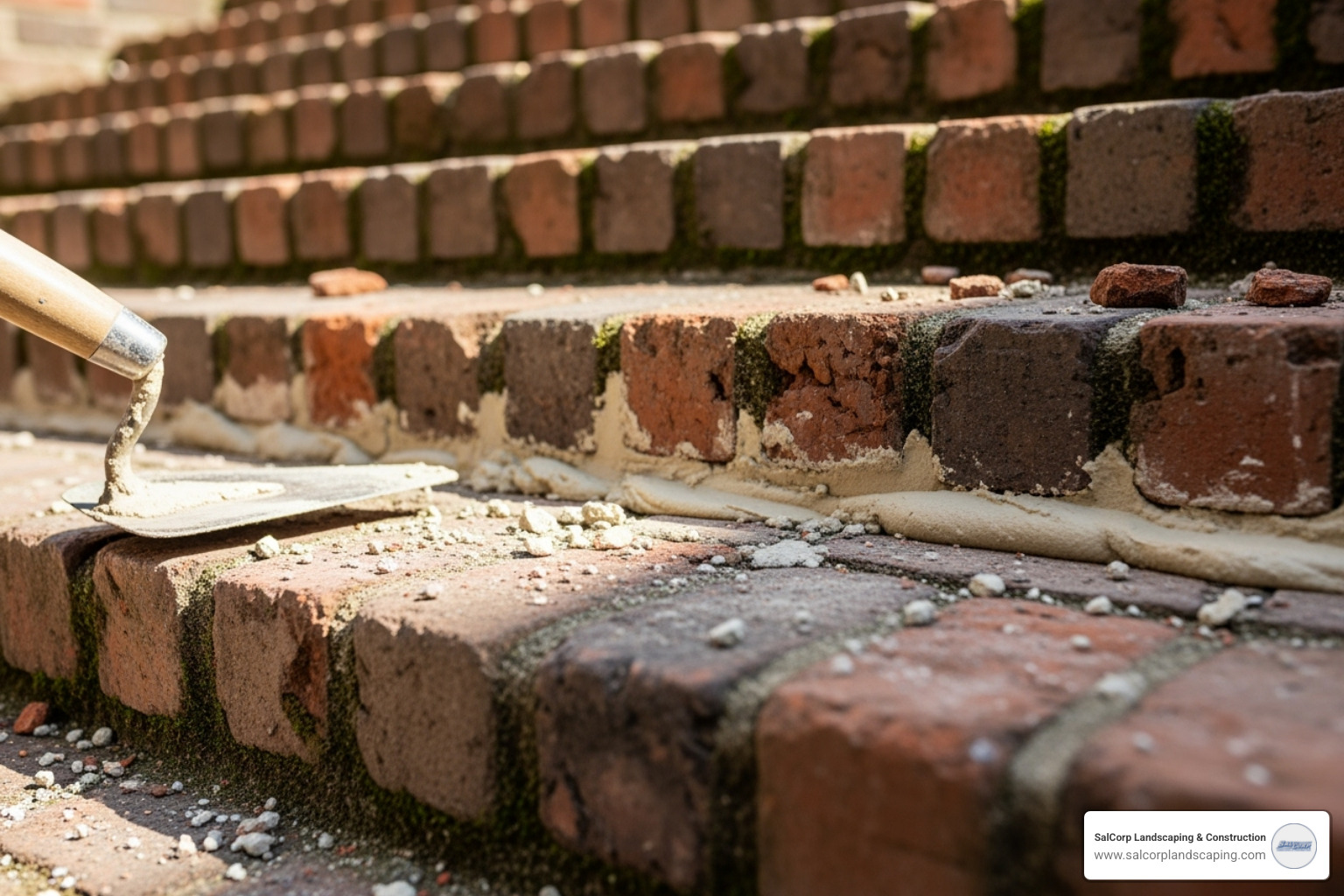
A major benefit of brick stairs is their incredible durability. Factoring this into the initial brick stairs cost shows their long-term value, especially in harsh Massachusetts winters. With proper care, your brick steps can last for generations.
How Long Do Brick Steps Last?
Properly installed brick steps can last for centuries. This makes your initial brick stairs cost a solid, long-term investment that adds lasting value to your home.
While the bricks are durable, the mortar holding them together typically has a lifespan of 20 to 30 years. Small cracks may appear due to natural settling and weather changes. This is a normal sign that it’s time for repointing—a process of replacing old mortar with new. Repointing can add decades to your steps’ life. You can read more about why cracks in brick mortar are normal over time. However, long horizontal or stair-step cracks can indicate serious foundation issues and require immediate professional attention.
Common Maintenance and Upkeep
Maintaining your brick steps is simple and ensures their longevity.
- Regular Cleaning: Sweep away dirt and leaves. For a deeper clean, use soapy water and a stiff brush. This prevents moss or algae buildup, which can be slippery.
- Avoid Pressure Washing: High-pressure water can damage mortar and brick, forcing moisture inside. This is especially damaging during freeze-thaw cycles.
- Inspect for Cracks: Periodically check mortar joints for wear. Catching small issues early prevents them from becoming larger problems.
- Address Spalling: Spalling is when the brick surface flakes or crumbles, often due to trapped moisture. The affected brick usually needs to be replaced.
- Consider Sealing: A breathable sealant can offer protection from moisture and stains. Using a non-breathable sealant can trap moisture and cause damage. We can help you determine if sealing is right for your steps.
Following these tips ensures your brick stairs cost pays off for years to come. For more ideas, explore our information on landscape stairs.
Frequently Asked Questions about Brick Stair Costs
We often receive questions about brick stairs cost and related topics. Here are answers to some of the most common inquiries from Massachusetts homeowners.
Do brick steps need a concrete foundation?
Yes, absolutely. A solid, stable foundation is essential for safety and longevity. Laying bricks directly on dirt leads to instability, uneven settling, and eventual structural failure. A proper foundation involves excavating, laying a compacted gravel sub-base for drainage, and pouring a reinforced concrete footing. This provides a level, strong base that prevents shifting and protects against Massachusetts’ freeze-thaw cycles.
What is the cheapest way to build outdoor steps?
While simple wood or pre-cast concrete steps may have a lower upfront cost, they often require more maintenance and earlier replacement than durable brick. The “cheapest” option initially may cost more in the long run.
To manage your brick stairs cost while using brick:
- Choose standard, common bricks over more expensive specialty options.
- Opt for simple, straight designs to reduce labor and material waste.
- Source materials locally to cut down on transportation costs.
“Cheapest” should never mean compromising on quality or safety. A poorly built step is a liability. Properly installed brick steps provide superior durability and value, often making them the most economical choice over time.
Is it cheaper to repair or replace brick steps?
This depends on the extent of the damage. For minor issues like a few cracked mortar joints or loose bricks, repair is almost always more budget-friendly. Targeted repairs like repointing can significantly extend the life of your steps without the cost of a full replacement.
However, if your steps have major structural problems—like a sinking foundation, large cracks, or widespread crumbling (spalling)—a full replacement is the safer and more cost-effective long-term solution. Patching over deep structural damage is a temporary fix that often leads to recurring issues and higher costs later. Our team can assess your steps and recommend the best option for your property.
Ready to Build Your Timeless Brick Steps?
Investing in brick stairs is a wonderful decision for your home, dramatically boosting curb appeal, functionality, and value for years to come.
Understanding the potential brick stairs cost is the first step. The true value comes from a project that considers everything from proper site preparation and material selection to the skilled craftsmanship that brings it all together. This holistic approach ensures a smooth, successful, and rewarding outcome. At SalCorp Landscaping & Construction, we believe a professional installation is about crafting a safe, durable, and stunning entryway that complements your home’s character.
As an owner-operated business with over 20 years of experience, we take pride in offering comprehensive outdoor solutions in Massachusetts. We use our own machinery and expert team to deliver unparalleled quality and service to communities across the state, including Avon, Barnstable, Berkley, Boston, Bourne, Braintree, Brewster, Brockton, Brookline, Canton, Chatham, Cohasset, Concord, Dedham, Dennis, Dover, Foxborough, Framingham, Franklin, Harwich, Hingham, Holliston, Hopkinton, Hyde Park, Jamaica Plain, Lakeville, Mansfield, Mashpee, Medfield, Medway, Middleborough, Milford, Millis, Milton, Natick, Needham, Newton, Norfolk, Norton, Norwell, Norwood, Pembroke, Quincy, Randolph, Reading, Sandwich, Scituate, Sharon, Sherborn, Stoughton, Sudbury, Taunton, Walpole, Waltham, Wareham, Wellesley, West Bridgewater, West Roxbury, Westwood, Weymouth, and Yarmouth.
Ready to transform your outdoor space? Let us help you create timeless brick steps that blend elegance with enduring strength. Explore our masonry stair services today!
