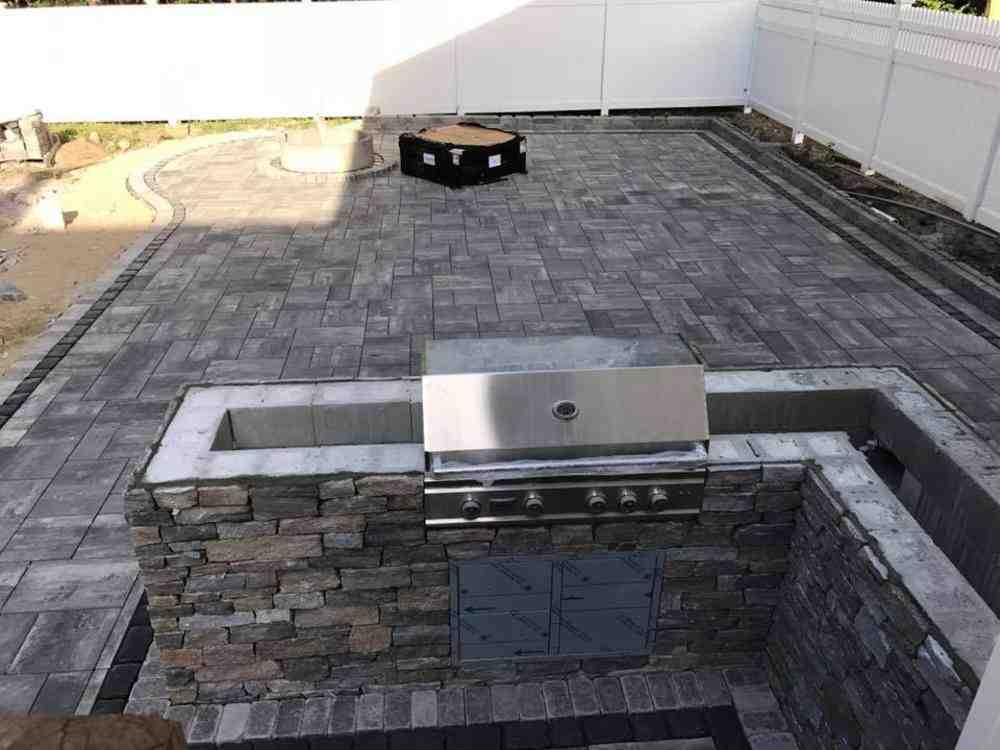
How to Build a Retaining Wall with Concrete Blocks 1Easy
Why Building a Retaining Wall is Worth Your Time and Effort
How to build a retaining wall with concrete blocks is a rewarding DIY project. Here’s the quick overview:
- Plan and prepare – Mark layout, excavate trench, call 811 for utilities
- Build the foundation – Add 6 inches of compacted gravel base
- Install first course – Bury blocks halfway, ensure perfect level
- Stack subsequent courses – Stagger joints, backfill with gravel
- Add drainage – Install perforated pipe and landscape fabric
- Finish with caps – Secure top course with construction adhesive
Retaining walls are valuable additions to any property. They control soil erosion, create usable flat space for gardens or patios, and add significant aesthetic appeal. Landscape redesigns can even see an average of 105 percent value recovery, and 75 percent of homeowners report an increased desire to be home after completion.
These concrete block walls are popular because they’re DIY-friendly and durable. Interlocking blocks can be stacked without mortar for walls up to 24-36 inches high, featuring lips that lock them together. Many are tapered to easily create curves.
The project requires physical effort, as blocks can weigh up to 80 pounds, but proper planning is key. A solid, level foundation is critical; errors in the first course will compound with each layer.
I’m Sal Musto, owner of SalCorp Landscaping & Construction. For over two decades, I’ve helped Massachusetts homeowners improve their outdoor spaces. I’ve learned that understanding how to build a retaining wall with concrete blocks properly from the start prevents costly failures and ensures lasting results.
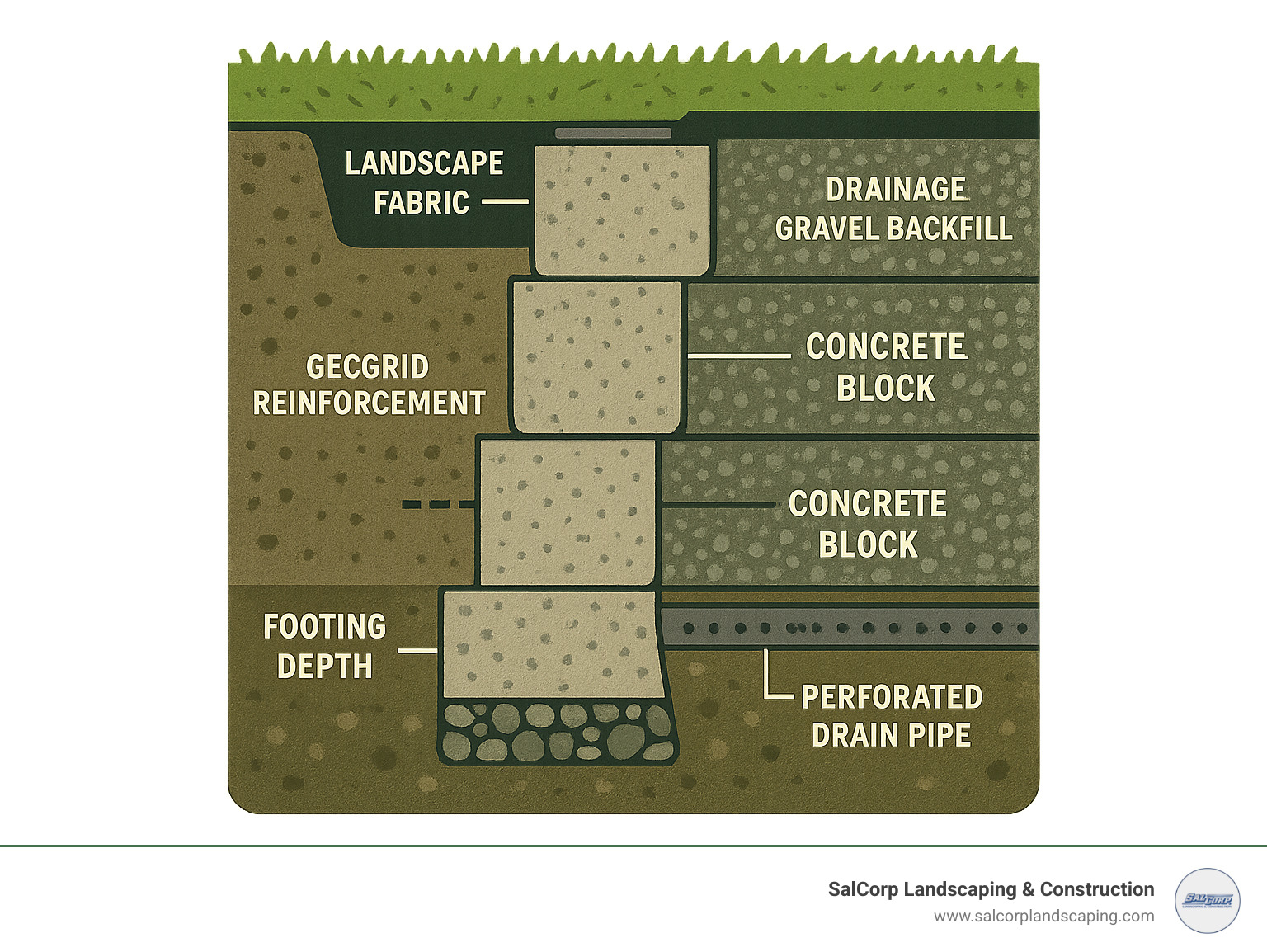
Handy how to build a retaining wall with concrete blocks terms:
Before You Dig: Planning and Preparation for Your Retaining Wall
Proper planning is the foundation for success. Jumping straight into digging often creates more problems than it solves, so a little preparation saves a lot of back-breaking work.
How to build a retaining wall with concrete blocks starts with defining its purpose. Are you stopping erosion, creating a level patio area, or saving your garden from washing away? Your goal will guide decisions about height, length, and design, including whether to add curves.
Next, address the serious stuff. Check local building codes. In Massachusetts communities like Walpole and Canton, walls over 3 or 4 feet often require permits and engineering approval. A quick call to your building department prevents the costly mistake of having to tear down and rebuild.
Before breaking ground, call 811 for utility marking. This free service marks underground gas, water, and electrical lines. Hitting a utility line is dangerous and expensive, so don’t skip this free call. Essential safety gear includes sturdy work gloves, safety glasses, and a dust mask, as blocks are heavy and masonry dust is harmful to breathe.
Landscape redesigns also add significant value. According to a recent study by the National Association of Realtors, these projects have an average of 105 percent value recovery, and 75 percent of homeowners report wanting to spend more time at home afterward. For more inspiration, see our guide on hardscape design.
Choosing Your Concrete Blocks and Materials
Interlocking concrete blocks are best for DIY projects. Their lipped design locks them together without mortar or rebar, making them ideal for walls up to 24-36 inches high. Standard CMUs (concrete masonry units) are another option but require mortar and are better suited for taller, structural walls.
To calculate your block quantity, measure the wall’s total length and divide by the block length (e.g., 16 inches). Then, divide your desired height by the block thickness (e.g., 6 or 8 inches) to find the number of courses. Multiply these numbers and buy 10% extra to account for cuts and breakage.
You’ll also need paver base for a stable foundation, crushed drainage gravel (not smooth river rock) for backfill, landscape fabric to prevent clogging, a 4-inch perforated drain pipe, and construction adhesive for the cap blocks.
Essential Tools for the Job
Having the right tools is crucial. You’ll need a shovel, a hand tamper (or rent a plate compactor for large walls), a torpedo level and a 4-foot level, a rubber mallet, measuring tape, stakes, and mason’s line. For cutting blocks, use a masonry chisel or a circular saw with a diamond blade. A wheelbarrow is essential for moving materials, and don’t forget your safety glasses and gloves.
Step-by-Step Guide: How to Build a Retaining Wall with Concrete Blocks
Now for the exciting part: building the wall. How to build a retaining wall with concrete blocks is a methodical process where each step builds on the last. The key to a long-lasting wall is a perfect foundation and proper drainage, preventing the leaning I’ve seen in many DIY projects.
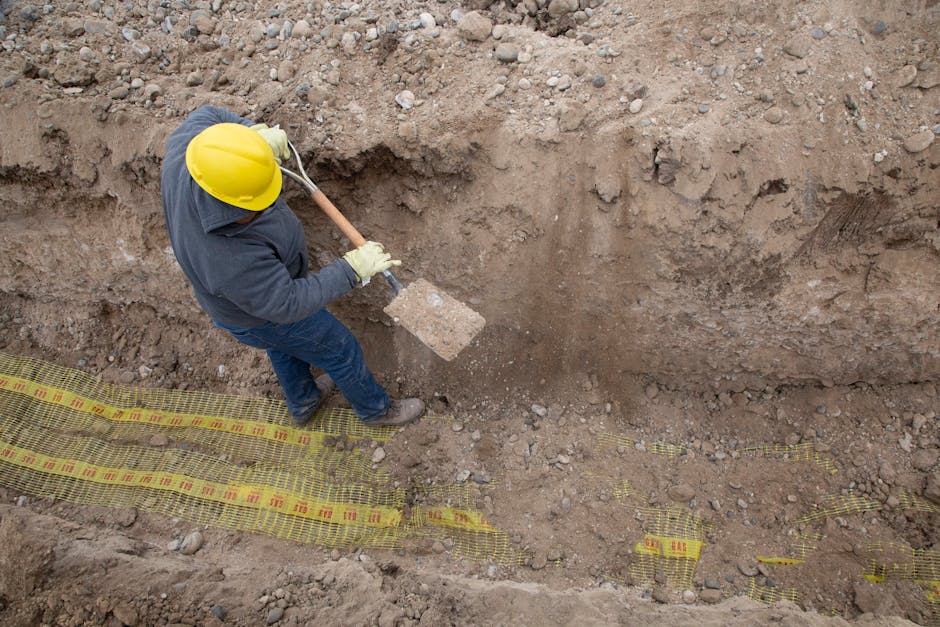
The success of your project depends on getting the first course absolutely perfect. Any unevenness in the bottom row will multiply with each course you add. Many homeowners try to eyeball the first course, but your level is a much more reliable tool than your instincts.
For more details on site prep, see our guide on The Importance of Excavation in Landscaping and Hardscaping.
Step 1: How to Prepare the Site and Dig a Proper Foundation
Start by marking your wall’s location with stakes, mason’s line, and spray paint (especially for curves). Allow at least 12 inches of space behind the wall for drainage and another 12 inches in front for workspace.
Now, the digging begins. Your trench should be 4 to 6 inches deep for walls up to 3 feet, plus an extra 10% of the wall’s total height for burying the first course. The trench width should be at least twice the width of your blocks.
On a slope, create a stepped foundation by digging level sections that step up or down with the grade. Each section must be perfectly level.
Once dug, compact the soil with a hand tamper until it’s firm. Then, spread and tamp about 6 inches of crushed gravel (paver base) until it’s solid and level.
Step 2: How to Build a Retaining Wall with Concrete Blocks: The First Course
Patience here is crucial, as your entire wall is only as good as this first course. The goal is to lay the first row of blocks perfectly level, with about half the block’s height buried.
Start at the lowest end of your trench on a slope. Place the first block, check it with a torpedo level (front-to-back and side-to-side), and adjust by tapping with a rubber mallet or adding/removing base material.
Continue laying blocks, using your mason’s line as a guide. For interlocking blocks, you may need to remove the lip from the first course with a hammer and chisel so they sit flat. Every block in this first course must be perfectly level with its neighbors. Use a 4-foot level across multiple blocks to verify.
Step 3: How to Build a Retaining Wall with Concrete Blocks: Subsequent Courses and Caps
With a perfect first course, the rest is more straightforward.
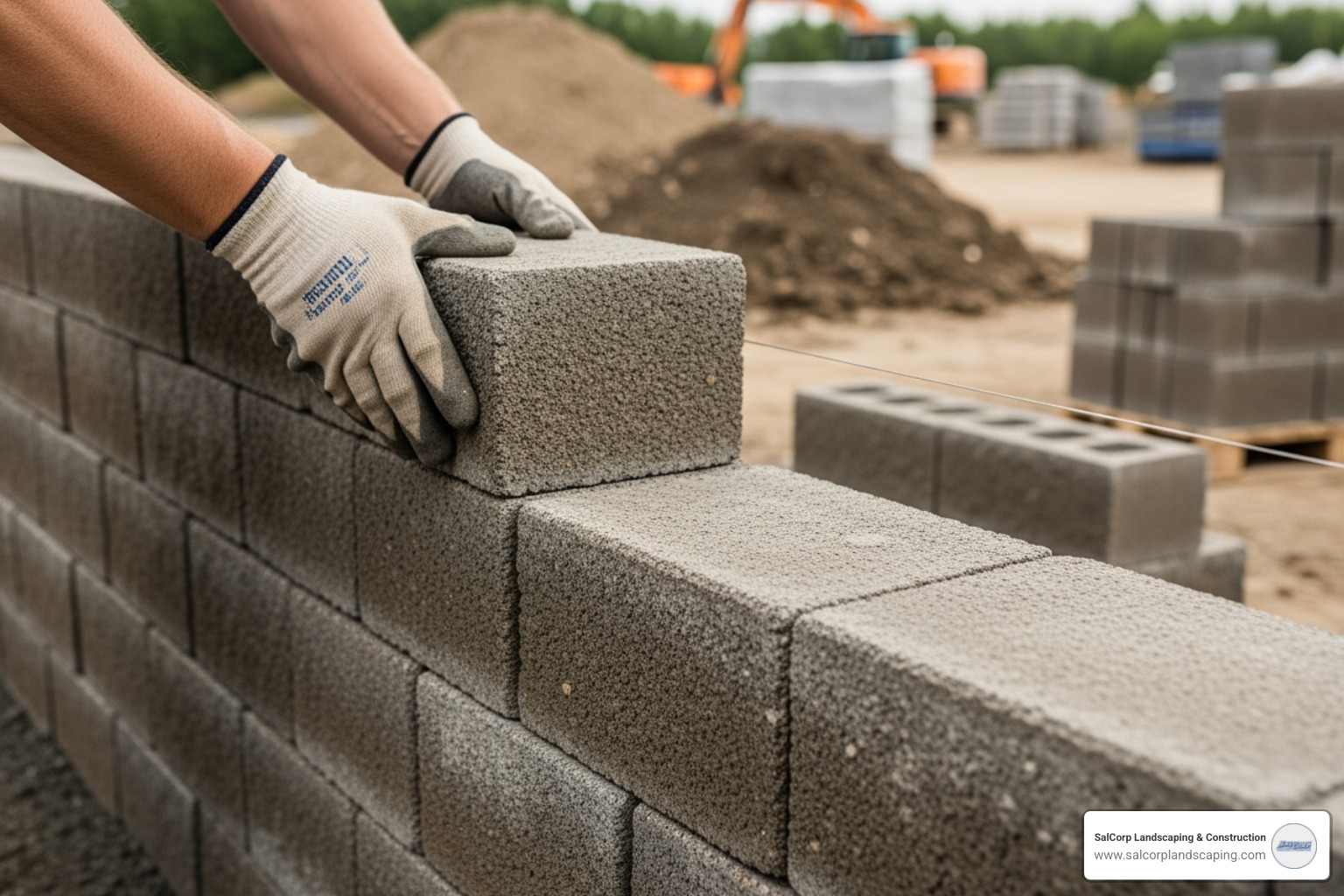
Staggering your joints is critical for strength. Start every other course with a half-block. To cut blocks, score all four sides with a masonry chisel and hammer, then strike it sharply. An angle grinder with a diamond blade offers faster, cleaner cuts (wear safety gear).
Before placing each new block, sweep the previous course clean. Even a small pebble can throw off the level. Place each block snugly, ensuring it’s level and seated. Most interlocking blocks have a built-in lip that creates a natural setback, angling the wall into the hillside for support.
After every second row, backfill behind the wall with about 6 inches of crushed gravel and tamp it by hand. Continue this rhythm: two courses, backfill, repeat.
For the finish, cap blocks provide a polished look. Clean the top course, apply a bead of construction adhesive, and place the cap blocks, often with a slight overhang. Let the adhesive cure before final backfilling.
Ensuring Longevity: Drainage, Reinforcement, and Finishing Touches
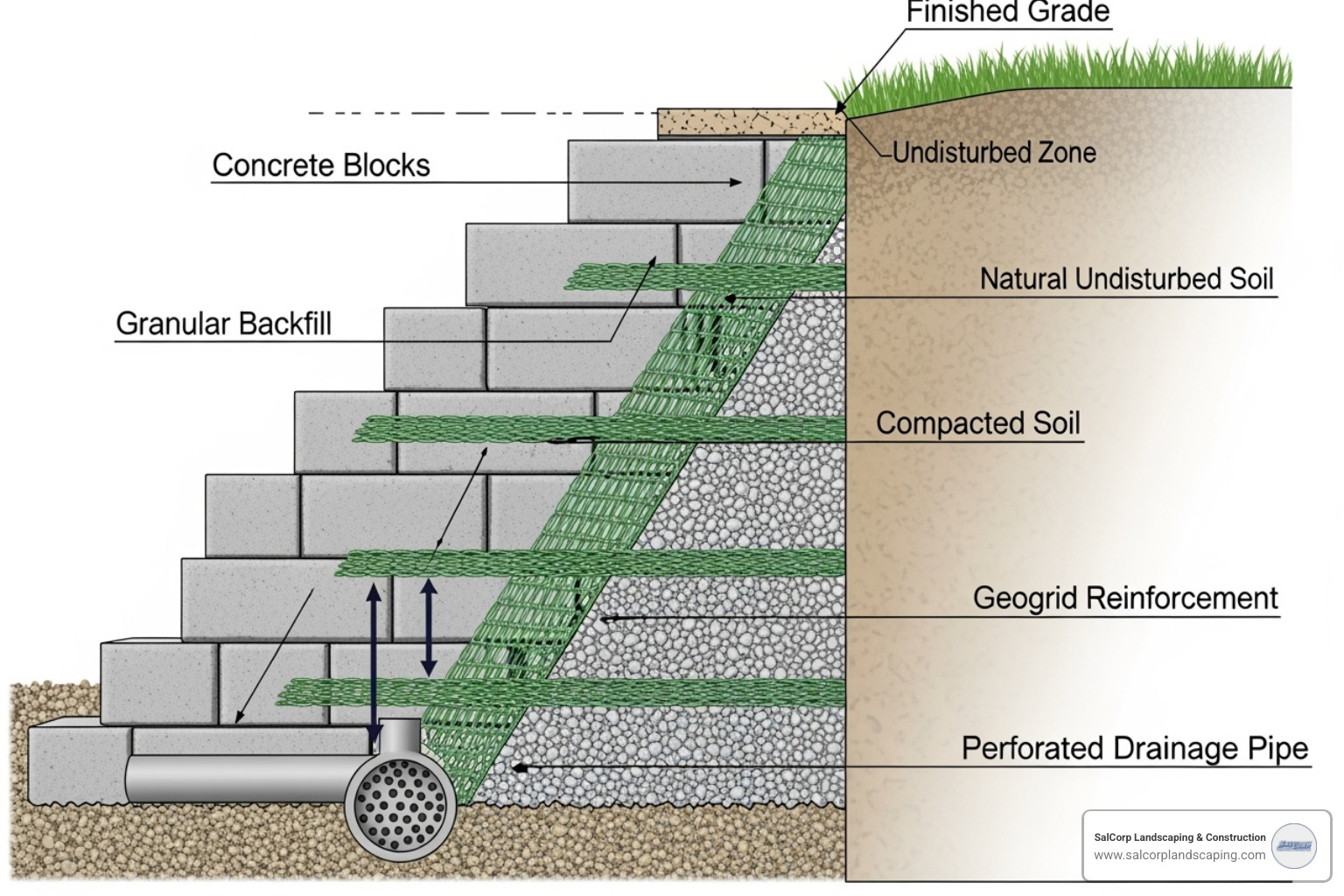
Your wall constantly fights soil and water pressure. When soil gets saturated, hydrostatic pressure builds up like a battering ram, causing bulging, leaning, or failure. Many DIY walls fail from poor drainage. Fortunately, proper drainage and reinforcement are straightforward. For more insights, see our guide on retaining wall installation.
The Critical Role of Drainage and Backfill
Water management is critical. You need a system to capture and move water away from the wall.
Start with a perforated drain pipe (4-inch diameter) behind the first course of blocks. Wrap it in filter fabric to prevent clogging and slope it about 1/8 inch per foot to a safe outlet.
The drainage gravel backfill creates a fast-draining zone. Use crushed gravel for at least 12 inches behind the wall, up to within 6 inches of the top. Its angular edges lock together, providing support.
Landscape fabric separates the drainage gravel from the native soil, preventing clogs. Install it behind the wall before adding gravel, then fold it over the top of the gravel.
Compact the backfill in thin layers (3–4 inches) with a hand tamper. For the final layer of backfill, use well-draining soil, not heavy clay.
Adding Strength with Geogrid Reinforcement
For walls over 3–4 feet tall or on challenging soil, geogrid reinforcement is essential.
Geogrid is a strong synthetic mesh that creates a reinforced soil mass behind the wall, dramatically increasing stability. Instead of relying only on the blocks’ weight, the geogrid locks into the soil, holding it together. You can learn more about the engineering principles behind geogrids in this concise geogrid overview.
Use geogrid for walls over 4 feet, on soft soils, or when there’s extra weight (like a driveway) above the wall.
Install geogrid as you build. Lay it over the gravel backfill, with the front edge against the back of your blocks, extending 3–4 feet into the soil. Pull it taut, lay the next course of blocks on top to secure it, and continue backfilling. Reinforcement is typically needed on every other course, but always follow the block manufacturer’s specifications.
Frequently Asked Questions About Building a Concrete Block Wall
Over the years, I’ve noticed homeowners ask similar questions when they’re considering a DIY retaining wall project. Let me share the answers to the most common ones we hear at SalCorp Landscaping & Construction.
How high can I build a DIY retaining wall?
The safe height for a DIY wall depends on several factors. For interlocking concrete blocks, you can typically build walls 24 to 36 inches high without needing engineering. These blocks are designed to work together, making them ideal for beginners.
However, most municipalities require building permits for walls over 3 or 4 feet tall. Taller walls face significantly more soil pressure and require precise engineering, including geogrid reinforcement. I always advise homeowners in Massachusetts communities like Walpole or Canton to check with their local building department first to avoid code violations.
How much does it cost to build a retaining wall?
The cost varies, but building it yourself saves substantially on labor.
Based on data from sources like Angi, professional retaining wall projects average around $6,000, but costs can range from $3,000 to over $18,000 depending on size, complexity, and site conditions. By tackling how to build a retaining wall with concrete blocks yourself, you can save $15 to $50 per square foot in labor. Please note, these are average costs based on internet data and not actual costs for SalCorp Landscaping & Construction.
Factors affecting the price include wall size, block type, site accessibility, and drainage needs. Materials often represent 40-60% of a professional installation cost, so DIY offers significant savings.
How do you fix a leaning or failing retaining wall?
A leaning wall is a warning sign that needs immediate attention. Poor drainage is the most common cause of failure, as water buildup creates immense hydrostatic pressure. Other culprits include an inadequate foundation, missing reinforcement on tall walls, or improper backfill.
For walls with significant leaning or bulging, rebuilding is often the safest solution. This allows for fixing the root cause by installing proper drainage, a better foundation, and geogrid reinforcement.
Minor issues can sometimes be repaired. A French drain can relieve water pressure, and tiebacks can add support. However, if your wall is over 3-4 feet tall or shows serious structural problems, consult a professional. The cost of an evaluation is minimal compared to the risk of property damage. For more information, visit our More info about Masonry section.
Conclusion: Enjoy Your New, Sturdy Retaining Wall
Congratulations on completing one of the most rewarding DIY projects. Learning how to build a retaining wall with concrete blocks is about creating a functional, beautiful structure that will serve your family for decades. Your new wall will control erosion, create usable space, and add real value to your property.
The sense of accomplishment is immense; industry research shows 79 percent of homeowners feel this way after a landscape redesign. You’ve made a smart investment that increases both your home’s value and your family’s enjoyment of your outdoor space.
However, for complex projects or walls over 4 feet, professional expertise is essential. The engineering, permits, and structural needs for taller walls require specialized knowledge. At SalCorp Landscaping & Construction, we understand that not everyone can tackle major hardscaping projects.
Based in Walpole, Massachusetts, we have helped homeowners transform their outdoor spaces for over 20 years. As an owner-operated business with our own machinery, we bring personal attention and professional equipment to every job. Whether you’re planning a complex retaining wall system or need repairs, our team has the experience to deliver lasting results.
If your project seems too ambitious for a DIY approach, or you prefer the peace of mind of professional installation, we’re here to help. Contact a professional retaining wall contractor for a consultation with SalCorp Landscaping & Construction today. We’re ready to help you transform your outdoor space.