

How to Care for Hydroseeded Lawn: Top 5 Essential Tips

How to care for hydroseeded lawn can seem challenging at first, but with a little guidance, you’ll have a lush, green yard in no time. Here’s what you need to know upfront:
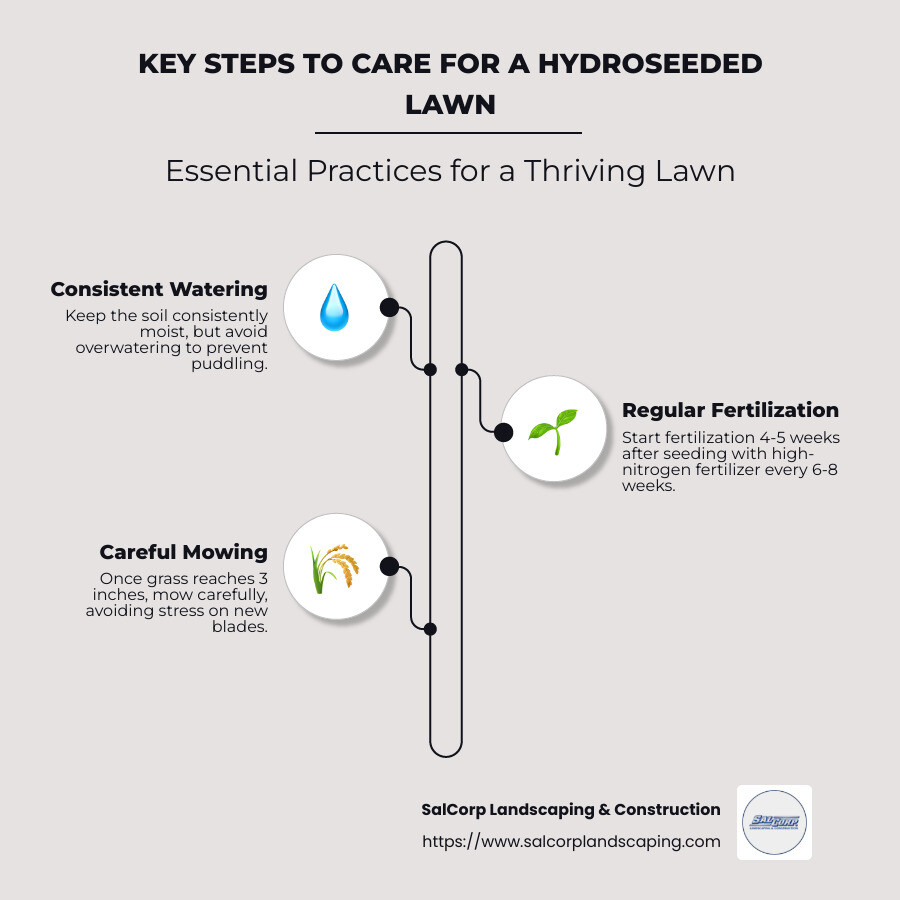
- Watering: Keep the soil consistently moist but avoid overwatering to prevent puddling.
- Fertilizing: After 4-5 weeks, start a regular fertilization schedule with high-nitrogen fertilizer every 6-8 weeks.
- Weeding: Mow high to control weeds until your lawn establishes enough to tolerate weed control products.
- Mowing: Once grass reaches 3 inches, mow carefully, taking care not to stress the new blades.
Most importantly, patience is key. Allow your lawn the time it needs to establish itself fully.
I’m Sal Musto, and I’ve spent over two decades perfecting landscapes with SalCorp Landscaping & Construction in Massachusetts. Guiding homeowners and property managers in how to care for hydroseeded lawn has been a significant part of my journey. This experience ensures that you receive the best advice, helping your lawn thrive now and in the future.
How to care for hydroseeded lawn vocab to learn:
– grass hydroseeding
– hydro grass seed
– spray on grass seed
Initial Care for Hydroseeded Lawns
Taking care of a newly hydroseeded lawn is crucial for its success. Let’s explore some essential tips to help your lawn thrive from the start.
Watering Schedule
Proper watering is key to germination. For the first two weeks, water your lawn every day. Aim for early morning and late afternoon to avoid the heat of midday, which can cause water to evaporate too quickly.
- Early Morning: This is the best time to water. It allows the soil to absorb moisture before the sun gets too hot.
- Late Afternoon: Watering at this time helps keep the soil moist overnight, promoting germination.
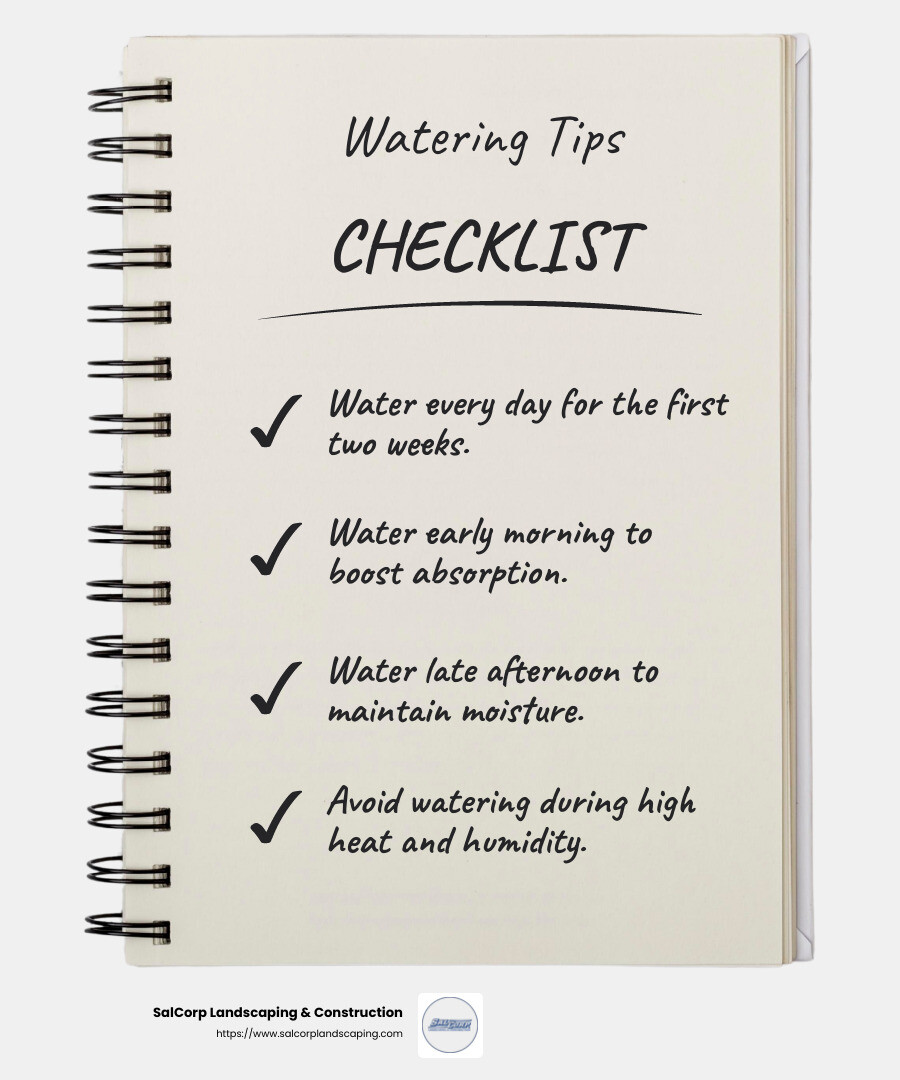
Avoid watering when temperatures exceed 85°F with high humidity. This can harm the grass by “cooking” it and inviting fungus.
Mulch and Soil Management
The mulch applied during hydroseeding plays a critical role in moisture retention and seed protection. Here’s how to manage it effectively:
- Mulch Drying: Allow the mulch to dry before the first watering. This usually takes about a day. Dry mulch helps form a protective crust.
- Avoid Puddling: Too much water can lead to puddling, which prevents seeds from germinating properly. Adjust your watering to keep the soil moist, not soaked.
- Soil Moisture: Consistent soil moisture is vital. Use a simple touch test—if the soil feels dry, it’s time to water.
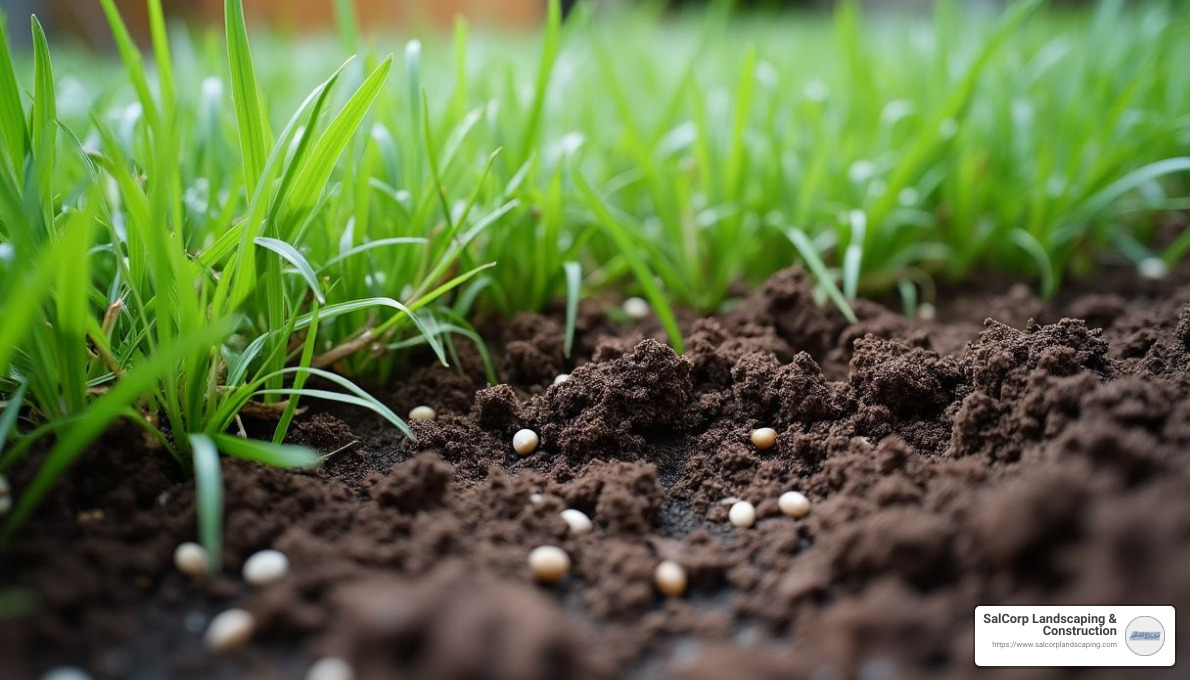
Keeping these tips in mind will set a strong foundation for your lawn. With careful attention to watering and mulch management, your hydroseeded lawn will be on its way to becoming the lush, green landscape you envision.
Mowing Your Hydroseeded Lawn
Mowing is a vital part of how to care for hydroseeded lawn. It’s not just about cutting grass; it’s about nurturing a healthy lawn.
When to Mow
Timing is essential for your first mow. Wait until the grass reaches about 3 inches in height. This ensures the grass is strong enough to withstand mowing without damage.
- Grass Height: Aim for the grass to be 3 inches tall before mowing. This height helps the blades develop a robust root system.
- Dry Conditions: Mow when the grass is dry. Wet grass can clump and lead to uneven cutting, which stresses the lawn.
- Mower Settings: Set your mower to its highest setting for the first few cuts. This helps protect the young grass from stress and disease.
Mowing Techniques
Using the right technique can make a big difference in lawn health. Here are some tips to keep in mind:
- Sharp Blades: Ensure your mower blades are sharp. Dull blades tear the grass instead of cutting it cleanly, leading to disease and stress.
- Gradual Cutting: Never cut more than ¼ inch off the top of the grass. This gradual approach allows the grass to adjust and thrive.
- Clipping Disposal: Leave grass clippings on the lawn. They decompose quickly and return valuable nutrients to the soil, promoting healthy growth.
By following these mowing tips, you’ll help your hydroseeded lawn grow strong and vibrant. Next, we’ll explore fertilizing to keep your lawn lush and green.
Fertilizing Your Hydroseeded Lawn
Fertilizing is a key step in how to care for hydroseeded lawn. It helps ensure your lawn gets the nutrients it needs to thrive.
Initial Fertilizer Application
When it comes to newly hydroseeded lawns, timing and the right type of fertilizer are crucial. Starter fertilizers are your best friend here. These contain high amounts of nitrogen and phosphorus, essential for developing a lush, green lawn and a resilient root system.
- Application Timing: Apply the starter fertilizer shortly after hydroseeding. This gives the grass the nutrients it needs right from the start.
- Nutrient Types: Look for fertilizers high in nitrogen and phosphorus. These nutrients are vital for root development and overall plant health.
Following the initial application, your lawn will be set up for strong growth. But don’t stop there—ongoing nutrition is just as important.
Ongoing Nutrition Management
Once your lawn is established, maintaining its health requires regular fertilization. A consistent schedule will keep your grass growing strong and vibrant.
- Regular Schedule: Plan to fertilize your lawn about once a month. This keeps the nutrient levels balanced and supports continuous growth.
- Fertilizer Types: As your lawn matures, switch to a balanced fertilizer. This ensures that your grass receives a mix of nitrogen, phosphorus, and potassium.
- Application Techniques: Use a spreader for even distribution of the fertilizer. Uneven application can lead to patchy growth and nutrient imbalances.
By following these fertilization tips, you’ll ensure your hydroseeded lawn remains healthy and beautiful. Next, we’ll tackle common challenges like weeds and diseases to keep your lawn in top shape.
Addressing Common Challenges in Hydroseeded Lawns
Keeping your hydroseeded lawn lush and healthy isn’t just about watering and fertilizing. It’s also about tackling weeds and preventing diseases.
Weed Management
Weeds love to crash the party in new lawns. They grow fast and can take over if not managed properly. Here’s how to keep them at bay:
- Mowing Strategy: Set your mower at its highest setting to trim weeds before they go to seed. This helps your grass grow thicker and naturally choke out the weeds.
- Herbicide Use: Hold off on using weed killers until your grass has been mowed at least three or four times. This gives your lawn time to establish itself.
- Natural Solutions: Consider natural solutions like vinegar or boiling water for spot treatments. These can be effective against small weed patches without harming your grass.
Disease and Fungus Prevention
Diseases and fungi can sneak up on your lawn if you’re not careful. Here’s how to prevent them:
- Watering Practices: Avoid watering in the evening. Wet grass overnight can lead to mold and fungus. Instead, water in the early morning or late afternoon.
- Fungicide Options: If you notice signs of disease, like brown patches, consider using a fungicide. Choose one that’s safe for young grass and follow the instructions closely.
- Lawn Health Monitoring: Regularly check your lawn for signs of stress or disease. Catching problems early makes them easier to manage.
Weather can also impact your lawn’s health. Too much rain can cause diseases, while drought can stress your grass. Adjust your care practices based on the weather to keep your lawn thriving.
By managing weeds and preventing diseases, you’ll ensure your hydroseeded lawn stays healthy and green. Next, we’ll explore advanced tips for seasonal care and how professional services can make a difference.
How to Care for Hydroseeded Lawn: Advanced Tips
Keeping your hydroseeded lawn vibrant year-round requires a bit of planning and attention to seasonal changes. Here’s how to ensure your lawn thrives through every season:
Seasonal Adjustments
Summer Care
Summer can be tough on lawns, with high temperatures and less rain. Water deeply but infrequently to encourage deep root growth. Aim for early morning watering to minimize evaporation. Keep an eye out for signs of heat stress, like wilting or browning, and adjust your watering schedule accordingly.
Winter Preparation
In winter, grass growth slows, but that doesn’t mean you should ignore your lawn. Before the first frost, mow your lawn slightly shorter than usual to prevent disease. Clear away leaves and debris to avoid suffocating the grass. Consider applying a winter fertilizer to support root health during the colder months.
Fall Maintenance
Fall is a great time to give your lawn some extra attention. Aerate the soil to relieve compaction and improve air circulation. Overseed any bare patches to ensure a full lawn come spring. Apply a slow-release fertilizer to nourish your grass over the winter.
Professional Lawn Care Services
While DIY care can be rewarding, sometimes it’s best to call in the experts. SalCorp Landscaping & Construction offers customized care plans to suit your lawn’s specific needs. Our team can assist with:
- Expert Consultations: Get personalized advice on the best practices for your lawn’s unique conditions. Our experts can help you identify issues and suggest solutions custom to your yard.
- Customized Care Plans: We create care plans that factor in your lawn’s specific grass type, soil condition, and local climate. This ensures your lawn receives the right treatment at the right time.
- Long-term Strategies: Beyond seasonal care, we help you develop long-term strategies to keep your lawn healthy and beautiful for years to come.
Utilizing professional services can save you time and ensure your hydroseeded lawn remains in top condition, no matter the season.
Next, we’ll wrap up with a look at the sustainable benefits of hydroseeding and how you can maintain these gains over the long term.
Conclusion
Caring for a hydroseeded lawn is not just about ensuring it looks good today; it’s about investing in a sustainable and vibrant outdoor space for the long haul. Hydroseeding offers numerous benefits that contribute to both environmental sustainability and long-term lawn health.
Sustainability
Hydroseeding is an eco-friendly choice. The process uses a slurry mixture that helps control erosion and retains moisture, reducing the need for excessive watering. By choosing hydroseeding, you’re supporting a method that conserves water and nurtures the soil naturally, promoting a healthier ecosystem right in your backyard.
Long-term Benefits
The long-term benefits of a well-maintained hydroseeded lawn are numerous. A lush, green lawn can boost your property value and improve your outdoor living experience. With proper care, such as regular watering, mowing, and fertilizing, your lawn will thrive and remain resilient to weeds and diseases.
Regular maintenance and timely interventions ensure your lawn stays healthy through the seasons. The investment you make in the early stages of your lawn’s life pays off with a robust, beautiful lawn that requires less intensive care over time.
Contact Information
If you’re ready to take your lawn care to the next level, consider partnering with SalCorp Landscaping & Construction. We specialize in custom lawn care solutions that cater to your unique needs. Our expert team is here to guide you every step of the way, ensuring your hydroseeded lawn remains a source of pride and joy.
Reach out to us for a consultation and find how our services can help you maintain a sustainable and beautiful lawn for years to come. Whether you need a customized care plan or expert advice, we’re here to help you make the most of your outdoor space.
