Mulching and Edging Services: Best 2025 Guide
Lift Your Landscape with Mulching and Edging Services
Mulching and Edging Services transform your outdoor space, making it healthier and more attractive. These services involve two key parts:
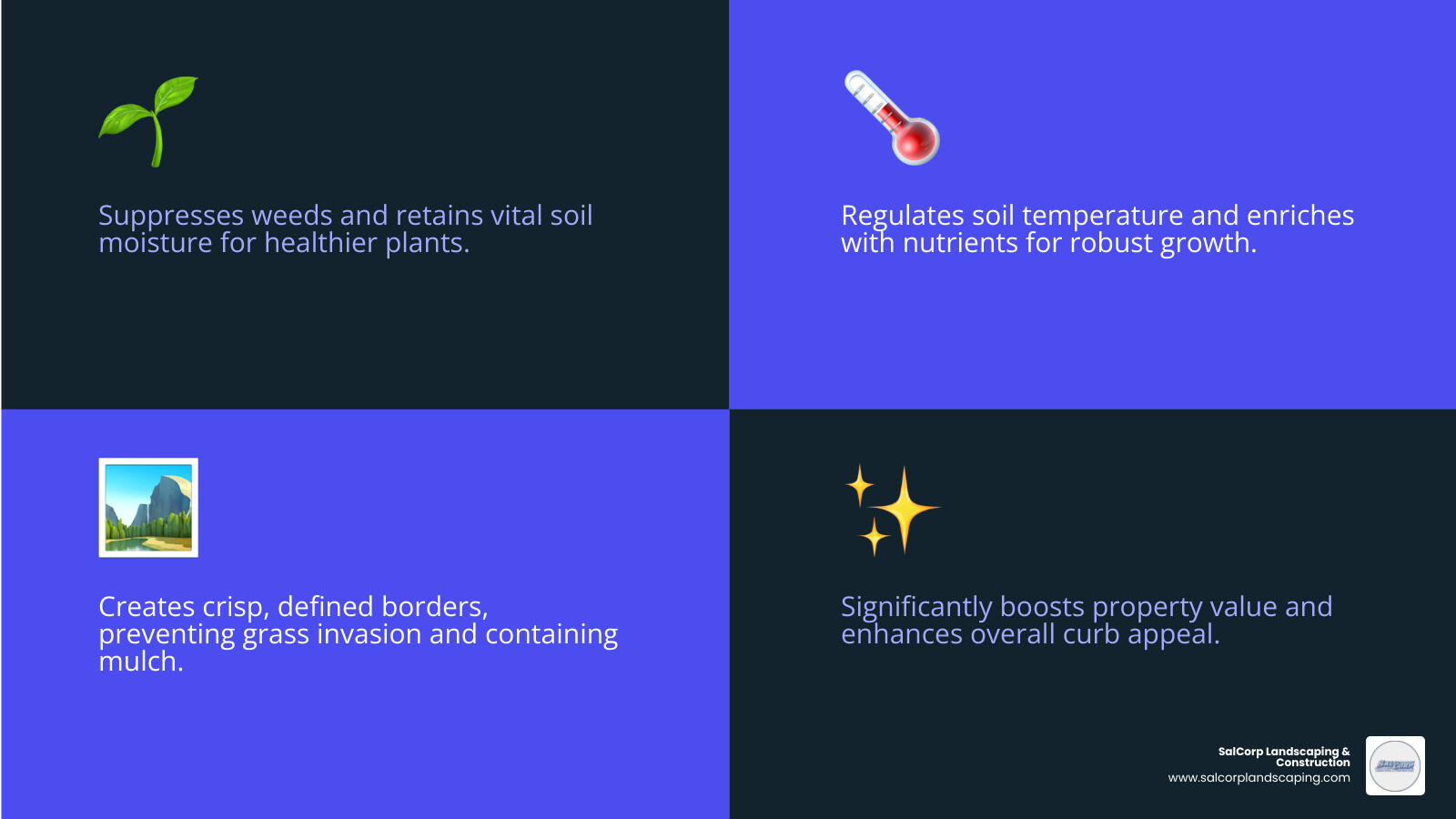
- Mulching: Applying a protective layer of material (mulch) to garden beds. This helps block weeds, hold soil moisture, keep soil temperatures steady, and add nutrients as organic mulch breaks down. It also gives your garden a polished look.
- Edging: Creating clear, sharp boundaries around garden beds and walkways. This defines your landscape, prevents grass from invading beds, keeps mulch contained, and improves your property’s curb appeal.
Together, mulching and edging are essential for maintaining a vibrant and tidy landscape. They reduce the need for constant weeding and watering, saving you time and effort while boosting the beauty and health of your plants.
As Sal Musto, owner of SalCorp Landscaping & Construction, I’ve spent over two decades helping property owners achieve these benefits through expert Mulching and Edging Services. My team and I are dedicated to delivering reliable, professional outdoor solutions.
The Dynamic Duo: Understanding Mulching and Edging
Proper Mulching and Edging Services have a significant positive impact on your property, creating a vibrant, healthy outdoor space that thrives. It’s more than just aesthetics; it’s about foundational landscape health. Let’s explore what each of these essential services brings to your garden.
What is Mulching? More Than Just a Pretty Topping
Think of mulch as a protective blanket for your garden beds. It’s a layer of material applied to the soil surface that offers a host of benefits for your plants and soil.
- Soil and Plant Health: Mulch acts as a protective layer, shielding topsoil from erosion caused by sun and rain. For organic mulches, there’s the added bonus of nutrient enrichment; as the material breaks down, it releases vital nutrients into the soil, improving fertility and structure.
- Easier Maintenance: One of mulch’s most celebrated benefits is its weed-suppressing capability. By blocking sunlight, it prevents weed seeds from sprouting, which means less time spent on weeding. Mulch is also a champion of moisture retention, slowing evaporation so your soil stays hydrated longer, reducing the need for frequent watering.
- Protection and Aesthetics: Mulch provides temperature regulation, insulating soil to keep it cooler in the summer and protecting roots from frost in the winter. This stable environment promotes healthy root development. Of course, a fresh layer of mulch also provides incredible aesthetic appeal, giving your landscape a polished, professional look with rich color and texture.
When possible, we recommend bulk mulch. It’s more cost-effective for larger areas and environmentally friendly—every cubic yard of bulk mulch keeps about 13 plastic bags out of landfills.
Want to learn more about how we protect your soil and plants? Feel free to explore our comprehensive mulching services.
What is Garden Bed Edging? The Secret to a Crisp Landscape
If mulching is the blanket, garden bed edging is the crisp border that completes the look. Edging creates clean, sharp lines between your garden beds, lawn, and walkways, defining your landscape.
The primary benefit is the neat appearance it provides, instantly improving curb appeal. Beyond looks, edging is a powerful tool for weed control, acting as a physical barrier to prevent grass from creeping into your garden beds. It also does an excellent job of containing mulch, keeping it from spilling onto lawns and paths, which ensures the mulch stays where it can do its job.
For our commercial clients, where curb appeal and maintenance efficiency are paramount, our specialized commercial edging services are particularly transformative, creating a professional look that makes a lasting impression.
Choosing Your Materials: A Guide to Mulch and Edging Options
Ready to improve your garden beds with Mulching and Edging Services? Choosing the right materials is key to creating a landscape that shines for years to come.
The Great Mulch Debate: Organic vs. Inorganic
Mulch falls into two main categories: organic and inorganic. Each has unique properties suited for different landscaping goals.
Organic mulches are made from natural materials like shredded bark, wood chips, pine straw, or compost. Their greatest advantage is that they decompose over time, releasing vital nutrients into the soil. This process improves soil structure, aeration, and microbial life, promoting healthier plants. Because they break down, they typically need to be replenished annually.
Inorganic mulches are non-living materials like decorative stones, rubber mulch, or plastic sheeting. Their main benefit is longevity; they don’t decompose, so they rarely need replacement. This makes them ideal for a permanent, low-maintenance look. However, they do not add nutrients to the soil and can absorb and radiate heat, which may not be suitable for all plants.
Here’s a quick look to help you decide which mulch is right for your garden:
| Feature | Organic Mulch | Inorganic Mulch |
|---|---|---|
| Source | Wood, bark, leaves, compost, straw, cocoa hulls | Stone, rubber, plastic |
| Decomposition | Yes, breaks down over time | No, very long-lasting |
| Nutrient Value | Adds nutrients to soil as it decomposes | No nutrient addition |
| Soil Health | Improves soil structure, aeration, microbial life | Does not improve soil health |
| Moisture Reg. | Excellent moisture retention | Good moisture retention, but can retain heat |
| Temperature | Insulates soil, moderates temperature swings | Can absorb and radiate heat |
| Weed Control | Excellent, if applied at proper depth | Excellent, especially with landscape fabric |
| Maintenance | Needs annual replenishment | Low maintenance, rarely needs replacement |
| Cost | Generally lower initial cost (bulk) | Higher initial cost, but long-term savings |
| Aesthetics | Natural, earthy look, fades over time | Wide range of colors, textures, permanent look |
Defining the Line: Types of Landscape Edging
Choosing the right edging material involves balancing style, durability, and function. Here are some popular options:
- Natural Spade-Cut Edge: A classic, V-shaped trench that offers a seamless, natural look. It’s cost-effective but requires re-cutting each season to stay crisp.
- Plastic Edging: An affordable and flexible option popular for DIY projects. It’s easy to install and works well for curves but can become brittle and pop out of the ground over time.
- Metal Edging (Steel or Aluminum): Creates sharp, clean, and durable lines for a modern look. It’s long-lasting and excellent at containing materials but has a higher cost and can be tricky to install.
- Concrete Pavers or Blocks: Extremely durable and available in many styles, creating a strong, permanent border. They are labor-intensive to install and less suitable for tight curves.
- Brick Edging: A timeless choice that adds traditional charm. It’s durable and permeable but can be costly and labor-intensive to install properly.
- Rubber Edging: A flexible, durable, and safe option made from recycled materials. It’s easy to install and eco-friendly, though aesthetic options can be limited.
Choosing the right materials is a big step. Our team at SalCorp Landscaping & Construction can help you select the perfect fit for your property. Explore our landscape design services to see how we can bring your vision to life!
The Professional Process for Mulching and Edging Services
While DIY mulching is an option, a professional approach to Mulching and Edging Services ensures a beautiful, healthy, and long-lasting result. At SalCorp Landscaping & Construction, our process is carefully designed to handle every detail with expert care, from preparation to the final touches.
Step-by-Step: From Preparation to Perfection
Our professional method ensures your landscape receives the best possible treatment.
- Consultation and Assessment: We start by discussing your vision and assessing your existing landscape, including soil conditions and plant health. We’ll help you choose the mulch types, colors, and edging styles that best complement your property.
- Bed Preparation: This vital step involves clearing all landscape beds of weeds, debris, and old, compacted mulch. A clean bed gives your plants the best chance to flourish without competition for nutrients, water, and sunlight.
- Soil Amendment (Optional): Depending on your soil’s condition, we may recommend enriching it with organic matter. This replenishes nutrients and improves soil structure, creating a strong foundation for plant growth.
- Professional Edging: Using specialized equipment, our technicians create crisp, clean lines to define your garden beds. This not only looks great but also prevents grass from invading your beds. We take great care to avoid damaging shallow-rooted plants.
- Mulch Application: We apply your chosen mulch evenly and at the proper depth. A common mistake is creating “mulch volcanoes” by piling mulch against tree trunks and shrubs. We avoid this practice, as it can suffocate roots and promote disease.
- Final Cleanup: Our job isn’t finished until your property is spotless. We clear away all debris from the process and haul away yard waste, leaving you with a beautifully refreshed outdoor space.
Best Practices for Applying Mulch
Correct application is as important as selecting the right mulch. We adhere to these best practices:
- Recommended Depth: We apply a consistent mulch depth of 2 to 3 inches. This is the ideal thickness to suppress weeds, retain moisture, and regulate soil temperature without suffocating plant roots.
- Protecting Plant Stems: It is vital to keep mulch a few inches away from the base of plant stems and tree trunks. Piling mulch directly against them can trap moisture, inviting rot and pests.
- Even Distribution: Spreading mulch evenly across the bed prevents thin spots where weeds can emerge and avoids thick spots that can block water from reaching the soil.
For more detailed guidance, you can refer to trusted resources like hortnews.extension.iastate.edu/faq/how-deep-should-mulch-layer-be-around-trees-and-shrubs. Proper mulching is just one piece of the puzzle; for overall landscape vitality, consider our basic lawn care services as well!
DIY vs. Hiring a Professional Landscape Contractor
While the satisfaction of a DIY project is appealing, there are significant advantages to entrusting Mulching and Edging Services to professionals like SalCorp Landscaping & Construction.
The Benefits of Professional Mulching and Edging Services
Mulching and edging involve significant physical labor. Hiring a professional landscape contractor is often the most sensible choice for several reasons:
- Time Savings: A professional service can save you an entire weekend of hard work, from bed prep to hauling heavy materials.
- Expertise and Knowledge: With over 20 years of experience, we know the right mulch types and application depths for your specific plants and soil. We avoid common, harmful mistakes like “mulch volcanoes.”
- Professional Equipment: Our team uses commercial-grade edgers and other machinery for efficient, precise, and high-quality work. As an owner-operated business, we have our own equipment, ensuring no delays.
- Quality Materials: We have access to high-quality bulk mulches that may not be available or cost-effective for homeowners, ensuring better performance and appearance.
- Avoiding Common Pitfalls: We ensure every step—from bed preparation to application—is done correctly for a polished finish and healthier plants.
- Guaranteed Results: Reputable contractors stand by their work. With SalCorp, you get the peace of mind that comes with a team dedicated to your satisfaction.
As an owner-operated business, we take pride in every project. Learn more about the advantages of hiring a dedicated landscape contractor.
Understanding the Cost of Professional Services
The cost of professional Mulching and Edging Services depends on several factors. Please note: these are average costs based on internet data and not actual costs for SalCorp Landscaping. For a precise quote for your property, please contact us directly.
Key pricing factors include:
- Square Footage of Beds: Larger areas require more material and labor.
- Mulch Type: Premium or specialized mulches cost more per cubic yard.
- Condition of Existing Beds: Overgrown or weedy beds that require extensive prep will increase labor costs.
- Labor Costs: This covers the time and skill of our crew for preparation, application, and cleanup.
- Location: Costs can vary by region. Our pricing is competitive for the Massachusetts communities we serve.
Based on internet data, professional mulching can range from $50 to $150+ per cubic yard installed. Edging services may range from $1 to $10+ per linear foot, depending on the material. A full-service project for an average residential property could range from a few hundred dollars ($300-$700) for a small refresh to several thousand ($1,500-$7,000+) for large or complex installations.
To get a clear understanding of your project’s cost, please visit our page on mulching and edging costs or contact us for a personalized estimate.
Frequently Asked Questions about Mulching and Edging
Here are answers to some of the most common questions we receive about Mulching and Edging Services.
How often should I mulch my garden beds?
We recommend applying a fresh layer of mulch once a year, ideally in the spring. This timing is perfect for suppressing spring weeds, retaining moisture as temperatures rise, and giving your landscape a fresh, clean look for the growing season.
Organic mulches like wood chips break down over time, so an annual refresh is needed to maintain the proper depth and color. Inorganic mulches like stone are permanent and don’t need to be replaced, but they may require occasional cleaning or redistribution. The goal is to maintain a consistent mulch layer of 2-3 inches deep. If your beds look patchy or thin, it’s time for a refresh.
What is the best type of mulch for plant growth?
For promoting healthy plant growth, organic mulches are the best choice. As they decompose, they release valuable nutrients into the soil, improving its structure, aeration, and water-holding capacity. This creates an ideal environment for strong root development.
- Compost is excellent for a quick fertility boost.
- Shredded bark and wood chips break down more slowly, offering long-lasting benefits.
- Pine straw is a great choice for acid-loving plants like azaleas and rhododendrons.
While inorganic mulches are great for low-maintenance aesthetics, they don’t enrich the soil. For more insights, you can explore resources like this discussion: quora.com/What-type-of-mulch-is-the-best-for-plant-growth.
Do I need to remove old mulch before adding a new layer?
Not necessarily. In most cases, you don’t need to remove old organic mulch. However, you should assess the existing layer first.
- If the layer is matted or compacted: Gently rake it to break it up and improve air and water flow before adding a new layer.
- If the layer is too thick: If the mulch has built up to more than 3-4 inches, it’s best to remove some of the excess. Too much mulch can suffocate roots and cause other problems.
- If the layer is thin: If the old mulch has decomposed and the layer is less than 2 inches deep, you can simply apply a fresh top layer to bring it back to the recommended depth.
- If there are signs of disease or pests: In this case, it’s best to remove the old mulch entirely and start fresh to eliminate the problem.
Our team always assesses your beds to determine the best course of action, ensuring your new mulch application provides the maximum benefit to your landscape.
Conclusion: Lift Your Landscape with Expert Care
As we wrap up our chat about the incredible impact of mulching and edging, it’s clear these aren’t just chores; they’re investments in the beauty and health of your outdoor haven. Imagine garden beds that practically take care of themselves! That’s the magic of expert Mulching and Edging Services. Mulch acts like a natural shield, keeping pesky weeds at bay, locking in precious moisture, and ensuring your plant roots stay comfy no matter the weather. Meanwhile, expertly installed edging draws crisp, clean lines, keeping everything tidy and preventing your lawn from creeping where it doesn’t belong.

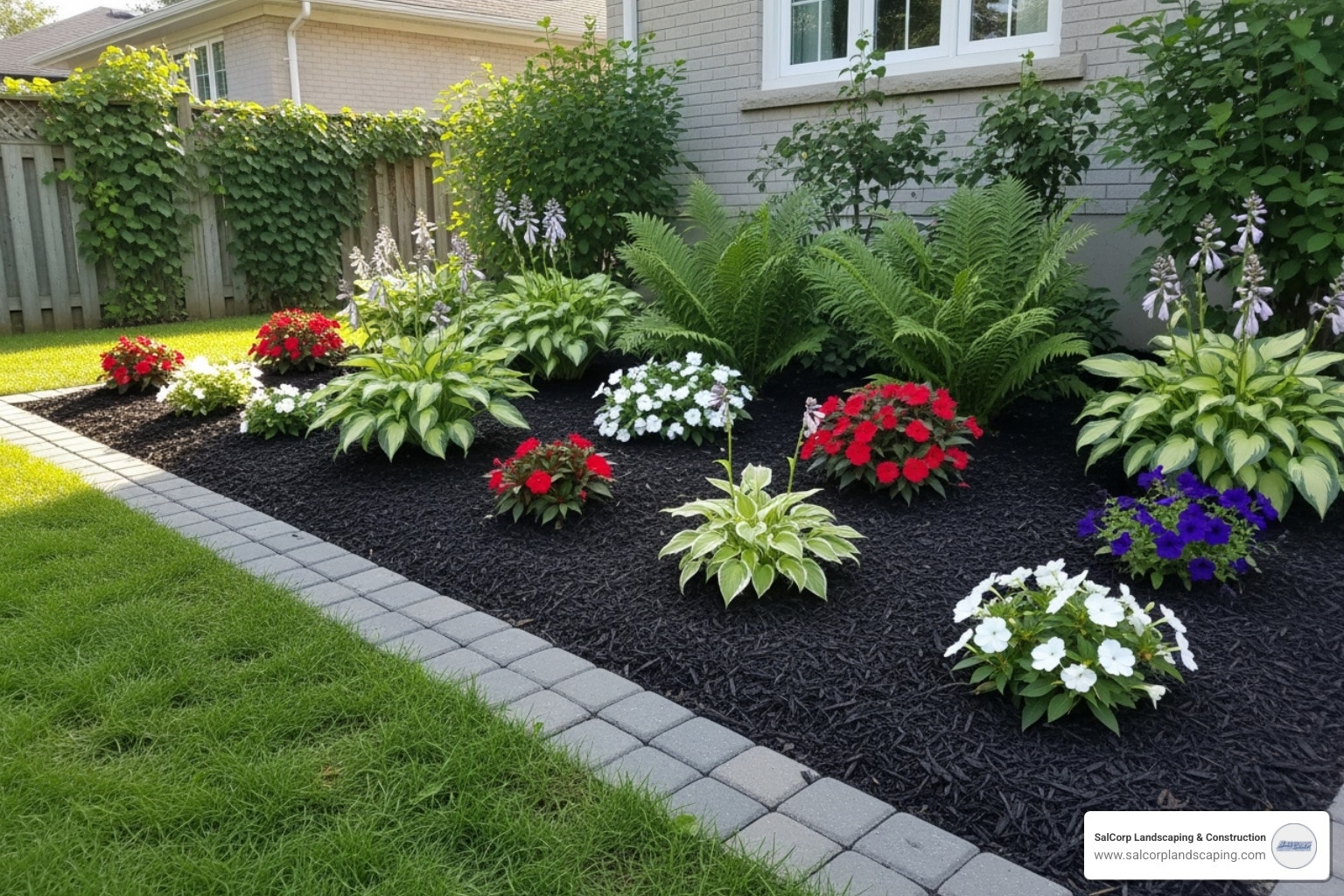
The result? Healthier plants that truly thrive, significantly reduced maintenance on your part, and an increased property value that makes your home or business stand out in Walpole, MA, and beyond. Your landscape will look as polished and inviting as the one you see here, truly a joy to behold.
While the thought of a DIY weekend project might be tempting, achieving truly professional results and enjoying all these benefits without the back-breaking work or common pitfalls takes more than just good intentions. It takes the right tools, deep knowledge, and a lot of hands-on experience. That’s where we come in.
At SalCorp Landscaping & Construction, we’re not just a company; we’re a dedicated, owner-operated team with over two decades of changing properties across Massachusetts. We bring our own top-of-the-line machinery and a passion for perfection to every job, ensuring you get comprehensive outdoor space solutions without any of the typical headaches.
Ready to trade garden guesswork for guaranteed gorgeousness? Let us help you open up the full potential of your property.
Get a quote for mulch delivery and installation today, and let’s craft the outdoor space you’ve always dreamed of.