

New Construction Landscaping: 10 Best Exciting Tips 2024
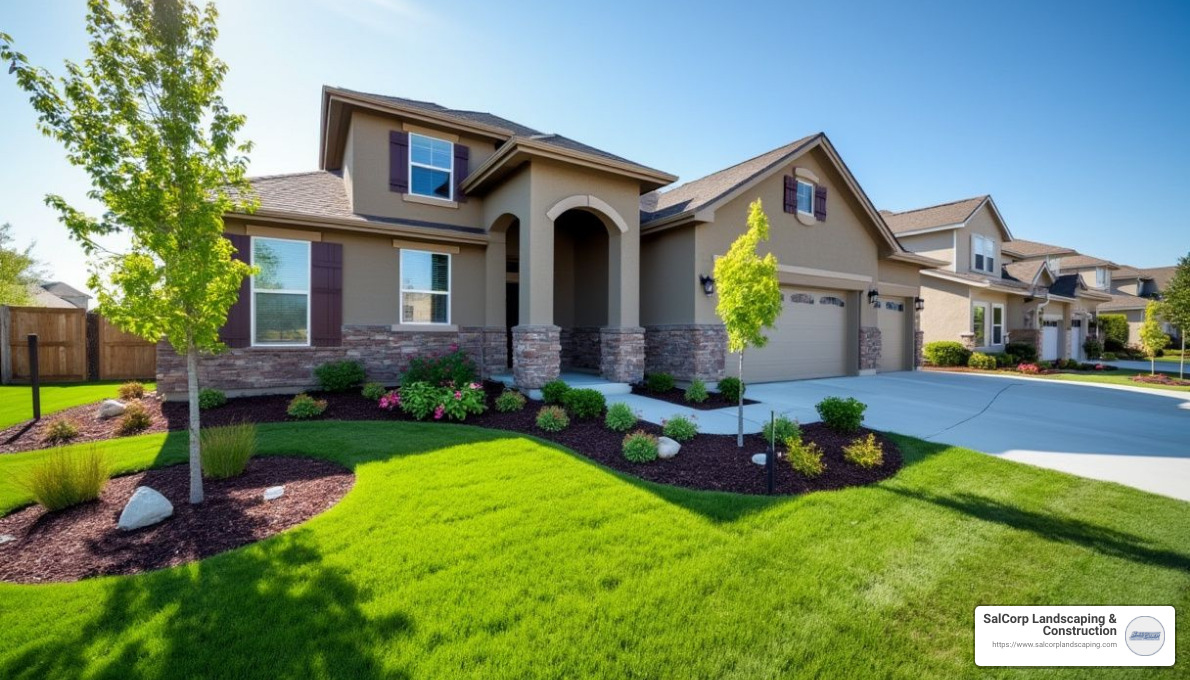
New construction landscaping is the finishing touch that transforms your new house into a home, offering a unique opportunity to create an outdoor space that truly mirrors your personal style. Imagine stepping into your new backyard for the first time and seeing the vibrant greens of native plants, the inviting paths winding through colorful flower beds, and the welcoming shade of well-placed trees. Here’s how you ensure success from the start:
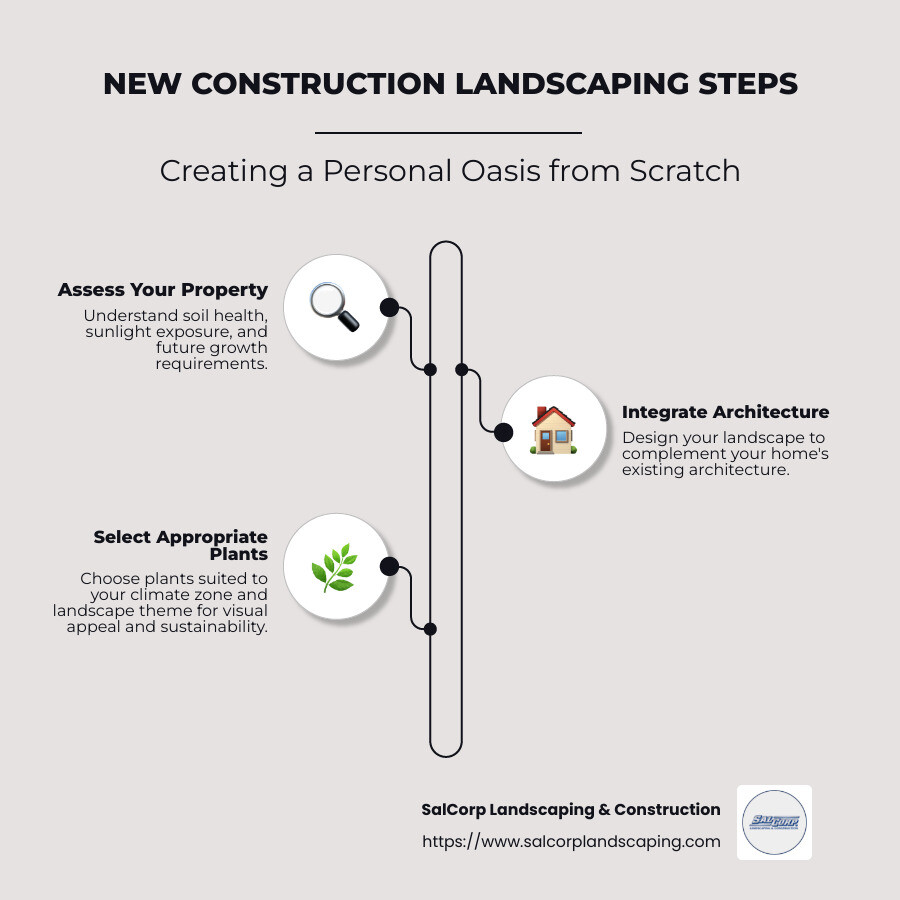
- Assess your property’s needs—consider soil health, sunlight exposure, and future growth.
- Integrate the architecture—make sure your landscape complements your home’s design.
- Choose wisely—select appropriate plants for your climate zone and landscape theme.
Creating this personal oasis doesn’t have to be overwhelming. With a thoughtful plan, you can design a landscape that not only improves your property’s aesthetic appeal but also offers practical, year-round functionality.
I’m Sal Musto, at the helm of SalCorp Landscaping & Construction with over 20 years of expertise in shaping beautiful landscapes. My journey in new construction landscaping has taught me the value of harmonizing a new home with its natural surroundings. Now, let’s dive into the planning phase of your landscaping project.
New construction landscaping terms to learn:
– landscape construction management software
– landscaping and construction
– what is landscape construction
Planning Your New Construction Landscaping
Understanding Your Space
Before planting or laying down any stones, it’s crucial to understand your space. Start by sketching a basic map of your property. This doesn’t need to be a masterpiece—just a simple drawing to help you visualize the layout.
Measure your lot and note down important features like property lines, utilities, and the position of your home. This helps avoid planting over utility lines or too close to your house.
Next, create a sun map. Spend a day observing how sunlight moves across your yard. This will help you decide where to plant sun-loving or shade-tolerant plants.
Consider using design software to refine your plan. Tools like iScape can help you visualize different layouts and make adjustments before breaking ground.
Choosing a Theme or Style
Deciding on a theme or style for your landscape will guide your plant and material choices. Here are a few popular styles:
- Formal: Characterized by symmetry and neat lines. Think manicured hedges and geometric flower beds.
- Informal: More relaxed and natural. Curved paths and mixed plantings create a cozy, welcoming feel.
- Xeriscape: Ideal for dry climates. Focuses on drought-tolerant plants to conserve water.
- Native: Uses plants native to your region. These plants are well-adapted to local conditions and require less maintenance.
By understanding your space and choosing a theme, you’ll create a cohesive and functional outdoor area that complements your new home. Whether you opt for the structured elegance of a formal garden or the eco-friendly appeal of a xeriscape, the right plan ensures your landscape thrives for years to come.
Preparing the Ground for Landscaping
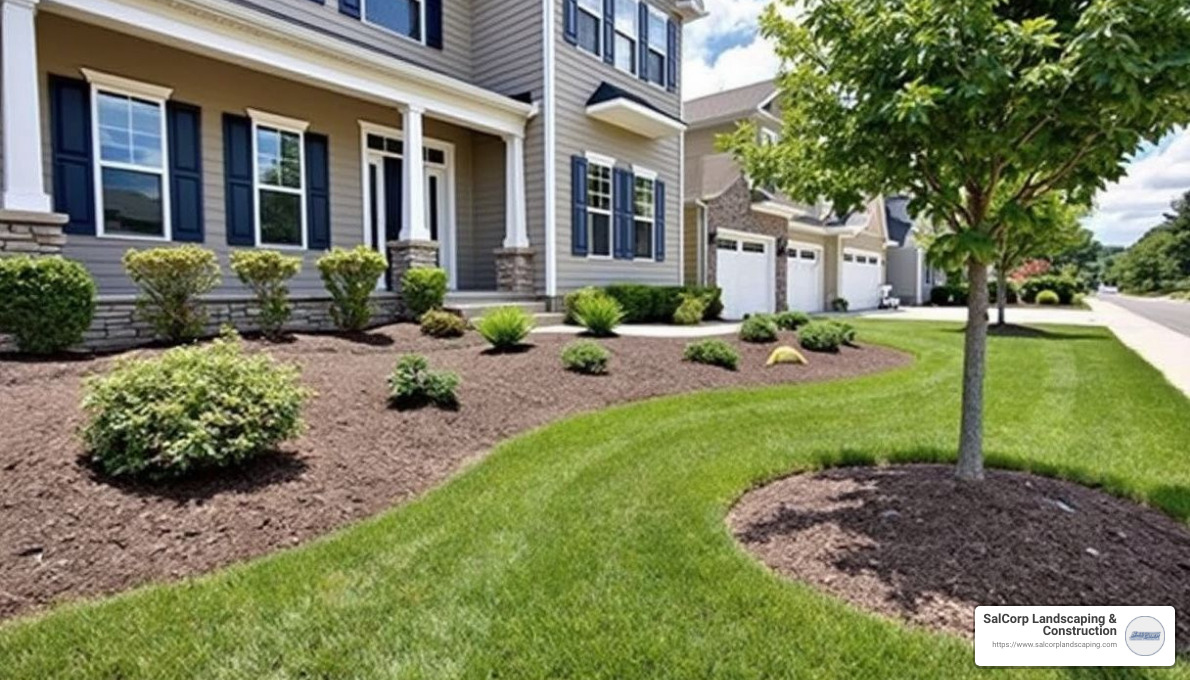
Once you’ve mapped out your space and chosen a theme, it’s time to prepare the ground for landscaping. This step is crucial to ensure your plants thrive and your landscape looks its best.
Amending the Soil
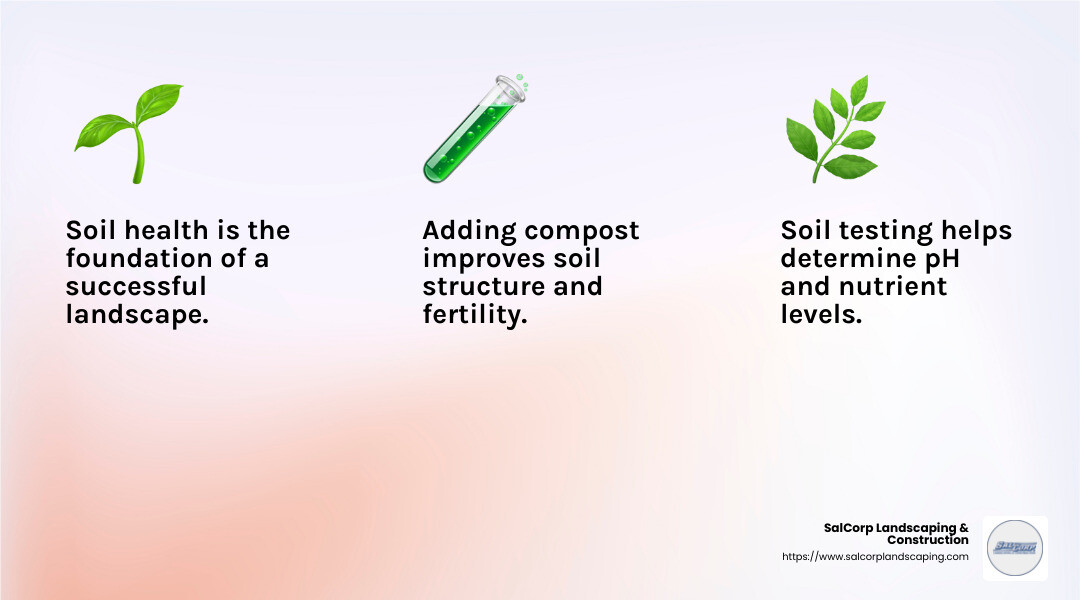
Soil health is the foundation of a successful landscape. New construction sites often have compacted soil lacking in nutrients and organic matter. To amend the soil, follow these steps:
- Soil Testing: Start by testing your soil to determine its pH and nutrient levels. This will help you understand what amendments are needed. You can find soil testing kits at garden centers or send samples to a local extension service for analysis.
- Organic Material and Compost: Add organic materials like compost to improve soil structure and fertility. Compost not only enriches the soil with nutrients but also improves its ability to retain moisture. Spread a 2-3 inch layer of compost over the area and work it into the top 6 inches of soil.
- pH Adjustment: Based on your soil test results, you might need to adjust the pH. Lime can be added to raise the pH, while sulfur can lower it. Follow the recommendations from your soil test for precise amounts.
Addressing Compaction and Debris
New construction sites often suffer from compaction and debris left behind by heavy machinery. Here’s how to tackle these issues:
- Tilling: Use a tiller to break up compacted soil. This helps improve aeration and allows roots to penetrate deeper. Tilling also mixes in any added compost, ensuring even distribution.
- Removing Rocks and Construction Waste: Clear the area of rocks, construction waste, and other debris. These obstacles can hinder plant growth and affect the aesthetic of your landscape.
- Debris Removal: Dispose of any large pieces of debris that could impede your landscaping efforts. This includes old bricks, metal, or any leftover construction materials.
By focusing on soil health and clearing your landscape of debris, you’re setting a strong foundation for your new construction landscaping. Healthy, well-amended soil will support robust plant growth and ensure your landscape design flourishes.
Selecting Plants and Trees for Your Landscape
Choosing the right plants and trees is vital for creating a beautiful and functional landscape. Let’s explore some options for new construction landscaping that offer privacy, wind protection, and low maintenance.
Best Trees for Privacy and Wind
Privacy is a top priority for many homeowners. Trees not only provide seclusion but also act as natural windbreaks. Here are some top picks:
- Eastern Red Cedar: Hardy in zones 2-9, this evergreen is perfect for privacy screens. It grows densely, blocking views and reducing wind.
- White Oak: Known for its strength and beauty, White Oak thrives in zones 3-9. It offers excellent shade and privacy.
- Leyland Cypress: Ideal for zones 4-10, Leyland Cypress grows quickly and forms a solid green barrier against prying eyes and gusty winds.
These trees not only improve privacy but also add elegance and value to your property.
Low-Maintenance and Allergy-Friendly Options
For those seeking a landscape that’s easy to care for and gentle on allergies, consider these options:
- Norway Spruce: This evergreen is low-maintenance and thrives in zones 3-7. It’s a great choice for those who want a lush landscape without much upkeep.
- Dogwood: Flowering Dogwood trees, suitable for zones 5-8, are not only beautiful but also produce low pollen, making them allergy-friendly.
- Magnolia: With its stunning blooms, Magnolia is perfect for zones 6-10. It’s a low-maintenance tree that adds a touch of elegance to any landscape.
When selecting plants and trees, consider your local climate and hardiness zones. Native species are often the best choice as they are adapted to local conditions and require less water and care. This makes them both eco-friendly and cost-effective.
By carefully choosing the right trees and plants, you can create a landscape that is both beautiful and practical, enhancing your new home’s outdoor space.
Implementing Your Landscape Design
Now that you’ve selected the perfect plants and trees for your new home, it’s time to bring your landscape design to life. This involves installing hardscapes and planting with precision to ensure everything thrives.
Installing Hardscapes
Hardscapes are the backbone of your landscape. They define spaces and provide structure. Here’s how to get started:
- Patios: A patio is perfect for outdoor dining or relaxing. Use materials like concrete pavers, natural stone, or brick. These materials are durable and add a touch of elegance.
- Walkways: Create paths that guide visitors through your garden. Gravel, stone, or brick walkways are popular choices. They not only look good but also help manage foot traffic.
- Retaining Walls: If your property has slopes, retaining walls can be a lifesaver. They prevent soil erosion and create level areas for planting or seating. Choose materials like stone or concrete blocks for stability and aesthetics.
Pro Tip: Always start with hardscapes before planting. This prevents damage to plants from heavy machinery and ensures a clean installation.
Planting and Mulching
Once your hardscapes are in place, it’s time to plant. Proper techniques and mulching are key to a healthy garden.
- Proper Planting Techniques: Dig a hole twice as wide as the root ball but no deeper. This allows roots to spread easily. Place the plant in the hole, fill it halfway with soil, water to remove air pockets, then fill the rest of the way.
- Mulch Types: Mulching is crucial. It retains moisture, suppresses weeds, and improves soil quality. Organic mulches like wood chips or bark are great for most gardens. They decompose slowly, adding nutrients to the soil.
- Plant Spacing: Proper spacing is vital. Crowded plants compete for resources and spread diseases. Follow the spacing guidelines for each species to ensure they have room to grow.
Irrigation
Watering is essential, especially for new plants. Consider installing an irrigation system custom to your landscape:
- Drip Irrigation: This method delivers water directly to the roots. It’s efficient and reduces water waste.
- Sprinkler Systems: Ideal for larger lawns. Make sure to adjust them to prevent overwatering.
Expert Tip: Group plants with similar water needs together. This makes watering more efficient and conserves resources.
By carefully implementing your landscape design, you’ll create a beautiful, functional outdoor space that complements your new home. Next, we’ll explore how to maintain your landscape and keep it thriving year-round.
Maintaining Your New Landscape
Once your landscape design is in place, the next step is to keep it looking fresh and vibrant. New construction landscaping requires consistent care and attention to thrive. Here’s how you can maintain your yard effectively.
Routine Care and Seasonal Tips
Watering: Regular watering is crucial, especially during the first few months. For new plants and sod, aim to keep the soil consistently moist but not waterlogged. Consider using a drip irrigation system for efficient water delivery.
Fertilizing: Use a balanced fertilizer to provide essential nutrients. Follow the recommended schedule for your plant types. A starter fertilizer rich in phosphorus can help roots grow stronger, but be careful not to over-apply.
Pruning: Prune trees and shrubs to remove dead or diseased branches. This encourages healthy growth and improves the appearance of your landscape. Spring and fall are ideal times for pruning.
Aeration: Aerating your lawn helps relieve soil compaction, allowing water, air, and nutrients to penetrate deeper. It’s particularly useful after construction work has compacted the soil. Aerate in criss-cross patterns and leave the plugs on the ground to decompose naturally.
Seasonal Clean-Up: Each season has its own maintenance needs. In spring, clean up debris and prepare planting beds. Summer is for regular watering and pest control. In fall, prepare your landscape for winter by removing fallen leaves and applying mulch to protect plants.
Protective Measures: Protect your plants from extreme weather. In winter, use burlap wraps for sensitive shrubs. In summer, provide shade for plants that can’t handle direct sunlight all day.
Lawn Care Post-Construction
Sod vs. Seed: Both sod and seed have their benefits. Sod provides an instant lawn, while seeding is more cost-effective. Choose based on your timeline and budget. If you opt for sod, install it as soon as possible after purchase and water it immediately.
Mowing: When your grass reaches the desired height, usually between 2.5 and 4 inches, it’s time to mow. Mow in the morning or late afternoon to avoid the heat. Keep your mower blades sharp to ensure a clean cut and reduce stress on the grass.
Fertilization: Apply fertilizer based on the season and your grass type. A slow-release nitrogen fertilizer is ideal for maintaining a lush, green lawn. Always follow the product instructions to avoid over-fertilizing, which can harm your lawn.
By staying on top of these routine tasks and seasonal tips, your new construction landscaping will flourish, providing a beautiful backdrop for your home. Next, we’ll tackle the common challenges you might face and how to overcome them.
New Construction Landscaping Challenges and Solutions
Fixing Common Problems
Soil Issues:
One of the first challenges you’ll face in new construction landscaping is poor soil quality. Construction activities often leave behind compacted soil lacking in nutrients. To address this, start by testing your soil to determine its pH and nutrient levels. Incorporate organic materials like compost to improve soil structure and fertility. This will help your plants establish strong roots and grow healthily.
Slope Management:
Proper slope management ensures water drains away from your home, preventing water damage and erosion. Aim for a slope of 1 inch per 4 feet to guide water flow effectively. If your yard has uneven slopes, consider using retaining walls or terraces. These structures can help manage water flow and create usable garden spaces.
Sun Exposure:
Understanding sun and shade patterns in your yard is crucial for plant placement. Some areas may receive full sun, while others are shaded for most of the day. Choose plants that match these conditions. For instance, sun-loving plants like lavender thrive in bright areas, whereas hostas are better for shaded spots.
Drainage:
Inadequate drainage can lead to water pooling, which harms plants and can cause structural damage. Consider installing a French drain—a trench filled with gravel and a perforated pipe—to redirect water away from problem areas. This simple solution can prevent waterlogging and keep your landscape healthy.
Erosion:
Erosion is a common issue on slopes or areas with loose soil. Planting ground covers like creeping phlox can help stabilize the soil. These plants spread quickly and hold the soil in place, reducing erosion. Additionally, using mulch can protect soil from rain and wind.
Shaded Areas:
Shaded areas can be tricky to landscape, but they offer unique opportunities. Select shade-tolerant plants like ferns or astilbes to fill these spaces. These plants thrive with less sunlight and can add lush greenery to your landscape. Also, consider using shade to your advantage by creating a cool, relaxing retreat with seating or a hammock.
By addressing these common challenges with thoughtful solutions, your new construction landscaping will not only improve your home’s curb appeal but also create a functional and enjoyable outdoor space. Next, we’ll dive into frequently asked questions about new construction landscaping to further guide you in creating your ideal yard.
Frequently Asked Questions about New Construction Landscaping
How Long Does Landscaping Take for a New House?
Landscaping a new home can take time, often spread over several phases. The timeline depends on the size of your outdoor space and the complexity of your design. For a typical yard, expect the entire process to take anywhere from a few weeks to several months.
If you’re doing it yourself, you might work on it gradually over a year or more. Hiring professionals can speed up the process, but it still typically takes a few months to see your vision come to life. Be patient, as landscaping is an evolving project that grows and changes with time.
How Do You Aerate a Lawn?
Aerating a lawn is essential, especially after construction, to alleviate soil compaction and improve air, water, and nutrient flow. Here’s how to do it:
- Choose Your Tool: Opt for a manual, push-behind, or tow-behind aerator.
- Water the Soil: Apply an inch of water a day or two before aeration to soften the ground.
- Mark Obstacles: Identify and mark sprinkler heads and other obstacles to avoid.
- Aerate: Use the aerator in criss-cross patterns over the lawn.
- Leave the Plugs: Allow the soil plugs to decompose naturally on the lawn.
- Add Amendments: After aerating, apply fertilizer or compost to improve soil health.
Aeration is particularly useful for lawns damaged by heavy machinery, helping restore them to their lush, green state.
How Do You Fix Yard Ruts After Construction?
Construction often leaves unsightly ruts in your yard, but these can be fixed with a bit of effort:
- Let the Soil Dry: If the soil is wet, allow it to dry before starting.
- Break Up the Soil: Use a tiller or shovel to loosen compacted soil. For large areas, aeration is more efficient.
- Level the Ground: Turn over the top six inches of soil, then fill in with new topsoil to level the area.
- Water the Soil: Water the area to help the soil settle.
- Add Extra Soil: If needed, add more soil to even out the surface.
- Seed or Sod: Apply grass seed or lay sod, then water regularly until the lawn is established.
With these steps, your yard will recover from construction wear and tear, blending seamlessly with your new landscaping.
Conclusion
Creating a beautiful landscape for your new home is a journey that promises long-term satisfaction. It’s more than just planting trees or laying sod; it’s about cultivating an outdoor space that reflects your style and improves your lifestyle. By carefully planning and executing your new construction landscaping, you set the stage for a thriving, vibrant yard that will mature and change with you over the years.
At SalCorp Landscaping & Construction, we understand the unique challenges and opportunities that come with landscaping a new home. Our 20 years of experience in Walpole, Massachusetts, and surrounding areas have equipped us with the expertise to transform any outdoor space into a masterpiece. From soil preparation to selecting the right plants and installing hardscapes, our comprehensive services ensure every detail is attended to with precision and care.
We pride ourselves on using sustainable practices that not only beautify your property but also benefit the local ecosystem. By incorporating native plants and efficient irrigation systems, we create landscapes that are easy to maintain and environmentally friendly.
Your satisfaction is our top priority. We work closely with you throughout the process to bring your vision to life, ensuring that your new outdoor space is both functional and aesthetically pleasing. Whether you’re looking for a quiet retreat or a lively area for entertaining, we are here to help you every step of the way.
If you’re ready to take the next step in changing your outdoor space, contact us today. Let SalCorp Landscaping & Construction guide you in creating the landscape of your dreams, where every detail is a testament to quality and craftsmanship.
Your new home’s landscape is a canvas, and with our help, you can create a lasting impression that you’ll enjoy for years to come.
