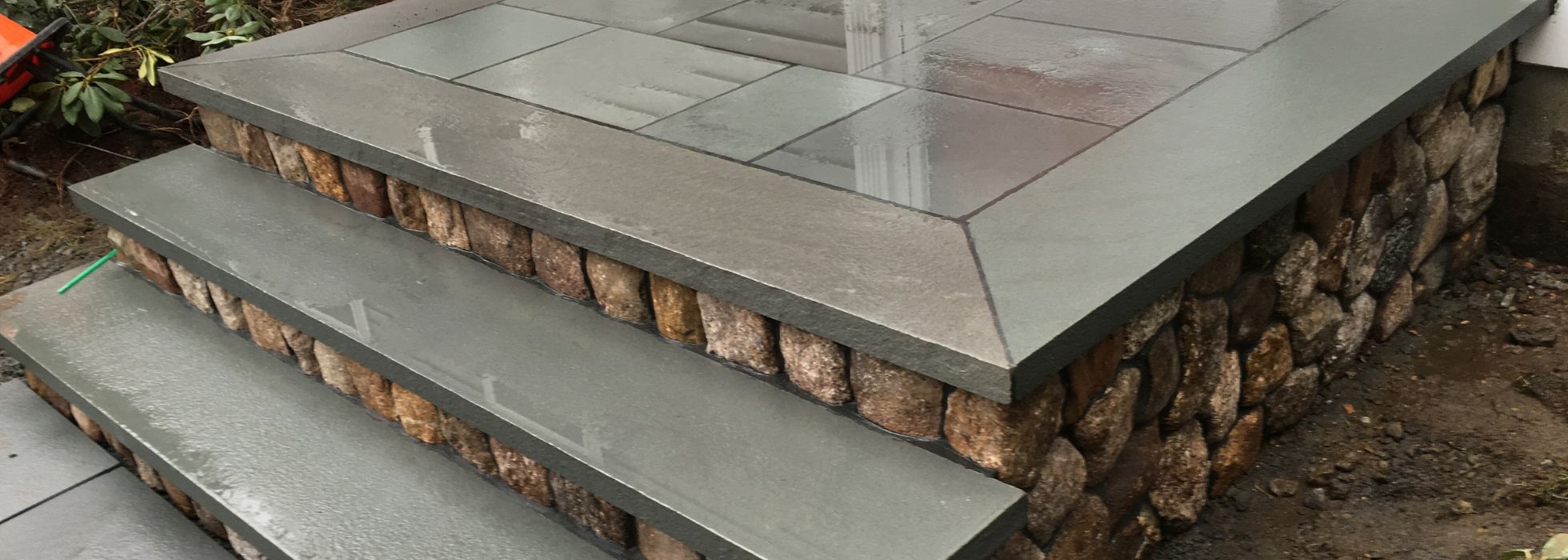
Brick Stairs Design: 5 Stunning, Durable Ideas 2025

Brick stairs design is an essential aspect of entryway architecture, blending functionality with aesthetic appeal. These robust structures offer a timeless look and lift the curb appeal of any property. Key elements of brick stairs design include:
- Neat and durable materials
- Versatile for various architectural styles
- Low maintenance, ensuring they remain attractive over time
In pursuit of modern architectural trends, brick stairs are not just functional pathways. They represent a fusion of tradition and contemporary design, aligning with current aesthetic preferences. With choices ranging from sleek minimalist lines to more ornate layouts, brick stairs can improve diverse entryways while providing safety and stability.
I’m Sal Musto, the founder of SalCorp Landscaping & Construction. With over twenty years of expertise, I have dedicated my career to the innovation and application of brick stairs design to transform outdoor spaces across Massachusetts. Our team prides itself on delivering projects that exceed expectations and adhere to the highest standards of craftsmanship.
Brick stairs design helpful reading:
– how to build brick stairs
– how to lay a brick step
– step by step landscaping ideas
Benefits of Brick Stairs Design
When considering brick stairs design, there are several benefits that make them an excellent choice for any property. Let’s explore the key advantages:
Durability
Brick stairs are incredibly durable. They can withstand harsh weather conditions, whether it’s the cold winters of Massachusetts or the heat of summer. Unlike wood, which can warp or rot, brick maintains its integrity over time. This makes it a long-lasting choice for homeowners looking for a reliable structure.
Aesthetic Appeal
One of the standout features of brick stairs is their aesthetic appeal. They offer a timeless look that can improve the beauty of any home. Whether your style is modern or traditional, brick stairs can be designed to complement your property’s architecture. The variety of colors and patterns available allows for customization that matches your personal taste and home’s exterior.
Low Maintenance
Brick stairs are low maintenance, which is a significant advantage for busy homeowners. Unlike other materials that may require frequent upkeep, brick stairs need minimal care. Simple cleaning and occasional inspections are typically all that’s necessary to keep them looking great. This ease of maintenance ensures they remain an attractive feature without demanding much of your time.

These benefits make brick stairs a smart investment for anyone looking to improve their property’s curb appeal and functionality. Their combination of durability, visual appeal, and low maintenance ensures they remain a popular choice in both residential and commercial settings.
Next, we’ll explore some creative brick stairs design ideas that can inspire your next project.
Creative Brick Stairs Design Ideas
When it comes to brick stairs design, creativity knows no bounds. Let’s explore some innovative ideas that can lift your home’s entrance or outdoor space.
Modern Designs
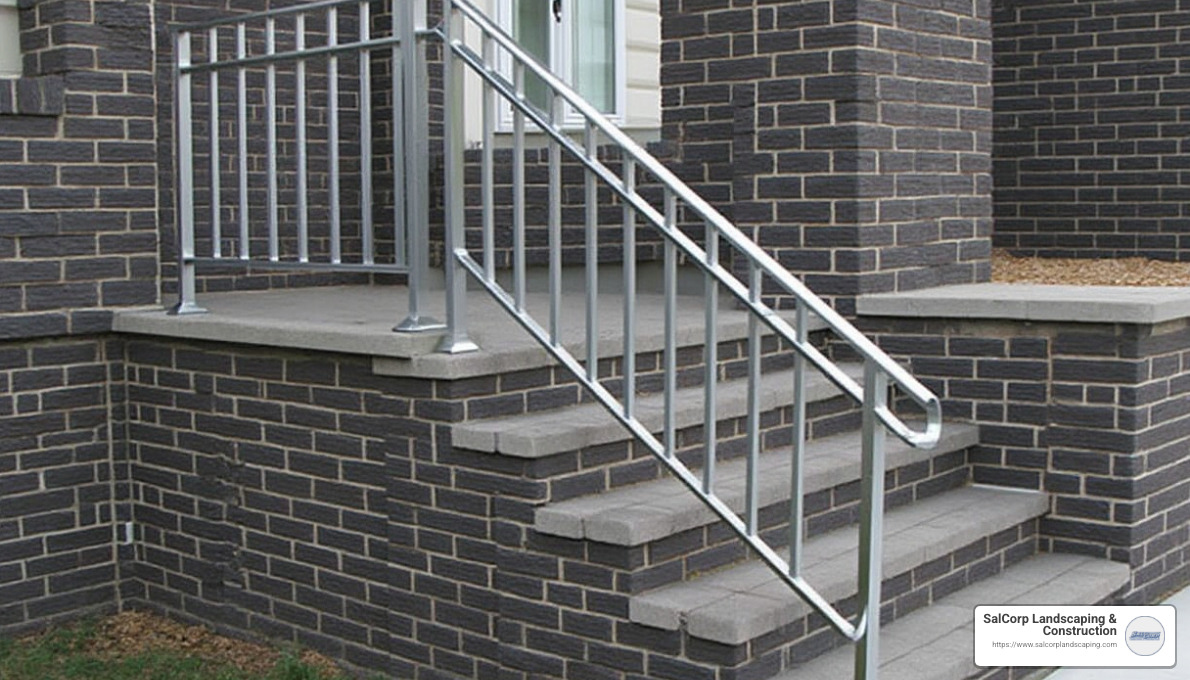
Modern brick stair designs focus on simplicity and clean lines. They often incorporate geometric shapes and minimalist features. For example, pairing brick with metal or glass railings can create a sleek, contemporary look. Using contrasting colors, such as dark bricks with light mortar, adds visual interest while maintaining a fresh, uncluttered appearance.
Traditional Styles
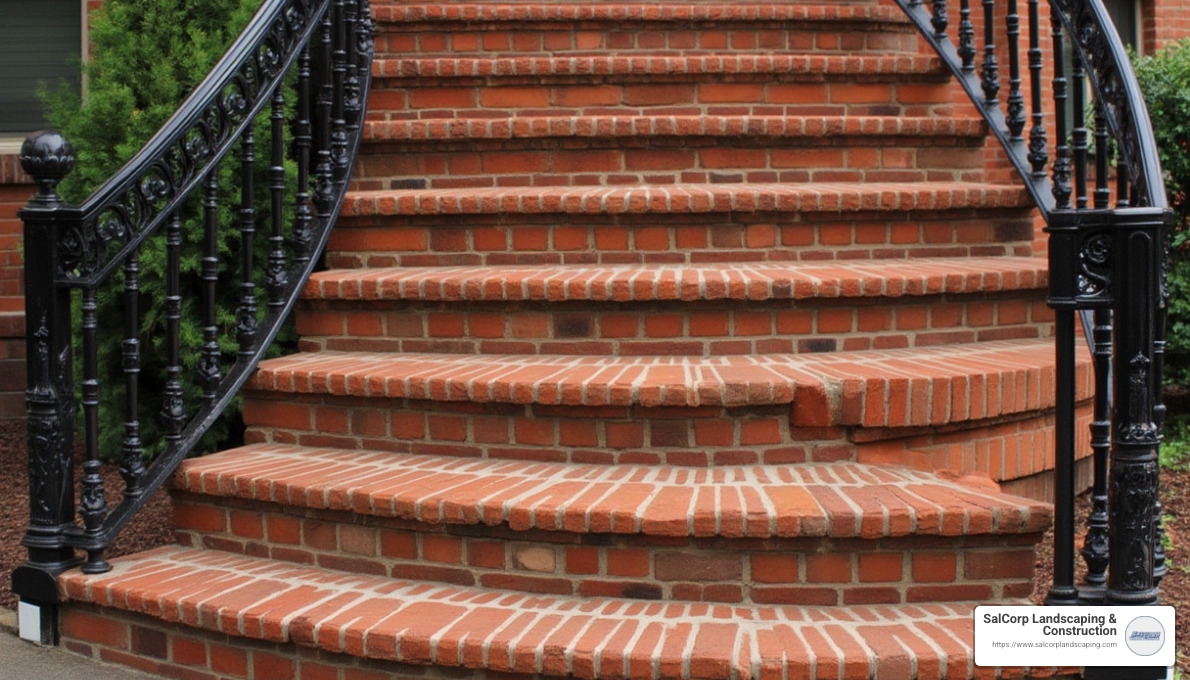
Traditional brick stair designs accept classic elements. These might include ornate railings, curved steps, or herringbone brick patterns. Such styles often complement older homes or those with a more classic architectural vibe. Using bricks with warm, earthy tones can improve the traditional feel, creating a welcoming and timeless entryway.
Outdoor Entryways
Brick stairs are a perfect choice for outdoor entryways, providing both functionality and style. When designing outdoor stairs, consider integrating landscaping elements like planters or garden beds along the edges. This not only beautifies the space but also ties the stairs into the surrounding environment. Additionally, incorporating lighting into the design can improve safety and highlight the stairs’ aesthetic features during nighttime.
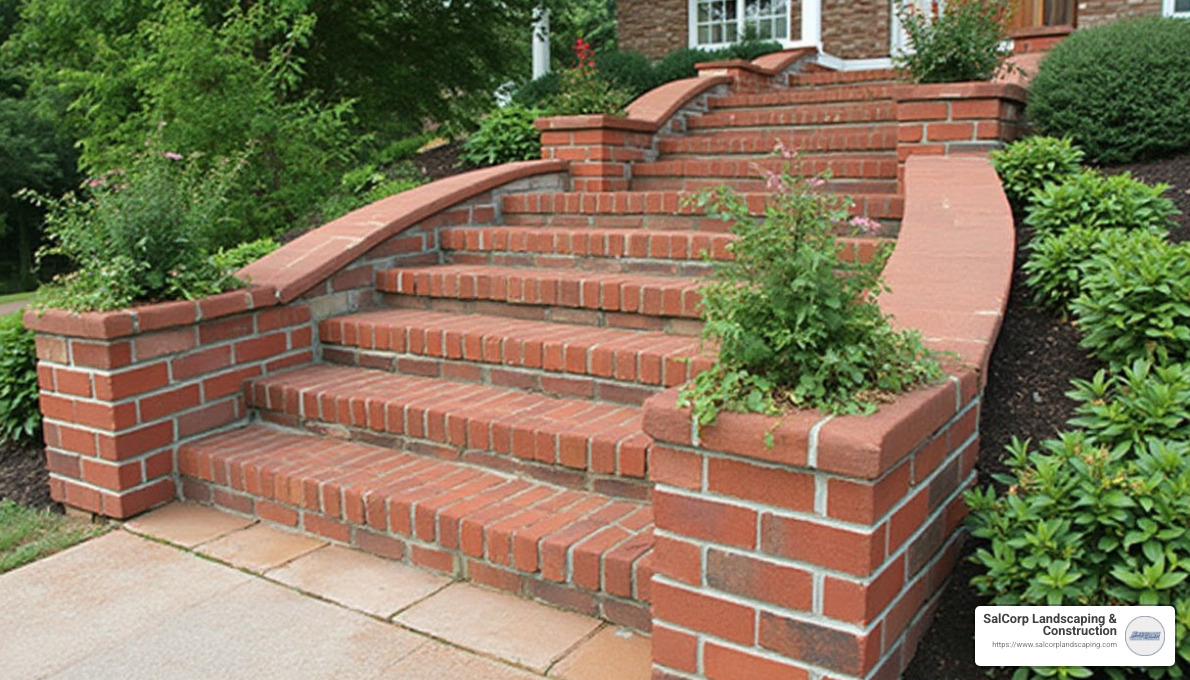
These creative ideas for brick stairs design offer a range of possibilities to suit different tastes and architectural styles. Whether you prefer modern, traditional, or a blend of both, brick stairs can transform your entryway into a focal point of your home.
Next, we’ll dig into the practical aspects of building brick stairs, including foundation requirements and masonry techniques.
How to Build Brick Stairs
Building brick stairs involves careful planning and precise execution. Let’s break down the essential steps and techniques to ensure your project is successful.
Foundation Requirements
A strong foundation is crucial for brick stairs design. Without it, the stairs may settle unevenly or crack over time. Here’s what you need to know:
- Excavation: Start by digging a trench below the frost line in your area. This prevents shifting due to freeze-thaw cycles.
- Base Preparation: Fill the trench with a layer of compacted gravel. This provides a stable base and ensures proper drainage.
- Concrete Footing: Pour a concrete footing on top of the gravel. This creates a solid platform for the bricks. Make sure it’s level and allow it to cure fully before proceeding.
Construction Tips
Building brick stairs requires attention to detail. Here are some tips to keep your project on track:
- Layout Planning: Before laying bricks, plan the layout. Use stakes and strings to outline the stair dimensions. This helps maintain straight lines and even spacing.
- Brick Cutting: You may need to cut bricks to fit the design. Use a masonry saw or chisel for clean cuts. Always wear protective gear when cutting bricks.
- Mortar Application: Apply mortar evenly between bricks. Use a trowel to spread it, ensuring full coverage. This strengthens the bond and prevents water infiltration.
Masonry Techniques
Mastering masonry techniques is key to a durable and attractive staircase. Consider these methods:
- Brick Bonding: Choose a bonding pattern, such as running bond or herringbone. This affects the appearance and stability of the stairs.
- Joint Finishing: After laying bricks, tool the mortar joints to create a smooth finish. This not only looks better but also helps seal the joints against moisture.
- Curing and Sealing: Allow the mortar to cure slowly by keeping it moist for a few days. Once cured, apply a sealant to protect against weathering and stains.
By focusing on these foundational elements, construction tips, and masonry techniques, you can build brick stairs that are both beautiful and long-lasting. Next, we’ll explore the cost considerations associated with such a project, helping you budget effectively.
Cost Considerations for Brick Stairs
When planning a brick stairs design, understanding the costs involved is crucial. Let’s explore the average costs, factors affecting the price, and long-term savings.
Average Costs
The cost of building brick stairs can vary widely depending on several factors. On average, you might expect to spend between $15 to $30 per square foot for materials and labor. That this is a rough estimate, and actual costs can differ based on your specific project requirements.
Factors Affecting Price
Several elements influence the overall cost of your brick stairs project. Here are the main factors to consider:
- Material Quality: Higher-quality bricks and mortar can increase costs but offer better durability and aesthetics.
- Design Complexity: Intricate designs, such as curved or spiral stairs, require more labor and materials, thus raising the price.
- Site Preparation: If your site needs extensive excavation or leveling, this can add to the overall cost.
- Labor Costs: Skilled masons are essential for a successful project, but their expertise comes at a price. Labor rates can vary based on location and complexity of the work.
- Permits and Regulations: Check local building codes and permit requirements, as these can also affect your budget.
Long-Term Savings
While the initial investment in brick stairs might seem high, there are potential long-term savings to consider:
- Durability: Brick is a sturdy material that can withstand harsh weather conditions, reducing the need for frequent repairs or replacements.
- Low Maintenance: Once installed, brick stairs require minimal upkeep compared to other materials, saving you time and money in the long run.
- Increased Property Value: Quality brick stairs can improve the curb appeal and value of your property, making it a worthwhile investment if you plan to sell in the future.
By carefully considering these cost factors and potential savings, you can make informed decisions about your brick stairs design project. Up next, we’ll address some common questions about brick stairs to help guide your planning process.
Frequently Asked Questions about Brick Stairs Design
Are Brick Steps Cheaper than Concrete?
When comparing costs, brick steps often have a higher initial price than concrete. This is due to the cost of materials and the skilled labor required for installation. However, brick offers long-term value. It’s durable, requires less maintenance, and has a timeless aesthetic appeal. Over time, the reduced maintenance costs and increased property value can offset the initial expense.
Do Brick Steps Need a Foundation?
Yes, a solid foundation is crucial for brick steps. Without it, the stairs may shift or settle, leading to cracks and structural issues. A well-prepared foundation ensures stability and longevity. Typically, this involves laying a concrete base to support the brickwork. Proper drainage is also essential to prevent water damage and maintain the integrity of the stairs.
How Much Does it Cost to Build Brick Steps?
The cost of building brick steps can vary based on several factors. Generally, the price ranges from $15 to $30 per square foot. Factors influencing the cost include:
- Design Complexity: Simple designs cost less than intricate ones.
- Material Choice: Premium bricks and mortar increase costs.
- Site Conditions: Uneven or rocky terrain can add to the expense.
- Local Labor Rates: Costs can vary by region and the expertise of the masons.
While the upfront costs may be significant, the durability and low maintenance of brick steps often lead to savings over time.
Conclusion
Incorporating brick stairs design into your property offers a blend of elegance, durability, and timeless appeal. At SalCorp Landscaping & Construction, we specialize in creating beautiful and functional masonry stairs that lift the aesthetic and value of your home. With over 20 years of experience, our team is committed to delivering comprehensive outdoor solutions custom to your needs.
We take pride in being an owner-operated business, ensuring that every project reflects our dedication to quality and customer satisfaction. Whether you’re envisioning a modern entryway or a traditional outdoor staircase, our skilled professionals have the expertise and equipment to bring your vision to life.
Serving communities across Massachusetts, including Canton, Dedham, Foxborough, Mansfield, and more, SalCorp Landscaping & Construction is your trusted partner for all things hardscaping. We understand the unique needs of our local clients and strive to provide personalized services that improve the beauty and functionality of your outdoor spaces.
Ready to transform your entryway with stunning brick stairs? Contact us today for a consultation and let our experts guide you through the process. Together, we can create a staircase that not only meets your practical needs but also adds a touch of sophistication to your home.