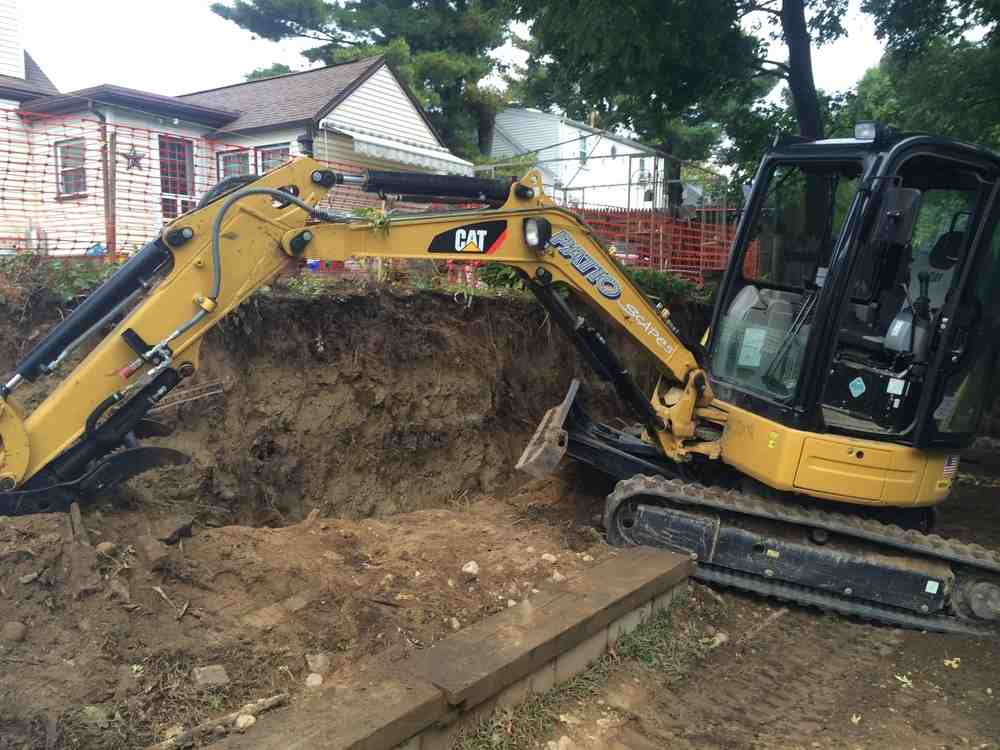
Hardscapers Near Me: Top 10 Best Experts in 2025
Finding Quality Hardscaping Experts in Your Area
Looking for Hardscapers Near Me? Here’s a quick guide to finding the best local hardscaping professionals:
- Check online reviews – Look for contractors with 4+ star ratings
- Verify credentials – Ensure they’re licensed and insured
- Review portfolios – Examine past projects similar to yours
- Ask for written estimates – Compare at least 3 quotes
- Verify experience – Look for at least 5+ years in hardscaping
Hardscapers Near Me refers to professional contractors who specialize in creating permanent, non-living landscape features using materials like stone, concrete, brick, and wood. These experts transform ordinary outdoor spaces into functional, beautiful areas that improve your property’s value and usability.
Unlike traditional landscaping that focuses on plants and greenery, hardscaping creates structural elements such as patios, walkways, retaining walls, outdoor kitchens, and water features. These permanent installations not only add visual appeal but also solve practical problems like erosion control, drainage issues, and creating usable outdoor living spaces.
When searching for hardscaping professionals, it’s important to find experienced contractors who understand both the aesthetic and functional aspects of outdoor design. A well-executed hardscape project can increase your property value by 5-15% while providing years of enjoyment and practical benefits.
I’m Sal Musto, owner of SalCorp Landscaping & Construction, with over two decades of experience changing outdoor spaces through expert hardscaping services for clients searching for “Hardscapers Near Me” throughout Massachusetts. My company’s specialized division, PatioScapes, focuses exclusively on creating stunning hardscape features that blend seamlessly with your existing landscape while addressing practical needs.
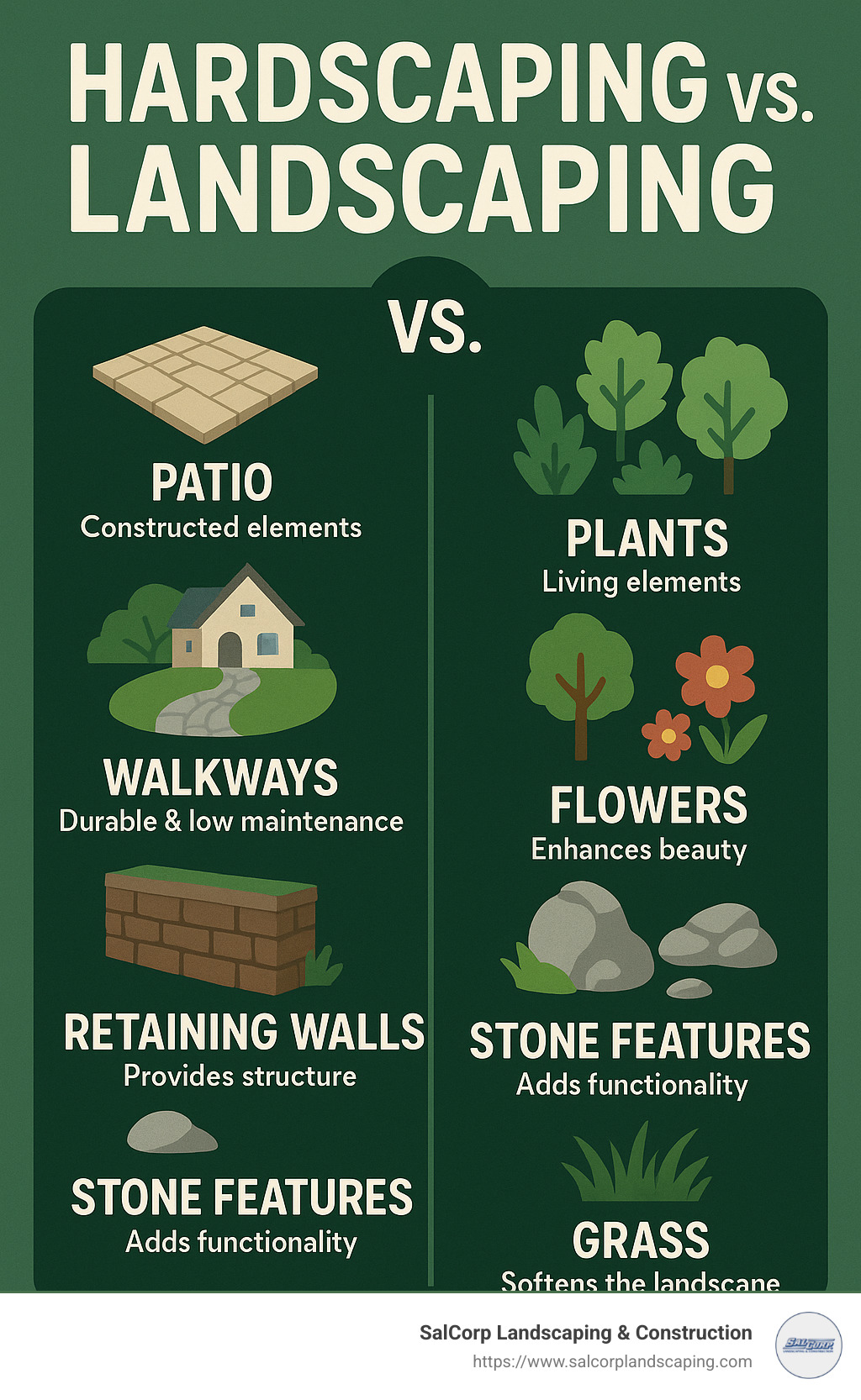
Quick look at Hardscapers Near Me:
What is Hardscaping and Why It Matters for Your Property
When you look out at your yard, do you see potential beyond the grass and flowers? That’s where hardscaping comes in – those permanent, non-living elements that create structure and function in your outdoor spaces.
Hardscaping includes all the “hard” features in your landscape – your patios, walkways, retaining walls, driveways, and decorative structures crafted from materials like natural stone, concrete, brick, and wood. While plants and grass provide seasonal beauty, hardscape elements deliver year-round structure and practical benefits.
As we often tell our clients at SalCorp Landscaping & Construction, “Hardscapes can be major feature points of your landscape design. They act as a cornerstone, around which we can build your seasonal softscapes.”
But hardscaping isn’t just about looks – it solves real problems for your property. A thoughtfully designed hardscape can prevent erosion on sloped yards, direct water away from your foundation, and create functional outdoor living spaces where your family can gather.
Erosion control is one of the most valuable benefits hardscaping provides. A properly built retaining wall can support up to 20 tons of soil, preventing it from washing away during heavy New England rainstorms. For many of our Massachusetts clients with sloped properties, this protection is essential.
Drainage solutions through strategic hardscaping help manage water flow across your property. Without proper drainage, you might face pooling water, basement flooding, and landscape damage – issues we’ve helped many homeowners resolve through thoughtful hardscape design.
Outdoor living areas extend your usable space beyond your home’s walls. Imagine hosting summer barbecues on a beautiful paver patio or gathering around a custom fire pit on cool autumn evenings. These hardscape features effectively increase your living space without the cost of a home addition.
Reduced maintenance is another significant advantage. Unlike your lawn that needs weekly mowing or gardens requiring constant attention, hardscape features need minimal upkeep once properly installed. For busy homeowners, this time-saving benefit is invaluable.
Year-round appeal sets hardscaping apart from softscaping. When winter blankets Massachusetts and your plants go dormant, your hardscape elements maintain their beauty and function. That stone pathway or neat retaining wall looks just as impressive in January as it does in July.
Perhaps most compelling for many homeowners is the property value improvement hardscaping delivers. According to industry data, quality hardscaping can increase your home’s value by 5-15%. Specific features like retaining walls offer an impressive return on investment between 100-200%.
Over our two decades serving communities across Massachusetts, we’ve witnessed how thoughtful hardscaping transforms properties – not just visually, but functionally. Whether you’re in Walpole, Boston, or anywhere in between, these improvements continue delivering value season after season, year after year. Learn more about why hardscaping is worth the investment in our detailed guide.
The Difference Between Hardscaping and Landscaping
When planning your outdoor space, understanding where hardscaping ends and landscaping begins helps create that perfect balance between structure and natural beauty. Let me break it down in a way that makes sense for your yard.
Hardscaping covers all those durable, non-living elements in your outdoor design – the “hard” features that provide structure and function:
- Patios and decks where you gather with family
- Walkways and paths that guide visitors through your property
- Retaining walls that manage elevation changes
- Outdoor kitchens and fire pits for entertaining
- Driveways and parking areas that welcome you home
- Stone steps that connect different levels of your landscape
- Pergolas and gazebos that create outdoor rooms
- Water features that add tranquil sounds to your space
Landscaping (or more specifically, “softscaping”) accepts all the living, growing elements:
- Trees, shrubs, and ornamental plants
- Lawns and grassy play areas
- Flower beds and vegetable gardens
- Seasonal color displays
- Mulch and soil amendments

The real magic happens when these elements work together. At SalCorp Landscaping & Construction, we approach every project with integration in mind, creating spaces where hardscape and softscape complement each other perfectly.
Complementary design is essential – hardscaping provides the bones and structure, while softscaping adds life, color, and texture. A patio surrounded by carefully chosen plantings feels inviting and complete in a way neither element could achieve alone.
Seasonal considerations matter greatly in Massachusetts. As your plants transform through our distinct seasons – spring blooms, summer fullness, fall colors, and winter dormancy – well-designed hardscaping provides consistent structure and function. Your stone walkway remains equally useful whether surrounded by daffodils in May or dusted with snow in December.
Functional balance between these elements creates truly livable outdoor spaces. As one of our Walpole clients recently shared, “I never realized how much the stone pathways would improve my garden beds. They not only look beautiful together but make maintaining the garden so much easier.”
Sustainable solutions emerge when hardscaping and landscaping work together. Your retaining wall prevents erosion (hardscaping) while creating perfect planting pockets for native plants that support local pollinators (softscaping).
Finding this balance is where our expertise comes in. Too much hardscaping without softening plant elements can feel cold and unwelcoming, like sitting in a parking lot. Conversely, beautiful plantings without proper pathways or defined spaces can seem chaotic and impractical.
At SalCorp, we design with both elements in mind, creating outdoor spaces that are beautiful and functional throughout all seasons in Massachusetts. When you’re looking for Hardscapers Near Me, the best results come from professionals who understand this critical relationship between the hard and soft elements of your landscape.
Popular Hardscape Features to Consider for Your Project
When Massachusetts homeowners search for “Hardscapers Near Me,” they’re often curious about which hardscape elements might work best for their specific property. After 20+ years changing outdoor spaces throughout the region, I’ve seen which features consistently deliver the biggest impact for our clients.
Patios serve as the heart of outdoor living – essentially your open-air living room. Materials range from classic brick to neat natural stone, versatile concrete pavers to budget-friendly stamped concrete. A thoughtfully designed patio creates that seamless indoor-outdoor connection that extends your living space. For many of our clients in Walpole and surrounding communities, multi-level patios with built-in seating have become favorite gathering spots for family celebrations.
Walkways and paths do far more than simply connect points A and B. They guide the eye through your landscape, create a sense of journey, and protect your lawn and garden beds from foot traffic. One of our Franklin clients recently told me, “The curved bluestone path you installed completely transformed how we experience our backyard – it’s not just functional, it’s beautiful.” Whether straight and formal or winding and casual, the right pathway material and design makes all the difference.
Retaining walls solve practical problems while adding visual interest. Beyond holding back soil on sloped properties (up to 20 tons!), they create planting opportunities and define spaces. Natural stone walls offer timeless appeal, while manufactured block systems provide consistent color and easier installation. Many of our clients are surprised by how much dimension and character a well-designed retaining wall adds to previously flat or problematic areas.
Outdoor kitchens have exploded in popularity as more homeowners seek to maximize outdoor living. From simple built-in grills to comprehensive cooking stations with refrigerators, sinks, and pizza ovens, these hardscape features extend entertaining possibilities. We design these spaces to withstand New England’s challenging weather while providing all the comforts needed for outdoor cooking and dining.
Fire pits and fireplaces consistently rank among our most requested features, and for good reason – they extend your outdoor season well into the cooler months. Whether you prefer a simple circular fire pit for roasting marshmallows or an elaborate outdoor fireplace that serves as a focal point, these warming features create natural gathering spaces where memories are made.
Water features add that special sensory dimension to your landscape through sound and movement. From subtle bubbling fountains that mask neighborhood noise to dramatic waterfalls that transform a sloped yard, water elements create focal points that draw people outdoors. As one Dover client shared, “The sound of our new water feature is the first thing guests comment on – it completely changes the atmosphere of our backyard.”
Driveways might seem purely functional, but they dramatically impact curb appeal. Materials like pavers, cobblestone, or stamped concrete offer aesthetic advantages over standard asphalt while potentially adding significant value to your property. The right driveway design welcomes you home while complementing your home’s architecture.
Stone steps neatly solve elevation challenges while adding architectural interest. Natural stone treads with integrated lighting create safe passage while enhancing your landscape’s visual appeal. For many of our hillside properties, custom stone stairs have transformed treacherous slopes into beautiful, accessible transitions.
Beyond these core elements, pergolas, seat walls, and outdoor lighting complete the hardscape picture, defining spaces and extending usability into evening hours. We help clients throughout Massachusetts select the right combination of these features based on their property’s unique characteristics, their lifestyle needs, and their aesthetic preferences.
If you’re considering a hardscape project, explore our complete range of Hardscaping Services to see examples of how these elements can transform your property. The key is creating an integrated design where each hardscape feature serves both practical and visual purposes in your unique outdoor space.
How to Find and Evaluate Hardscapers Near Me
Finding the right hardscape contractor isn’t just about picking the first name that pops up when you search for “Hardscapers Near Me.” It’s about finding a trusted partner who’ll transform your outdoor dreams into reality. As someone who’s helped countless Massachusetts homeowners steer this journey, let me walk you through the process of finding and vetting the perfect hardscaping professional for your project.
Start Your Search
The hunt for quality hardscapers begins with good old-fashioned research. Start by typing “Hardscapers Near Me” or “Hardscape Contractors in [Your Town]” into your favorite search engine. Look specifically for companies that showcase hardscaping expertise in their services—not just general landscaping. A company that specializes in hardscaping will have the specific skills and equipment needed for these structural projects.
Take time to explore company websites thoroughly. Professional hardscapers should proudly display their work, services, and expertise. At SalCorp, we maintain an extensive portfolio showcasing our hardscaping changes across various Massachusetts communities so potential clients can see exactly what we’re capable of.
Don’t skip the reviews! Check ratings on Google, Yelp, Houzz, and the Better Business Bureau. I always recommend looking for contractors with 4+ star ratings, but more importantly, read what people are saying specifically about their hardscaping projects. Did the contractor finish on time? Were there unexpected costs? How did they handle challenges?
Finally, tap into your personal network. Some of the best contractor relationships start with a neighbor leaning over the fence saying, “You should see who did my new patio!” Personal recommendations often lead to the most satisfying results because you can see the finished product in person and get honest feedback about the whole experience.
Evaluate Credentials and Experience

Once you’ve identified a few promising candidates, it’s time to dig deeper into their qualifications. This is where many homeowners skip steps, but trust me—this investigation pays dividends in the long run.
First, verify proper licensing. In Massachusetts, legitimate hardscape contractors should have at minimum a Home Improvement Contractor (HIC) registration. You can verify this through the Department of Consumer Affairs licensing verification portal. This simple check can save you from potential headaches down the road.
Insurance is non-negotiable. Professional hardscapers should carry both liability insurance and workers’ compensation coverage. Don’t just take their word for it—ask to see certificates of insurance. This protects you from potential liability if accidents occur on your property, which is especially important with hardscaping projects that often involve heavy materials and equipment.
Experience matters tremendously in hardscaping. While everyone deserves a chance to build their business, your property might not be the best training ground. Look for companies with at least 5-10 years of specific hardscaping experience. At SalCorp, our two decades in the business means we’ve encountered (and solved) virtually every hardscaping challenge imaginable in New England’s unique conditions.
A picture is worth a thousand words, especially when evaluating hardscapers. Study their portfolio carefully, looking for:
- Variety in their installations (can they handle different styles and features?)
- Projects similar to what you’re envisioning
- Attention to detail in the finished work
- Before-and-after changes that show problem-solving skills
Some hardscapers have particular specialties. One contractor might excel at intricate patios while another might be the local expert on retaining walls. Make sure their strengths align with what your project requires.
Finally, don’t skip checking references. Ask for contact information of recent clients with projects similar to yours. When you speak with these references, ask specific questions about communication throughout the project, adherence to timeline and budget, quality of workmanship, how problems were handled, and their overall satisfaction. A good contractor will be happy to connect you with satisfied customers.
Evaluate Their Process
The way a hardscaping contractor approaches projects tells you a lot about their professionalism and what your experience will be like.
A quality hardscaper starts with a thorough consultation to understand not just what you want, but why you want it. They’ll assess your property conditions, discuss how you plan to use the space, and consider your aesthetic preferences. This initial meeting should feel like a conversation, not a sales pitch.
Look for contractors who provide detailed designs or 3D renderings before beginning work. This visual planning stage helps prevent misunderstandings and ensures you’ll be happy with the final result. When we present designs at SalCorp, clients often tell us, “Now I can actually see what you’ve been describing!” That moment of clarity is invaluable.
Professional hardscapers provide comprehensive written proposals detailing materials, labor, timeline, and payment schedule. Be wary of vague estimates or single-page quotes that lack specifics. The proposal should clearly outline what’s included and what might incur additional costs.
Material selection guidance is another hallmark of quality hardscapers. They should walk you through options, explaining the pros and cons of each for your specific situation, climate, and budget. They should be able to explain why certain materials might work better than others in Massachusetts’ freeze-thaw cycles or which stones will maintain their beauty with minimal maintenance.
Pay attention to their communication style during initial interactions—this often indicates how communication will flow during the project. Are they responsive? Do they explain things clearly? Do they listen to your concerns? A contractor who’s difficult to reach before you’ve signed a contract will likely be even harder to contact once work begins.
At SalCorp Landscaping & Construction, we believe transparency and communication are just as important as technical expertise. Our owner-operated approach means clients work directly with decision-makers throughout their project, ensuring questions are answered promptly and expectations are clearly set from the beginning.
By following these evaluation steps, you’ll be well-positioned to find a hardscaping contractor who can turn your outdoor vision into reality with professionalism, skill, and the kind of attention to detail that makes your project stand out in the neighborhood. And isn’t that what we’re all looking for when we search for “Hardscapers Near Me“?
The Hardscaping Process: What to Expect
When you decide to transform your outdoor space with hardscaping, knowing what lies ahead can make all the difference between a stressful experience and an exciting journey. At SalCorp Landscaping & Construction, we’ve refined our process over two decades of creating beautiful outdoor spaces throughout Massachusetts. Let me walk you through what happens when you choose professional Hardscapers Near Me for your project.
Initial Consultation and Assessment
Every great hardscape project begins with a conversation. During our initial meeting, we’ll sit down with you to:
Talk through your vision and how you imagine using your outdoor space. Are you dreaming of peaceful evening gatherings around a fire pit? Family barbecues on a spacious patio? A winding stone path through your garden? Understanding your lifestyle helps us design spaces you’ll truly love.
We’ll walk your property together, taking measurements and photos while evaluating important factors like soil conditions, drainage patterns, and existing landscape features. This is when we identify both challenges and opportunities unique to your space.
“The initial consultation is where we transform vague ideas into concrete possibilities,” explains our design team. “Bring your inspiration photos, magazine clippings, or Pinterest boards—they help us understand your aesthetic preferences and make the design process more efficient.”
Design Phase

With a clear understanding of your goals, we develop a comprehensive design that brings your vision to life. This isn’t just about making things pretty—it’s about creating functional outdoor spaces that work for your lifestyle while solving practical problems like drainage or erosion.
For simpler projects, we might provide detailed sketches and material samples. For more complex changes, we often create 3D renderings that let you virtually “walk through” your new outdoor space before a single stone is laid.
During this phase, we encourage your feedback and questions. This collaborative approach ensures the final design perfectly balances your aesthetic preferences with practical considerations and budget constraints.
Material Selection
Choosing the right materials is perhaps the most exciting—and important—part of your hardscaping project. Different materials create different moods and have varying maintenance requirements and lifespans.
We’ll guide you through options ranging from classic New England fieldstone to modern concrete pavers, explaining the pros and cons of each. For many clients, seeing and touching actual materials makes all the difference.
“I was overwhelmed by all the paver options online,” shared one Wellesley homeowner. “But when my SalCorp designer brought sample materials to our follow-up meeting and explained how they would weather in our yard’s specific conditions, the decision became much clearer.”
Detailed Proposal and Contract
Before any work begins, we provide a comprehensive proposal that serves as our contract. This document spells out exactly what we’ll do, what materials we’ll use, how much it will cost, and how long it will take.
Our proposals include itemized costs, specific material selections, a projected timeline with major milestones, and a clear payment schedule. This transparency eliminates surprises and builds trust—something we value deeply at SalCorp Landscaping & Construction.
Site Preparation
Now the physical change begins! Proper preparation is absolutely crucial for long-lasting hardscape features. Think of it as the foundation of your project—invisible in the finished product but essential to its success.
Our crews will carefully mark utilities, obtain necessary permits, and begin the excavation process. We’ll install geotextile fabrics where needed to prevent weed growth and separate soil from base materials. Proper grading ensures water flows away from your home’s foundation, while compacted base materials prevent future settling or shifting.
“Many contractors rush through preparation to get to the more visible installation phase,” notes our lead hardscape installer. “But at SalCorp, we know that taking extra time during prep prevents headaches years down the road.”
Installation Process
With solid preparation complete, your hardscape features begin to take shape. Our experienced craftspeople carefully place each paver, carefully cut each stone, and precisely construct each wall.
Throughout installation, we maintain open communication, providing regular updates and addressing any questions that arise. As an owner-operated company, you’re never more than one call away from the decision-makers on your project.
We pay particular attention to the details that distinguish good hardscaping from great hardscaping—perfect cuts around curves, consistent joint widths, seamless transitions between materials, and proper slopes for drainage.
Final Touches and Cleanup
As your project nears completion, we focus on the finishing details that lift the entire installation. Joints are filled with appropriate materials to prevent weed growth and stabilize the surface. Edges are secured to prevent shifting. Surfaces are cleaned and sealed if required.
We take particular pride in our thorough cleanup process. When we leave your property, you’ll find no leftover materials, no construction debris—just your beautiful new hardscape ready to enjoy.
Final Walkthrough and Inspection
The final step in our process is a comprehensive walkthrough with you. We’ll inspect every aspect of the installation together, ensuring everything meets both our exacting standards and your expectations.
During this walkthrough, we’ll also provide specific maintenance instructions for your new hardscape features and answer any questions about care and upkeep. Our relationship doesn’t end when the last stone is set—we’re always available for maintenance advice or future projects.
At SalCorp Landscaping & Construction, we view the hardscaping process as a partnership. Our goal isn’t just to build beautiful outdoor features but to create spaces where memories will be made for years to come.
Planning Your Hardscape Project
The success of your hardscape project often depends on the thought put into planning before the first shovel hits the ground. Whether you’re dreaming of a simple patio or an elaborate outdoor living space, these planning considerations will help ensure your project delivers lasting satisfaction.
Budget Considerations
Let’s talk about money first—because it influences every other decision. Quality hardscaping is an investment in your property, but it’s important to establish a realistic budget from the start.
Most hardscaping projects break down with roughly 40-50% going to materials and 40-50% to labor, with the remainder covering design fees and permits. We always recommend setting aside 10-15% as a contingency fund for unexpected issues that might arise during excavation or construction.
“I initially considered less expensive materials but realized the long-term value of investing in higher quality options that would last decades rather than years,” shared one of our Walpole clients. This perspective often makes sense—paying a bit more upfront for materials that won’t need replacement can be more economical in the long run.
If your vision exceeds your current budget, we can help prioritize features or develop a phased approach that allows you to build your dream outdoor space over time. This strategy often works well for comprehensive landscape changes.
Space Assessment
Understanding your outdoor space’s unique characteristics is crucial for successful hardscaping. We’ll help you evaluate:
Your available square footage and how to maximize its potential. Sometimes smaller spaces can feel much larger with the right design approach.
Sun and shade patterns throughout the day and across seasons. That perfect afternoon reading spot in April might be unbearably hot in July without proper planning.
Views to improve or screen. Perhaps you want to highlight your garden view while minimizing the sight of your neighbor’s storage shed.
Natural traffic patterns between your home, yard, and existing features. Hardscaping should support how you naturally move through your space, not force awkward new patterns.
We often recommend clients spend time simply observing how they currently use their outdoor spaces before finalizing designs. These observations reveal valuable insights about where people naturally gather, where privacy might be needed, or which areas remain unused due to access issues.
Functional Needs Assessment
Your outdoor space should reflect how you actually live. Do you host large summer barbecues or prefer intimate gatherings? Do you need kid-friendly spaces or areas designed for adult relaxation? Are you an enthusiastic outdoor cook who needs more than just a basic grill setup?
“Your outdoor spaces are not just part of your property—they’re an extension of who you are,” explains our design team. “The most successful hardscape projects reflect how you actually live, not just how the space looks.”
Consider how many people typically gather in your outdoor space and what activities you enjoy most. A family of avid readers might prioritize comfortable seating areas in both sun and shade, while frequent entertainers might need expansive patio space with easy access to an outdoor kitchen.
Aesthetic Preferences
Your hardscaping should complement your home’s architectural style while reflecting your personal taste. Colonial homes often pair beautifully with traditional brick or natural stone hardscaping, while contemporary homes might call for cleaner lines and more modern materials.
Beyond complementing your home, consider the mood you want to create. Do you prefer the formal symmetry of structured designs or the organic flow of more natural layouts? Are you drawn to the warm tones of clay pavers or the cool elegance of bluestone?
Bringing inspiration photos to our initial consultations helps communicate your aesthetic vision clearly and gives us a starting point for material and design suggestions.
Material Durability and Maintenance
Massachusetts weather demands durable materials that can withstand freeze-thaw cycles, snow removal, summer heat, and heavy use. Your material choices should balance aesthetic preferences with practical considerations like maintenance requirements and longevity.
Natural stone typically requires less maintenance but comes with a higher initial cost. Concrete pavers offer versatility and moderate maintenance needs. Wood elements add warmth but require regular upkeep to maintain their appearance and structural integrity.
Be honest with yourself about how much maintenance you’re willing to perform or pay for. Even the most beautiful hardscape will become a source of frustration if it demands more care than you’re prepared to provide.
Climate and Environmental Factors
Local climate conditions significantly impact both design choices and material selection. In Massachusetts, proper drainage becomes absolutely critical due to our significant rainfall and snowmelt. Without appropriate slopes and drainage solutions, water can pool on surfaces or, worse, flow toward your home’s foundation.
Consider how wind patterns affect comfort in outdoor living spaces, particularly if you plan to use your patio in early spring or late fall. Thoughtfully placed hardscape features or integrated landscape elements can create sheltered microclimates that extend your outdoor living season.
Seasonal Timing
In New England, hardscaping projects are somewhat seasonal, though not as limited as many homeowners assume. Spring and fall typically offer ideal conditions—moderate temperatures and less extreme weather—but each season has its advantages:
Spring installations benefit from softer ground conditions after the winter thaw, making excavation easier. However, spring rain can cause occasional delays.
Summer projects often progress more quickly due to longer daylight hours and favorable weather, though extreme heat can sometimes slow the pace of work.
Fall offers stable weather and cooler working conditions, plus your new hardscape will be ready to enjoy when spring arrives.
Winter is ideal for planning and design work, putting you at the front of the line for early spring installation.
At SalCorp Landscaping & Construction, we help clients determine the optimal timing for their specific project, sometimes recommending off-peak seasons for better pricing or contractor availability.
By carefully considering these planning factors before breaking ground, you’ll ensure your hardscaping project delivers both immediate satisfaction and lasting value for your property.
The Installation Timeline for Common Hardscape Projects
“How long will this take?” It’s one of the first questions most homeowners ask when planning a hardscape project—and understandably so. While every installation is unique, I can share some typical timelines based on our extensive experience creating outdoor spaces throughout Massachusetts.
Patio Installation: 1-2 Weeks
A standard 400-500 square foot patio typically follows a predictable progression. The first couple of days involve site preparation and excavation—removing existing vegetation, establishing proper grades, and digging down to the required depth. Next comes base installation and compaction, a critical step that prevents future settling. The visible change happens when we begin installing pavers or natural stone, followed by the finishing touches of cutting, edging, joint filling, and cleanup.
Several factors can extend this timeline. Limited access to your backyard might add a day or two if materials must be transported manually rather than with machinery. Complex patterns like herringbone or elaborate designs with multiple materials can add 2-3 days to the installation process. And natural stone typically takes 20-30% longer than manufactured pavers due to the custom cutting and fitting required.
Walkway Construction: 3-5 Days
Walkways follow a similar process to patios but generally move more quickly due to their smaller footprint. For a typical 50-foot walkway, expect one day for excavation and site preparation, another for base installation and compaction, 1-2 days for paver or stone installation, and a final day for edging, joint filling, and cleanup.
Curved walkways take longer than straight paths due to the additional cutting required, while elevation changes necessitating steps add complexity and time to the project.
Retaining Wall Building: 1-3 Weeks
Retaining walls vary dramatically in complexity and timeline based on their height, length, and the site conditions. Small decorative walls under 2 feet high might be completed in just 2-4 days, while medium structural walls between 2-4 feet typically require 1-2 weeks. Large structural walls over 4 feet not only take 2-3 weeks to build but also require professional engineering plans before construction can begin.
“I was impressed by how methodical the process was,” noted a Newton client after we completed their terraced retaining wall project. “Each day showed visible progress, but nothing was rushed—especially the critical drainage work behind the walls.”
The invisible components of retaining walls—proper footings, drainage systems, and backfilling—are as important as the visible stone or block and demand appropriate time for correct installation.
Outdoor Kitchen Assembly: 2-4 Weeks
Custom outdoor kitchens involve multiple phases and often require coordination between our hardscaping team and specialists like plumbers, electricians, and appliance installers. The process typically begins with foundation and base construction during the first week, followed by structure building and utility rough-ins in week two. The third week often focuses on countertop installation and setting appliances, with the final week dedicated to finishing details, testing, and cleanup.
The complexity of your outdoor kitchen design—from a simple grill station to a comprehensive cooking space with refrigeration, sink, and pizza oven—directly impacts the timeline.
Fire Pit or Fireplace: 2-7 Days
A simple fire pit might be completed in just 1-2 days, while a custom stone fire pit with specialized features could require 2-3 days. A full outdoor fireplace, with its more complex structure and often a chimney, typically takes 5-7 days from start to finish.
Driveway Installation: 1-3 Weeks
Replacing an existing driveway with pavers involves significant work. The process begins with removing the existing driveway and excavation, which typically takes 1-3 days depending on the size and existing materials. Base preparation and compaction follow, taking another 2-3 days. The paver installation itself often requires 5-7 days for a standard two-car driveway, with edge restraints, joint filling, and cleanup completing the project.
Project Coordination Factors
Several external factors can affect your project timeline, and understanding them helps set realistic expectations:
Weather Considerations impact outdoor work significantly. Rain can delay excavation and base installation by 1-3 days, while extreme heat might require adjusted work schedules to ensure both worker safety and proper material setting. In Massachusetts, we’re well-accustomed to working around weather challenges, but some delays are inevitable.
Material Availability varies throughout the season. While stock materials typically have no delay, special order items may add 1-3 weeks to your timeline. Natural stone selection can add another week for sourcing the perfect materials for your project.
Permit Processing times differ by municipality. Simple permits might be approved in 1-2 weeks, while complex projects requiring engineering review can take 3-6 weeks for approval. We handle the permit process for our clients, but it’s important to build this time into your overall project timeline.
Site Accessibility challenges can extend your timeline. Limited access may require manual material transport, adding 20-30% to the installation time. Similarly, special care to protect existing landscape features might add 1-3 days to the process.
Unexpected Findies are simply part of working with the earth. Hidden utility lines might cause a 1-2 day delay for rerouting. Poor soil conditions could require 1-3 additional days for extra excavation and base work. And encountering ledge or large rocks might add 1-5 days depending on the removal method needed.
At SalCorp Landscaping & Construction, we provide detailed timelines during the proposal phase and keep clients updated on progress and any schedule adjustments. Our owner-operated approach means decisions can be made quickly when unexpected situations arise, minimizing delays.
“The SalCorp team provided a realistic timeline from the start and actually finished our patio project a day early,” shared a satisfied client in Walpole. “Their communication throughout the process gave us complete confidence.”
Understanding these typical timelines helps set realistic expectations and allows you to plan accordingly, whether you’re preparing for a summer graduation party or simply eager to start enjoying your new outdoor living space.
Cost Considerations for Hardscaping Projects
When you’re searching for “Hardscapers Near Me” and collecting quotes, understanding what drives project costs helps you budget realistically and evaluate proposals with confidence. Let me walk you through what affects pricing and what you might expect to invest in various hardscape features.
The truth is, every hardscaping project is unique – just like your property. Your specific combination of space, materials, and design vision creates a one-of-a-kind project with its own cost considerations.
Material Costs
The materials you choose will significantly impact your bottom line – but they also determine how your space looks and performs over time.
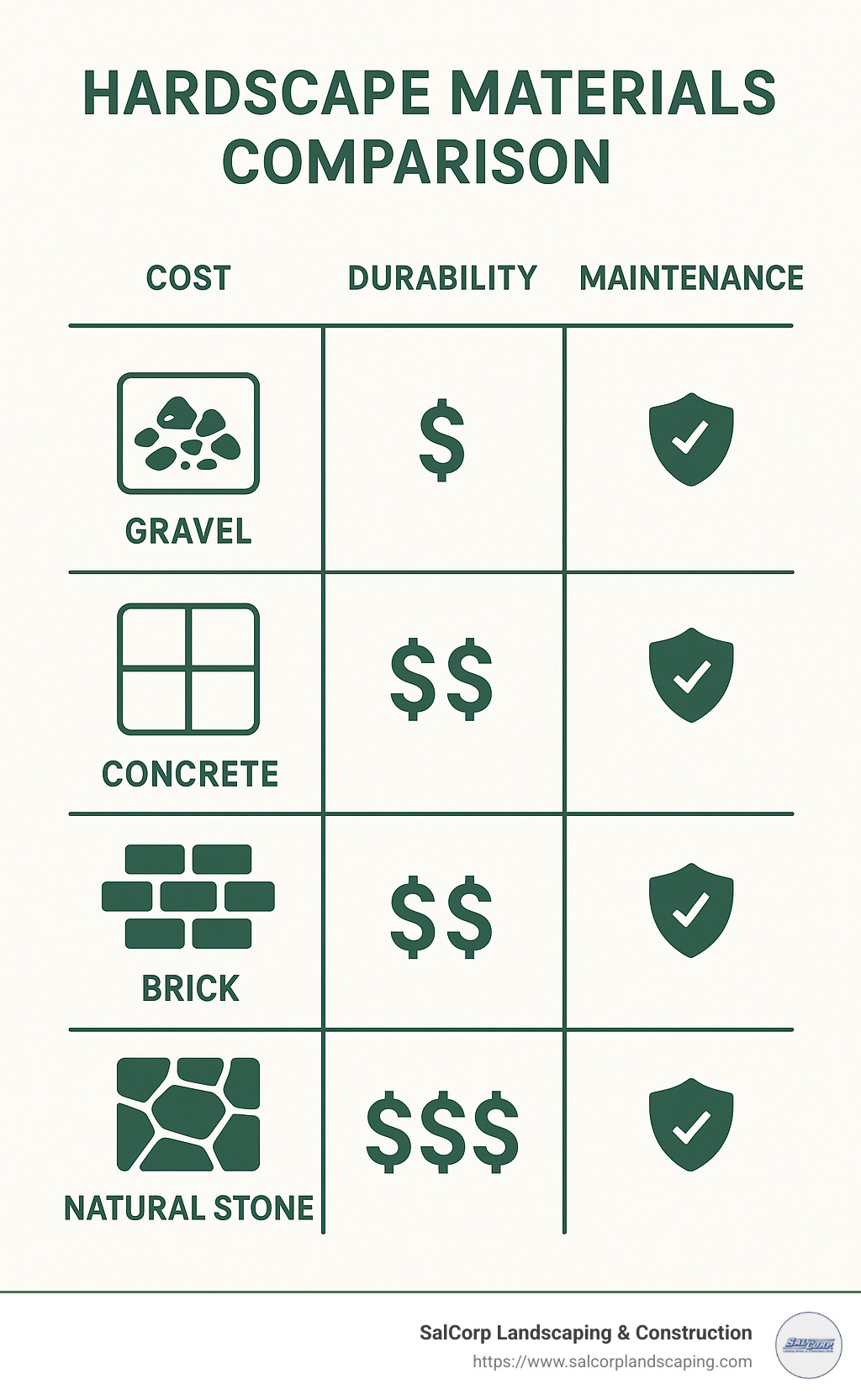
Natural Stone represents the premium option, offering best beauty and longevity. Each piece has its own character, creating truly unique installations. While the upfront cost is higher (often 30-50% more than manufactured materials), many homeowners find the investment worthwhile for the timeless appeal and minimal maintenance. I’ve had clients tell me ten years later that they’re still thrilled they chose natural stone for their patio.
Concrete Pavers hit the sweet spot for many homeowners, offering good durability with more consistent sizing and a wide range of colors and styles. Modern manufacturing techniques have created pavers that convincingly mimic natural stone at a lower price point. They typically require periodic sealing to maintain their appearance.
Brick provides that classic, timeless look that complements traditional New England architecture beautifully. Available in clay or concrete versions, brick creates a warm, established feel. In our Massachusetts climate, you’ll want to periodically check for cracking from freeze-thaw cycles.
Gravel or Crushed Stone offers the most economical option with excellent drainage properties. While the initial installation cost is lower, you’ll need to factor in occasional replenishment and more frequent weed control.
As I often explain to clients in Walpole and surrounding communities: “The initial cost difference between good and premium materials often becomes negligible when spread over the decades of enjoyment and reduced maintenance they provide.” A quality hardscape installation should last 20+ years with proper care.
Labor Expenses
Professional installation typically accounts for 40-50% of your total project cost. This includes:
The critical site preparation phase where we excavate, grade, and prepare the foundation for your hardscape. This invisible work actually determines how long your hardscape will last – skimp here, and you’ll pay later with settling and shifting.
Base installation requires proper material selection, delivery, precise layering, and compaction. For patios and walkways, the base is typically 4-8 inches deep depending on soil conditions and intended use.
The actual material installation involves precise cutting, fitting, pattern creation, and securing edges. This craftsmanship is where experienced hardscapers truly shine – the difference between an average installation and an exceptional one is in these details.
Finally, finishing work includes joint filling, cleaning, sealing when appropriate, and site restoration. We take pride in leaving your property clean and ready to enjoy.
Labor costs vary significantly based on project complexity, site accessibility, and special requirements. A simple rectangular patio on level ground will require less labor than a multi-level patio with curved edges on a sloped site.
Design Fees
For straightforward projects, basic design services are typically included in your quote. For more complex outdoor living spaces, you might consider:
Basic design services (usually included) cover layout, material selection, and simple renderings.
3D renderings and detailed plans help visualize complex projects and may carry additional fees.
Landscape architect services provide comprehensive design for large-scale or challenging projects and are typically charged separately.
At SalCorp, we tailor our design approach to match your project’s complexity. Sometimes a simple sketch is all you need, while other projects benefit from detailed plans that show exactly how all elements will come together.
Comparative Costs for Common Hardscape Features
Patios vary widely in cost based on size, materials, and complexity. According to internet data (not SalCorp pricing), average costs can range from $15-75 per square foot installed, with premium natural stone installations potentially reaching $150+ per square foot for complex designs. Larger patios benefit from economies of scale, with per-square-foot costs decreasing as size increases.
Walkways typically start around $20 per square foot for basic installations but can reach $100+ per square foot for elaborate designs with premium materials. A simple 4-foot wide walkway is usually the most economical hardscape feature you can add.
Retaining Walls vary dramatically in price based on height, material, and engineering requirements. Average costs from internet sources range from $30-150 per square foot, with engineered walls over 4 feet tall potentially reaching $300+ per square foot when accounting for drainage systems, engineering, and permits.
Outdoor Kitchens represent significant investments that transform how you use your outdoor space. Based on internet averages (not SalCorp pricing), basic grill stations might start around $5,000, while full custom outdoor kitchens with counters, appliances, and overhead structures can range from $15,000 to $100,000+ depending on features and materials.
Fire Features add warmth and focal points to your outdoor space. Simple fire pits might average $2,000-5,000 installed, while custom stone fire pits typically range from $5,000-10,000. Built-in fireplaces represent premium investments, potentially ranging from $10,000 to $30,000+ based on size, materials, and complexity.
At SalCorp Landscaping & Construction, we provide detailed, transparent quotes that break down all cost components. This helps our clients understand exactly what they’re investing in and make informed decisions about their hardscape projects.
Factors That Influence Hardscaping Costs
Beyond basic materials and labor, several other factors can significantly impact your project cost. Understanding these helps explain price differences between contractors’ quotes.
Property Accessibility matters more than many homeowners realize. When materials and equipment can’t easily reach your installation area, costs increase. Limited access requiring materials to be moved by hand can increase labor costs by 15-30%. Properties with steep slopes require additional safety measures, and protecting existing landscape features during construction adds time and care.
Soil Conditions beneath your hardscape significantly impact installation requirements and costs. Clay soils often require deeper excavation and additional drainage solutions. Rocky soil increases excavation time and may require specialized equipment. As one Walpole client finded: “What seemed like a simple patio installation became more complex when we finded poor drainage in the soil. SalCorp explained the additional steps needed to ensure our patio wouldn’t shift or settle over time.”
Drainage Requirements are essential for hardscape longevity in our Massachusetts climate. Basic surface grading is included in most installations, but French drains or other subsurface drainage systems add cost while preventing future problems. Permeable paving systems cost more initially but solve runoff issues and may be required in some municipalities.
Design Complexity directly impacts labor costs. Curved elements require more cutting and fitting than straight lines. Multiple material types create transition challenges requiring skilled installation. Intricate patterns take significantly longer to install than simple layouts.
Seasonal Timing can affect pricing. Peak season (spring/early summer) typically carries premium pricing due to high demand. Off-season projects (late fall/winter planning for spring installation) may qualify for discounts. Material prices often increase annually, so locking in quotes early can save money.
Regional Pricing Variations are significant. Urban areas like Boston typically have higher labor rates than suburban communities. Local building codes and permit requirements affect overall project costs. What’s commonly available in one region may be a premium import in another.
At SalCorp, we provide thorough site evaluations to identify these factors early in the planning process. This allows us to develop accurate estimates that account for your property’s unique conditions and prevent surprise costs during installation.
As one client in Needham shared: “What impressed me most was how thoroughly SalCorp assessed our property before providing a quote. They identified potential issues and solutions upfront, so we knew exactly what to expect.”
Return on Investment for Hardscape Features
Hardscaping isn’t just an expense—it’s an investment in your property that delivers both immediate benefits and long-term value. When weighing the costs, consider the returns you’ll receive.
Property Value Increase is substantial with quality hardscaping. According to industry data, thoughtfully designed and professionally installed hardscaping can boost your home’s market value by 5-15%. Outdoor living spaces with kitchens, fireplaces, or covered areas typically return 100-200% of their cost at resale. Retaining walls offer among the highest ROI of all hardscape features, with returns between 100-200%.
As one Boston real estate professional explained to me: “Homes with well-designed outdoor living spaces sell faster and for better prices than comparable properties without these features. Today’s buyers view outdoor space as an extension of the home’s living area.”
Outdoor Living Benefits go beyond dollars and cents. Hardscaping creates valuable lifestyle improvements that you’ll enjoy daily. Extended living space for family gatherings. Outdoor cooking and dining areas that encourage healthy outdoor time. Private retreats for relaxation. Safe play areas for children and pets.
One of our Walpole clients shared: “Our new patio and outdoor kitchen have completely changed how we use our home. We’re outdoors so much more now, and our friends always want to gather at our place. You can’t put a price tag on those experiences.”
Maintenance Savings are often overlooked when calculating ROI. Well-designed hardscaping actually reduces property maintenance costs over time. Reduced lawn area means less mowing, watering, and fertilizing. Properly installed hardscapes require minimal upkeep compared to lawns and gardens. Erosion control features prevent costly soil loss and landscape damage.
Curb Appeal Improvement matters, especially for property value. Improved entryways create positive impressions for visitors and potential buyers. Cohesive hardscape designs tie architectural elements together. Defined borders and edges create a neat, well-maintained appearance. Structural hardscape elements add visual interest year-round, unlike seasonal plantings.
Extended Outdoor Season is particularly valuable in Massachusetts, where our seasons limit outdoor time. Fire pits and outdoor fireplaces make evening and shoulder-season gatherings comfortable. Covered patios provide shade in summer and shelter in spring and fall. Outdoor kitchens eliminate indoor heat generation during summer cooking.
At SalCorp Landscaping & Construction, we design hardscape features with both immediate enjoyment and long-term value in mind. Our approach integrates aesthetic appeal with practical functionality, ensuring that your investment continues to pay dividends for years to come.
As I often tell clients: “The true return on investment comes not just at resale, but in the years of enjoyment, convenience, and pride you’ll experience from a well-designed outdoor space.”
Maintaining Your Hardscape Features for Longevity
One of the biggest perks of investing in professional hardscaping is how little maintenance it requires compared to traditional landscaping. That said, a little TLC goes a long way in keeping your outdoor features looking spectacular for decades to come. At SalCorp, we don’t just install and disappear – we make sure every client knows exactly how to preserve their investment.
Seasonal Maintenance Calendar
When the snow finally melts and Massachusetts spring arrives, it’s time for your first hardscape checkup of the year. Look closely for any winter damage – those freeze-thaw cycles can be tough on outdoor surfaces. A gentle pressure washing will remove winter grime, and it’s the perfect time to replace any joint sand that may have washed away.
“Spring is when we find what winter left behind,” says Sal Musto. “Taking care of small issues now prevents bigger headaches later.”
Summer maintenance is mostly about promptly tackling spills and stains. Those barbecue drips and sunscreen splatters are much easier to remove when fresh! It’s also the season to keep an eye on weed growth between pavers and make sure your irrigation isn’t causing erosion around your hardscape features.
Fall brings a beautiful blanket of leaves – that can unfortunately cause staining if left on your hardscape surfaces. This is also the ideal time for sealing if your particular materials need it. Before the first frost, make sure drainage systems are clear and outdoor furniture is properly stored.
Winter maintenance in Massachusetts requires some know-how. Metal shovels can damage delicate surfaces, and not all de-icing products are safe for all materials. We always advise clients on exactly which products work best for their specific installations.
Cleaning Techniques for Different Materials
Natural stone is gorgeous but does require material-specific care. While granite can handle more robust cleaning, limestone and marble need gentle, non-acidic cleaners to prevent etching. When pressure washing is appropriate, keep it below 2000 PSI to avoid damaging the surface. For stubborn stains, there are specialized stone cleaners that work wonders without harming the material.
Concrete pavers benefit from regular sweeping to prevent surface scratching. For general cleaning, mild detergent works well, but specific stains need targeted approaches. Oil stains respond well to a poultice made with cat litter before applying a degreaser, while rust needs an oxalic acid-based cleaner formulated specifically for concrete.
“My SalCorp patio still looks brand new after three harsh New England winters thanks to their seasonal maintenance guide,” shares one happy Walpole client. “Just a few simple steps each season makes all the difference.”
Brick hardscaping needs a gentler touch to preserve its beautiful texture. Skip the high-pressure washing that can damage mortar, and opt for soft brushes rather than wire ones. For mineral deposits, a mild vinegar solution often works well (though always test in an inconspicuous spot first).
Wood elements like pergolas and decking require regular inspection for splinters or damage. Clean with appropriate wood cleaners and keep up with manufacturer-recommended re-staining or sealing schedules. Always check for signs of insect activity or rot during your seasonal inspections.
Sealing Requirements
Proper sealing is your hardscape’s shield against staining, weather damage, and everyday wear:
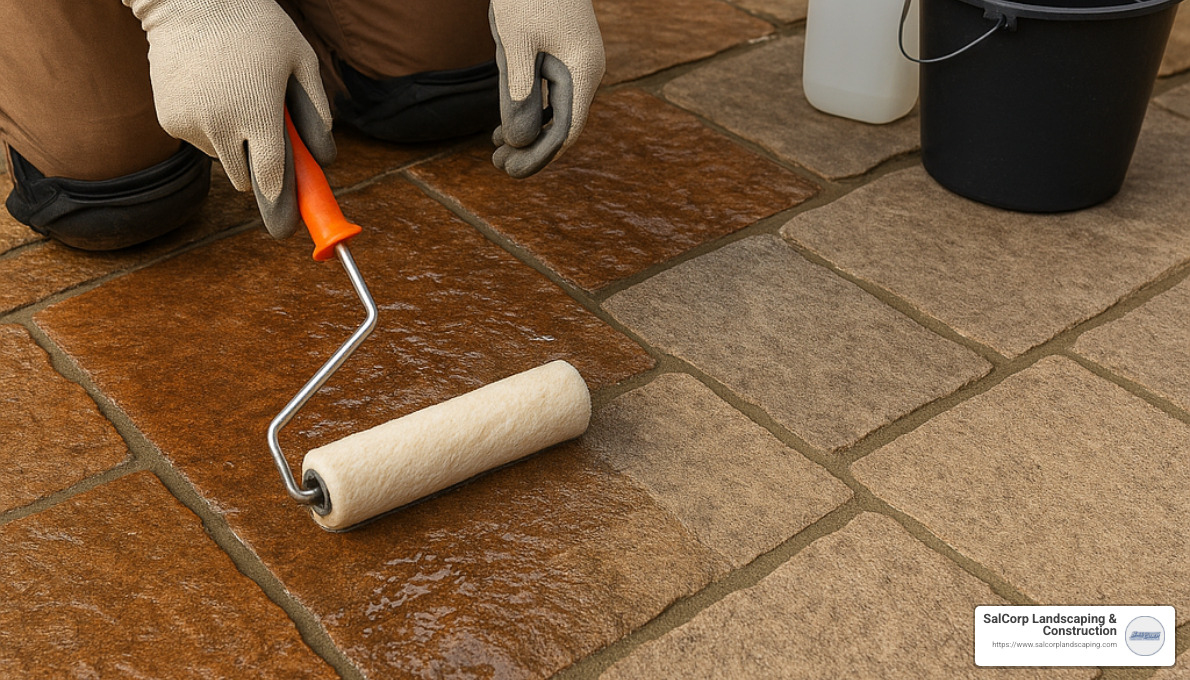
Most new installations need 60-90 days to cure before sealing, and reapplication typically happens every 2-5 years depending on the material and exposure. How do you know it’s time to reseal? Water should bead on properly sealed surfaces – if it’s soaking in instead, or if you notice fading or increased staining, it’s probably time.
Different sealers serve different purposes. Penetrating sealers are ideal for natural stone, protecting without changing the appearance. If you want to improve the color while protecting, enhancing sealers are your best bet. For a protective layer with some shine, film-forming sealers do the job.
Application timing matters – aim for dry weather with temperatures between 50-85°F, and make sure no rain is forecast for 24-48 hours afterward. Always follow the manufacturer’s directions for the number of coats and drying time between applications.
Repair Considerations
Even the best hardscaping may need occasional repairs. For paver installations, it’s wise to keep some spare materials for future repairs, especially if you’ve chosen custom colors. Individual pavers can be replaced if damaged, and resetting any that have heaved requires proper base preparation.
For walls, watch for any bulging or leaning that might indicate drainage issues. Replace damaged blocks or stones promptly, and pay special attention to cap stones – water infiltration there can cause bigger problems down the line.
With concrete features, address cracks promptly to prevent expansion. The appropriate filler depends on the crack width and material. And remember, some natural stone patinas and minor cracking are actually considered character development rather than damage – part of the material’s natural aging process that many homeowners appreciate.
Professional Maintenance Services
While many maintenance tasks are DIY-friendly, some situations call for professional help. Annual or bi-annual professional cleaning and inspection can catch small issues before they become big problems. Sealer application for large areas is often best left to pros, as is any structural repair to retaining walls or steps.
At SalCorp Landscaping & Construction, we offer maintenance programs for our installation clients, providing regular professional care that extends the life and beauty of hardscape features. Our team is also available for specific maintenance tasks or to address concerns as they arise.
“Having SalCorp return annually for professional cleaning and inspection gives us peace of mind,” shares a long-term client in Newton. “They catch small issues before they become problems, and our outdoor spaces always look refreshed afterward.”
Common Maintenance Tasks for Different Hardscape Materials
Each hardscape material has its own personality – and its own maintenance needs. Here’s how to keep the most common materials looking their best year after year:
Natural Stone Care
Granite is the low-maintenance champion of natural stone. A simple cleaning with mild soap and water is usually all it needs, though sealing high-use areas can provide extra protection. It stands up well to pressure washing and resists most stains and chemicals beautifully.
Bluestone, a Massachusetts favorite, needs regular sweeping to prevent scratching from debris. Clean it with pH-neutral cleaners (acidic solutions can damage it), and consider sealing to prevent water absorption and winter damage. Many homeowners appreciate the natural patina bluestone develops over time.
Limestone and travertine require more attention as they’re more porous and susceptible to etching from acidic substances. Clean with stone-specific neutral cleaners only, and plan on resealing every 1-2 years. The golden rule with these stones: wipe spills immediately to prevent staining.
“We’ve found that a quick rinse with the garden hose every few weeks keeps our bluestone looking great,” shares a SalCorp client in Walpole. “Once a year we do a more thorough cleaning, but it’s remarkably low-maintenance.”
Concrete Paver Maintenance
Today’s concrete pavers offer excellent durability with proper care. Regular sweeping prevents debris that can cause surface abrasion. Prompt stain treatment is key – different stains need different approaches. For oil and grease, try a poultice with cat litter followed by a specialized degreaser. Rust responds well to oxalic acid-based cleaners formulated for concrete, while organic stains can be treated with oxygen bleach solutions (avoid chlorine bleach).
Don’t forget about the joints between pavers. Replenishing joint sand every 2-3 years helps keep pavers stable, and polymeric sand reduces weed growth and ant activity. A fresh seal every 3-5 years maintains color and stain resistance.
Brick Upkeep
Clay brick hardscapes have a timeless appeal but need specific care. Clean gently to preserve the fired surface, and if you have mortared installation, inspect those joints annually. That white powdery residue that sometimes appears (efflorescence) can be addressed with specialized cleaners.
Shaded brick areas may develop moss or algae – regular cleaning prevents this. When winter arrives, avoid salt-based de-icers which can damage brick surfaces. And always replace cracked bricks promptly to prevent pattern disruption.
Wood Preservation
Wooden elements like decks, pergolas, and fences need annual cleaning with appropriate wood cleaners. Regularly check for and replace damaged or rotting boards, and keep an eye out for loose fasteners or structural issues.
The refinishing schedule depends on your finish type: transparent stains typically need refreshing every 1-2 years, semi-transparent stains every 2-3 years, and solid stains or paint every 3-5 years. Always maintain proper ventilation around wood structures and keep surfaces clear of debris that traps moisture.
Metal Element Protection
For railings, fire features, and decorative elements, regular inspection for rust or corrosion is key. Clean with appropriate metal cleaners, touch up protective finishes as needed, and check connections and fasteners for security. Some metal finishes benefit from an annual application of protective wax.
At SalCorp Landscaping & Construction, we remind our clients that a small investment in regular maintenance prevents more costly repairs later. Our maintenance teams are available throughout Massachusetts to provide professional care for hardscape installations, ensuring they remain beautiful and functional for decades.
Think of maintenance not as a chore, but as protecting your investment – one that adds value to your property and enjoyment to your life every day.
Frequently Asked Questions about Hardscapers Near Me
Let’s face it—searching for “Hardscapers Near Me” brings up a lot of options but also raises plenty of questions. After two decades of changing outdoor spaces across Massachusetts, we at SalCorp Landscaping & Construction have heard just about every question homeowners have when considering a hardscape project. Here are straightforward answers to the questions we hear most often:
How Do I Know if a Hardscaper is Properly Licensed and Insured?
This is probably the most important question you can ask—and for good reason! Hiring an unqualified or uninsured contractor can lead to serious headaches (and expenses) down the road.
In Massachusetts, legitimate hardscape contractors should have, at minimum, a Home Improvement Contractor (HIC) registration. For projects involving significant structures or grading work, they may also need a Construction Supervisor License (CSL). Don’t just take their word for it—ask for those license numbers and verify them yourself through the Massachusetts Office of Consumer Affairs and Business Regulation website.
As for insurance, you’re looking for two essential types of coverage:
General Liability Insurance (minimum $1 million) protects your property from damage during the project. Think of it as your safety net if something goes wrong.
Workers’ Compensation Insurance covers workers who might get injured on your property. Without this, you could potentially be liable for medical bills if someone gets hurt—not a position you want to be in!
“I learned this lesson the hard way,” one Newton homeowner told us. “I hired a contractor without checking insurance, and when a worker was injured, I found myself potentially liable. Now I always verify insurance before any work begins on my property.”
When checking insurance, don’t just glance at the certificate. Call the insurance provider to verify the policy is active, and make sure your address is listed for the project period. For larger projects, you might even consider asking to be added as an “additional insured.”
Beyond these basics, look for membership in industry associations like the National Association of Landscape Professionals, certifications from organizations like the Interlocking Concrete Pavement Institute, and local Better Business Bureau accreditation. These aren’t just fancy titles—they indicate a commitment to professional standards and ongoing education.
What is the Best Time of Year to Start a Hardscaping Project?
Timing can make a big difference in how smoothly your project goes, especially here in Massachusetts where we experience all four seasons in their full glory (and sometimes all four in one week!).
Spring (April-June) offers ideal conditions with good soil moisture and comfortable working temperatures. You’ll also get to enjoy your new outdoor space for the full season ahead. The downside? Everyone else wants their project done in spring too, so you might face scheduling delays. Spring rain can also slow things down. Still, this is generally the sweet spot for most hardscape projects, especially those integrated with plantings.
Summer (July-August) brings drier conditions and faster curing times for concrete and mortar. The tradeoff is that intense heat can make some installations challenging, and you’ll likely pay premium pricing during this peak season. Summer works well for smaller projects or pool surrounds that you want completed before swimming season ends.
Fall (September-November) offers cooler working conditions, often more contractor availability, and potentially better pricing as the busy season winds down. The main challenges are shorter daylight hours and the approaching winter, which might rush completion. Patios, walkways, and projects not requiring extensive planting work beautifully in fall.
Winter (December-March) is when actual installation work largely stops in Massachusetts due to frozen ground. However, it’s the perfect time for planning, design work, and material selection. Many homeowners don’t realize that winter planning can secure early spring installation dates and sometimes even early booking discounts.
Proper hardscape installation generally requires temperatures above 40°F for materials to set and cure properly. If you’re thinking about a spring or summer project, I’d recommend scheduling 2-3 months in advance. For the best results, start the design process 3-6 months before your desired installation date.
How Long Do Professional Hardscape Features Typically Last?
One of the things I love most about hardscaping is its incredible longevity compared to other home improvements. When properly installed, many hardscape features will outlast the time you own your home!
Natural Stone is the champion of durability, with a lifespan of 50+ years to virtually lifetime. Granite and bluestone—two materials we use frequently in Massachusetts—are particularly resilient in our New England climate. They may develop a beautiful patina over time, but their structural integrity remains rock-solid with minimal maintenance.
Concrete Pavers typically last 25-50+ years depending on quality. Higher-end pavers installed with proper techniques can easily reach the upper end of that range. Colors may fade slightly over decades of sun exposure, but the structural integrity remains, and individual pavers can be replaced if damaged.
Brick installations can last anywhere from 25 to 100+ years, depending on quality and installation. Just look at some of the historic brick walkways around Massachusetts that have withstood centuries! In our freeze-thaw climate, the mortar may need repointing every 10-20 years, but the brick itself is remarkably durable.
Wood Elements like pergolas and decking have shorter lifespans, typically 10-30 years depending on the species and treatment. Cedar and redwood generally last 15-20 years with proper maintenance, while pressure-treated pine might give you 10-15 good years. Composite materials can extend this to 25-30 years with less maintenance required.
The installation quality makes an enormous difference in longevity. A properly prepared base with adequate depth, compaction, and drainage prevents the settling and shifting that often doom lesser installations. As one of our long-term Walpole clients observed: “The patio SalCorp installed for us 15 years ago still looks amazing. The attention to detail in the base preparation has prevented any settling or shifting that I’ve seen in my neighbors’ DIY projects.”
Regular maintenance also plays a crucial role. Simple tasks like periodic cleaning, appropriate sealing, and prompt repairs of minor issues can significantly extend the life of your hardscape features. Our Massachusetts climate presents specific challenges with freeze-thaw cycles, so professional installation that accounts for these conditions is especially important.
Most quality hardscape installations come with warranties—typically 1-5 years for workmanship and 10+ years for materials from reputable manufacturers. At SalCorp, we stand behind our work with comprehensive warranties because we build our hardscape features to last generations, not just seasons.
When you’re searching for “Hardscapers Near Me,” remember that the initial investment in quality materials and professional installation pays dividends in longevity, enjoyment, and property value for decades to come.
Conclusion
Finding the right “Hardscapers Near Me” is like searching for a trusted partner who’ll help transform your outdoor dreams into reality. Throughout this guide, we’ve walked together through hardscaping—from understanding what those stone patios and retaining walls can do for your property to finding professionals who’ll install them properly and maintain them for years to come.
As I’ve seen countless times while working with Massachusetts homeowners, the right hardscape elements don’t just improve your property—they change how you live in it. Those weekend barbecues, quiet morning coffees on the patio, and neighborhood gatherings all become more enjoyable with thoughtfully designed outdoor spaces.
When planning your hardscape project, keep these friendly reminders close:
Quality isn’t just a luxury—it’s an investment that pays off. Professional hardscaping can deliver returns of 100-200% on your investment while providing decades of enjoyment. That beautiful patio or neat retaining wall isn’t just pretty—it’s adding real dollars to your property value.
Experience really does matter in this field. Those invisible elements—the proper base preparation, the perfect slope for drainage, the right materials for our harsh New England winters—these come from years of hands-on knowledge. At SalCorp, our two decades of experience throughout Massachusetts communities means we’ve seen and solved just about every hardscaping challenge imaginable.
Clear communication makes all the difference between a good project and a great one. The best contractors will listen carefully to your vision, ask thoughtful questions about how you’ll use the space, and provide detailed proposals that align with both your dreams and your budget.
Material selection is where science meets art. Those pavers or stones need to complement your home’s character while standing up to our Massachusetts freeze-thaw cycles. While premium materials might cost more upfront, they typically look better longer and require less maintenance—saving you money and headaches over time.
Installation fundamentals can’t be compromised. That invisible 8-12 inches of properly compacted base material might not be exciting, but it’s what keeps your patio from shifting and settling after the first winter. Professional installation addresses these critical elements that photos don’t capture but that make all the difference in longevity.
Simple maintenance preserves your investment. Even the most durable hardscape features benefit from a little attention. A seasonal cleaning, occasional joint sand refreshing, or prompt stain removal will keep your outdoor spaces looking beautiful for decades to come.
At SalCorp Landscaping & Construction, creating exceptional outdoor living spaces isn’t just our business—it’s our passion. As a hands-on, owner-operated company, we bring a personal touch to every project. When you call us, you’re speaking directly with the decision-makers who will be on site ensuring your project meets our exacting standards.
I’ve seen how a well-designed patio can become the heart of family gatherings, how a thoughtful walkway can improve daily routines, and how proper drainage solutions can solve problems homeowners have battled for years. These changes are what make our work so rewarding.
Whether you’re considering a simple stone pathway or dreaming of a complete outdoor living space with a kitchen and fire pit, we’d love to help you explore the possibilities. Our commitment to quality materials, expert installation, and genuine client satisfaction has made us a trusted resource in communities from Boston to Walpole and throughout eastern Massachusetts.
Ready to transform your outdoor space? Let’s talk about how our hardscaping expertise can improve your property’s beauty, functionality, and value for years to come.
Hardscaping Services Near Me
https://www.salcorplandscaping.com/hardscaping/