

Lawn Sprinkler & Irrigation Installation in Massachusetts
Professionally designed in-ground irrigation systems that take the hose out of your lawn care routine. Custom zone layouts, smart controllers, and seasonal winterization built for New England winters.
Get Your Free Estimate

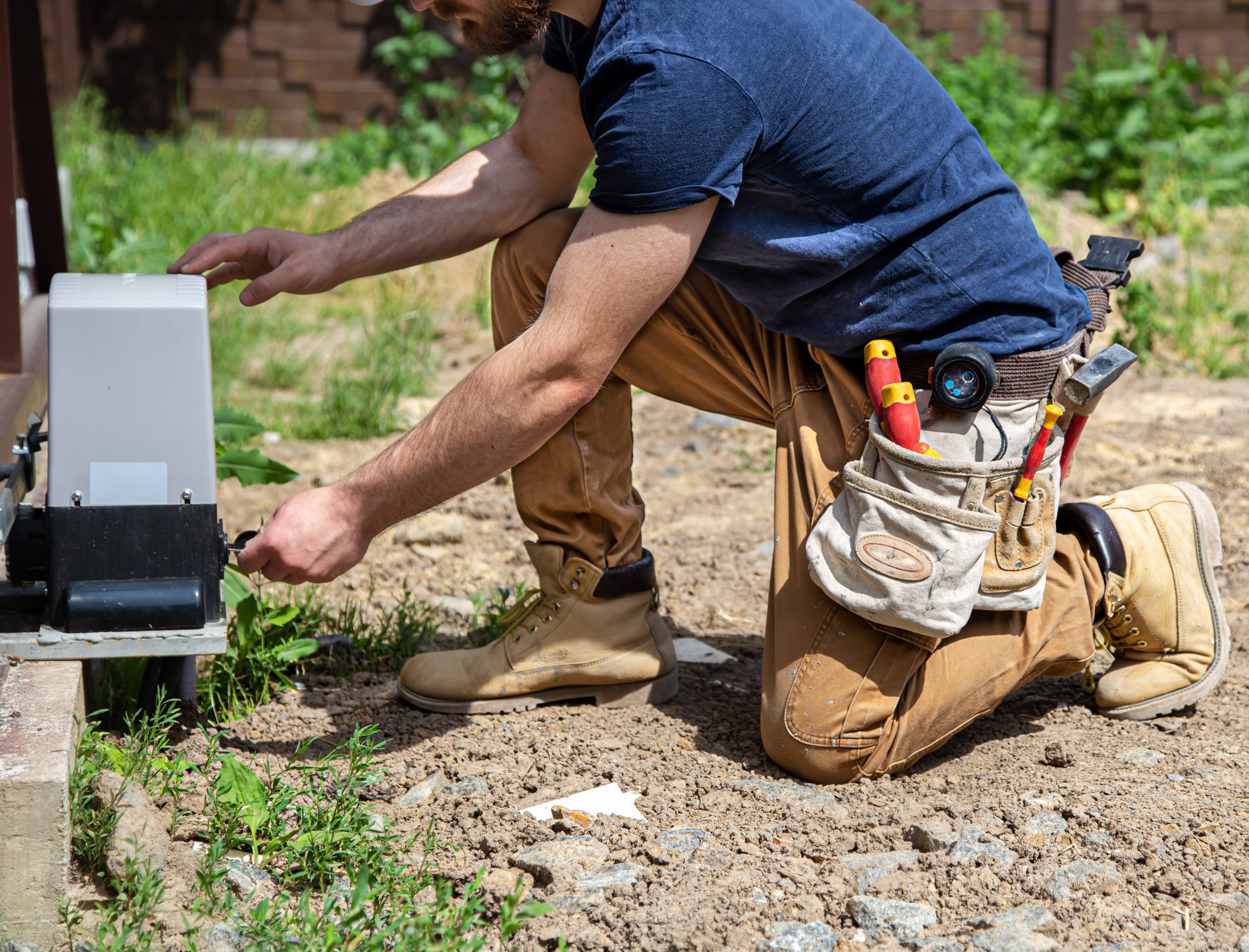

In-Ground Irrigation Designed for New England Lawns
An in-ground sprinkler system isn't just a convenience — it's the single biggest upgrade you can make to a Massachusetts lawn. Done right, it delivers consistent deep watering across every zone, adjusts automatically to weather and season, and keeps your grass green through July droughts without you lifting a hose. Done wrong, it wastes water, creates dry spots, and breaks every spring when winter freezes pipes that should have been blown out. At SalCorp Landscaping & Construction, we design, install, service, and winterize irrigation systems across Norfolk and Plymouth counties — and we treat every system as a long-term investment in the property, not a one-and-done install.
Why Massachusetts Homeowners Install In-Ground Irrigation
The reasons go well beyond convenience. Six things a properly designed system delivers that hose watering never can:
Consistent Deep Watering
Sprinklers deliver uniform coverage to every square foot of lawn, at the depth and frequency grass actually needs. No more dry corners, no more drowned spots, no more "I forgot to water Tuesday."
Smart Water Conservation
Modern weather-based controllers reduce water use by 30-50% compared to manual watering. The system skips watering on rainy days, adjusts to seasonal evapotranspiration, and waters at dawn when evaporation is lowest.
Healthier Lawn, Less Disease
Watering at 4-6 AM lets the grass dry off during the day, dramatically reducing fungal diseases like brown patch and dollar spot that thrive on wet overnight leaves — a real issue in humid Massachusetts summers.
Property Value
In-ground irrigation is a documented home-improvement value-add at resale, particularly on properties where landscape investment is already visible. Buyers see a maintained system; appraisers count it as an improvement.
Coverage for Hard-to-Reach Areas
Side yards, narrow strips, areas behind hedges, and beds tucked against the house get watered properly — areas that almost always get neglected when watering by hand. Each gets its own zone with appropriate heads.
Time Back in Your Weekend
For a typical quarter-acre Massachusetts lot, manual watering takes 2-3 hours per session, 2-3 times per week through the growing season. That's 100+ hours a year an in-ground system gives you back.
Our Installation Process
Every system we install follows the same nine-step sequence. Each step matters — irrigation is one of those installations where the details that nobody sees determine whether the system performs for 20 years or fails within five.
Site Assessment & PSI/GPM Test
We measure your home's actual water pressure (PSI) and flow rate (GPM) at the hose bib. These numbers determine how many heads you can run per zone and what type of heads we can use. Skipping this is the most common cause of underperforming systems.
Custom System Design
We design the zone layout based on sun exposure, plant type, hardscape edges, and water needs across the property. Lawn zones use spray heads or rotors at appropriate spacing; planting beds get drip irrigation; everything is sized to your measured flow.
Permitting & Utility Locates
We pull required plumbing permits for your town, coordinate the backflow prevention requirements, and call 811 to mark underground utilities before any trenching. Most Massachusetts towns require permitting because of the water-supply connection.
Trenching
Trenches are cut with a vibratory plow or trencher, 8-12 inches deep depending on the zone. The plow technique minimizes lawn disruption — the grass is sliced rather than torn, and most lawns recover within 2-3 weeks. Driveway crossings are sleeved in PVC conduit.
Water Connection & Backflow
The system ties into your home's water supply with a dedicated shut-off valve for serviceability. A backflow prevention device — typically a pressure vacuum breaker or double-check assembly depending on your town's requirements — protects the municipal water supply.
Manifold & Zone Valves
Zone valves are installed in a valve box flush with grade, with 24V control wires routed back to where the controller will be mounted. Each zone gets its own valve so different areas can be watered independently based on need.
Lateral Lines & Head Installation
Lateral lines run from each zone valve to the heads in that zone. Pop-up sprinkler heads are set flush with grade on flexible swing joints (so they survive being driven over by mowers and don't crack at the supply line). The 18-inch rule keeps heads back from hardscape edges.
Controller & Smart Programming
We install a smart controller (Hunter Hydrawise, Rain Bird, or Rachio depending on your preference) and program zone-by-zone schedules. Smart controllers integrate with weather data to skip watering when rain is forecast and adjust seasonally — the single biggest water-savings feature.
Testing & Walkthrough
Every zone runs through a full cycle, every head is checked for coverage and adjusted, and we walk you through the system: how to operate it, how to recognize problems, what to do if a head gets damaged. We also schedule the fall winterization before we leave.
Sprinkler & Irrigation Services We Offer
From first-time installations to system overhauls and seasonal service, we cover the full life cycle of an in-ground irrigation system in Massachusetts.
New System Installation
Full residential in-ground irrigation system design and installation, from initial site assessment through smart controller programming. Custom-engineered for your specific property, soil, and water pressure.
Most common serviceSystem Repair & Troubleshooting
Broken pipes, leaking valves, electrical issues with the controller, heads that won't pop up, zones that won't run, dry spots in coverage — we diagnose and fix existing systems regardless of who originally installed them.
Existing systemsSpring Startup & Activation
Pressurize the system, check every zone, replace broken heads, adjust nozzles, test the backflow preventer, and update controller programming for the new season. Recommended every spring before the heat hits.
Annual serviceFall Winterization (Blow-Out)
Compressed-air blow-out of all lines and heads to remove water before the first freeze. Critical in Massachusetts — skipping winterization is the #1 cause of irrigation damage in New England. Schedule by late September.
Required in MASystem Redesign & Upgrades
Older systems often have too many heads per zone, undersized pipes, or simple analog controllers. We redesign zones, upgrade to smart controllers, replace inefficient heads with high-efficiency rotors, and rework areas where coverage has always been poor.
ModernizationSmart Controller Upgrades
Swap your old timer for a weather-based smart controller (Wi-Fi-connected, app-controlled, EPA WaterSense rated). Most homeowners see immediate 30%+ water savings just from the controller upgrade alone.
Quick ROIDrip Irrigation for Beds
Planting beds, hedges, vegetable gardens, and container plantings water more efficiently with low-flow drip irrigation than with overhead sprinklers. Often added as a dedicated zone tied into the main controller.
For beds & gardensBackflow Testing & Compliance
Massachusetts towns require annual backflow preventer testing by certified testers. We test, certify, repair, and file the results with your town as required, keeping your system in compliance.
Annual requirementCommercial Irrigation
Larger residential properties, HOAs, condo complexes, and commercial sites have different needs than typical single-family installs — more zones, higher flow demands, central controllers, and specific scheduling requirements.
Commercial & HOATwo Decades of Irrigation Work in Massachusetts
20+
Years installing systems
across Massachusetts
Smart
Weather-based controllers,
30-50% water savings
Licensed
Fully insured &
workmanship guaranteed
Local
Norfolk County based
since 2004
Sprinkler & Irrigation FAQs
How do you install an in-ground sprinkler system?
Installing an in-ground sprinkler system involves planning a zoned layout, digging 6-12 inch trenches, connecting pipes to a water source, installing a backflow preventer and zone valves, placing pop-up sprinkler heads for head-to-head coverage, wiring zone valves to a programmable controller, and pressure-testing the system before backfilling. Professional installation also includes calculating your home's water pressure (PSI) and flow rate (GPM) to size each zone correctly, coordinating with utility locates before excavation, and configuring the controller for the local climate. In Massachusetts, every system must include winterization-friendly fittings so the system can be drained or blown out before the first hard freeze.
What is the 18-inch rule for sprinklers?
The 18-inch rule refers to keeping sprinkler heads at least 18 inches away from hardscape edges like sidewalks, driveways, and patios. This spacing accomplishes two things: it keeps the spray pattern from wasting water on impervious surfaces that don't need it, and it gives the heads enough soil clearance to avoid being damaged by edging equipment, snow plows, and foot traffic along walkway edges. Some contractors and rotary head specs use slightly different setbacks, but 18 inches is a widely-accepted minimum that produces a clean, professional installation.
How deep should you bury irrigation lines in Massachusetts?
In Massachusetts, we bury irrigation supply lines 8-12 inches deep, with the lateral lines feeding sprinkler heads at the shallower end of that range. The depth keeps lines below most lawn-care activity (aerator tines, dethatcher blades, edging) while staying within reach for service and seasonal winterization. Massachusetts irrigation systems aren't buried below the frost line (roughly 48 inches in eastern MA) because the systems are drained or blown out each fall before the ground freezes — so frost protection comes from winterization, not depth. Any line crossing under driveways or hardscape is sleeved in larger conduit for future serviceability.
Is an in-ground sprinkler system worth it?
For most Massachusetts homeowners with a quarter acre or more of lawn, the answer is yes — an in-ground system pays for itself in time savings, water efficiency, and lawn health within a few seasons. Smart controllers with weather-based scheduling typically reduce water usage by 30-50% compared to manual watering, since they water only when needed and at the most efficient time of day. The lawn itself benefits from consistent deep watering rather than the sporadic shallow watering most homeowners deliver by hand. And the time savings — no more dragging hoses, repositioning sprinklers, or rushing home to shut things off — is substantial. The systems also add measurable property value at resale.
How many sprinklers can you run on one zone?
The number of sprinkler heads per zone depends entirely on your home's water pressure and flow rate, not on a fixed number. Each sprinkler head has a specified flow rate (typically 1.5-4 gallons per minute for spray heads, 2-5+ for rotors). The total flow of all heads on a single zone has to be less than your home's available flow at the operating pressure. A typical residential property with 8-10 GPM available flow might support 4-6 spray heads or 2-3 rotors per zone. We calculate this precisely during the design phase using measured PSI and GPM at your property — it's the single biggest factor in system performance.
How long should I run my sprinklers in each zone?
Run times vary by head type, soil, and season. As a starting point: spray heads typically run 15-20 minutes per zone, while rotors run 30-45 minutes per zone because they cover larger areas with lower precipitation rates. The goal is deep watering that reaches 4-6 inches into the soil, typically 2-3 days per week rather than light daily watering. Clay-heavy Massachusetts soils benefit from cycle-and-soak programming — splitting each run into two shorter cycles 30-60 minutes apart — so water has time to absorb instead of running off. We program your controller during installation and recommend seasonal adjustments through the year.
Do I need a permit for an in-ground sprinkler in Massachusetts?
Permit requirements vary by town in Massachusetts. Most towns require a plumbing permit because the system ties into the home's water supply, and many require an approved backflow prevention device with annual testing. Some towns also require a registered irrigation contractor to perform the water connection. A few towns regulate the irrigation controller through a water conservation ordinance. We research the specific requirements for your town, pull permits when required, install the proper backflow device for your situation, and coordinate the initial backflow test. Compliance protects both your water system and the municipal water supply.
When should an irrigation system be winterized in Massachusetts?
Massachusetts irrigation systems should be winterized in October or early November — before the first hard freeze but after the lawn no longer needs watering. Winterization involves shutting off the water supply to the system, draining the backflow preventer, and using compressed air to blow out the lines so no water remains trapped in pipes or heads. Skipping winterization is the #1 cause of irrigation system damage in New England: trapped water freezes, expands, and cracks pipes, valves, and head bodies — turning a $200 winterization into a $2,000+ spring repair. We winterize hundreds of systems each fall and recommend scheduling by late September to ensure timing.
Ready to Plan Your Irrigation System?
Schedule a free on-site assessment with SalCorp. We'll measure your water pressure, map your zones, and design a system built for Massachusetts conditions.
Schedule Your Assessment