

Retaining Wall Contractor: Top 3 Best Picks 2025

Searching for a retaining wall contractor? Here are the essentials you need to start:
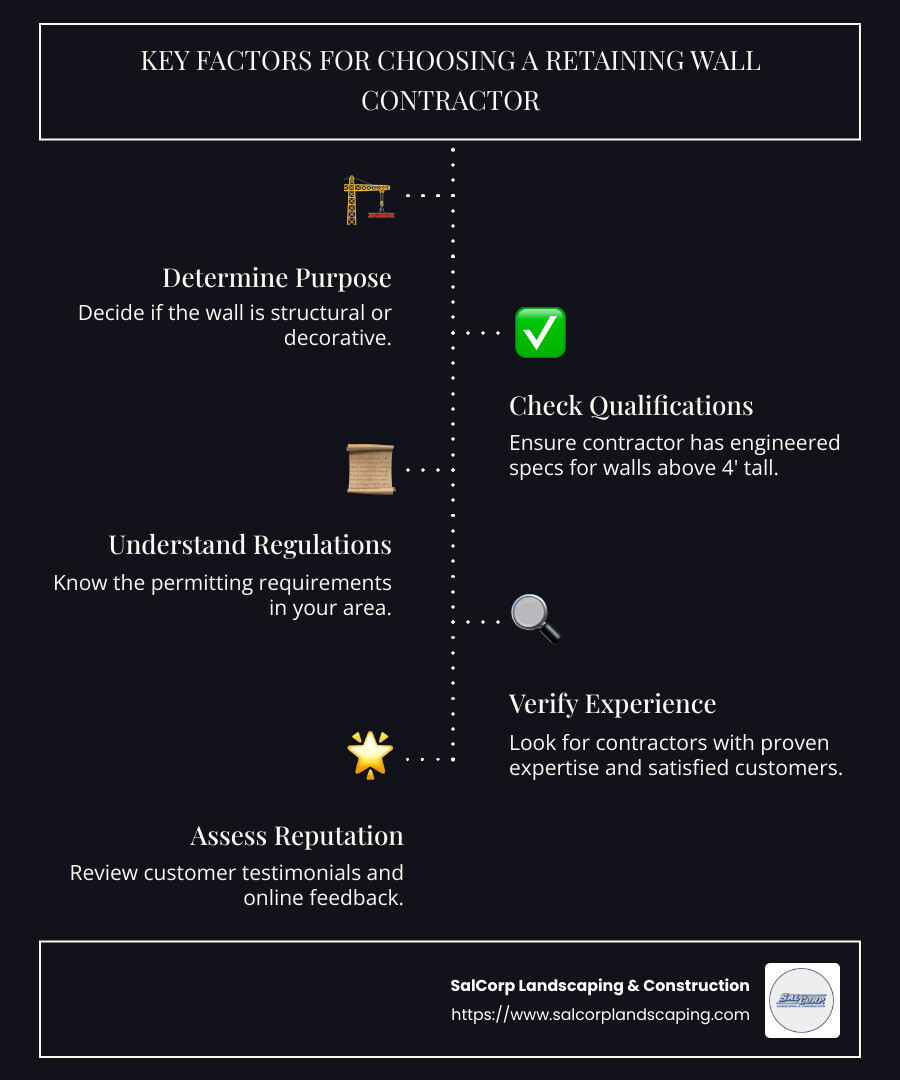
– Determine the purpose: Is the wall structural or decorative?
– Check qualifications: Ensure the contractor has engineered specs for walls above 4′ tall.
– Understand regulations: Know the permitting requirements in your area.
– Verify experience: Look for contractors with verified walls and satisfied customers.
A retaining wall contractor plays a crucial role in maintaining the safety and aesthetics of your property, especially in the varied landscapes of Massachusetts. Retaining walls are essential structures that hold back soil, prevent erosion, and improve outdoor spaces’ functionality and beauty. Choosing the right contractor ensures that your wall is built to last, complies with regulations, and meets your personal or property’s specific needs.
I’m Sal Musto, with over 20 years of experience in landscaping and hardscaping through SalCorp Landscaping & Construction. My expertise includes working as a retaining wall contractor, creating durable and beautiful structures across various locations in Massachusetts. In the following sections, I’ll guide you through understanding retaining walls and choosing the right contractor.
Retaining wall contractor word list:
– retaining wall design
– how much does a retaining wall cost
– retaining wall landscaping
Understanding Retaining Walls
Retaining walls are more than just functional structures; they’re essential for managing landscapes and preventing erosion. They hold back soil, create level areas on sloped properties, and can even add aesthetic appeal to your outdoor space. Understanding the types and materials used in retaining walls is crucial when planning your project.
Types of Retaining Walls
- Gravity Walls
These walls rely on their weight to hold back soil. They are often made from heavy materials like stone or concrete blocks. Gravity walls are suitable for low to medium heights and offer a timeless, traditional look. - Cantilevered Walls
These are engineered walls that use a reinforced concrete slab or beams. They provide excellent strength and are ideal for medium to high walls. Cantilevered walls can be customized to match modern landscape styles. - Anchored Walls
Anchored walls are designed for significant soil pressures and are suitable for high walls. They use anchors driven into the soil for extra stability and can be made from various materials, offering versatility in design. - Sheet Piling Walls
These are used in areas with limited space or challenging soil conditions. Constructed using interlocking panels of steel, vinyl, or wood, they are ideal for tight spaces or near water bodies.
Common Materials Used
Selecting the right material for your retaining wall is essential for both durability and aesthetics. Here are some common options:
- Concrete Blocks
Concrete blocks are versatile and durable, making them a popular choice. They come in various shapes and sizes, allowing for creative designs. - Wood
Wood offers a natural, warm appearance but requires more maintenance to prevent decay. It’s often used for temporary or decorative walls. - Poured Concrete
Poured concrete provides a sleek, modern look and is one of the most cost-effective options for permanent walls. It’s also faster to install than individual blocks. - Bricks
Bricks offer a classic appearance and are durable, making them suitable for both traditional and contemporary designs. They require professional installation for best results. - Stones
Natural stone is prized for its beauty and strength. Although more expensive, it provides a timeless elegance and blends seamlessly with natural landscapes.
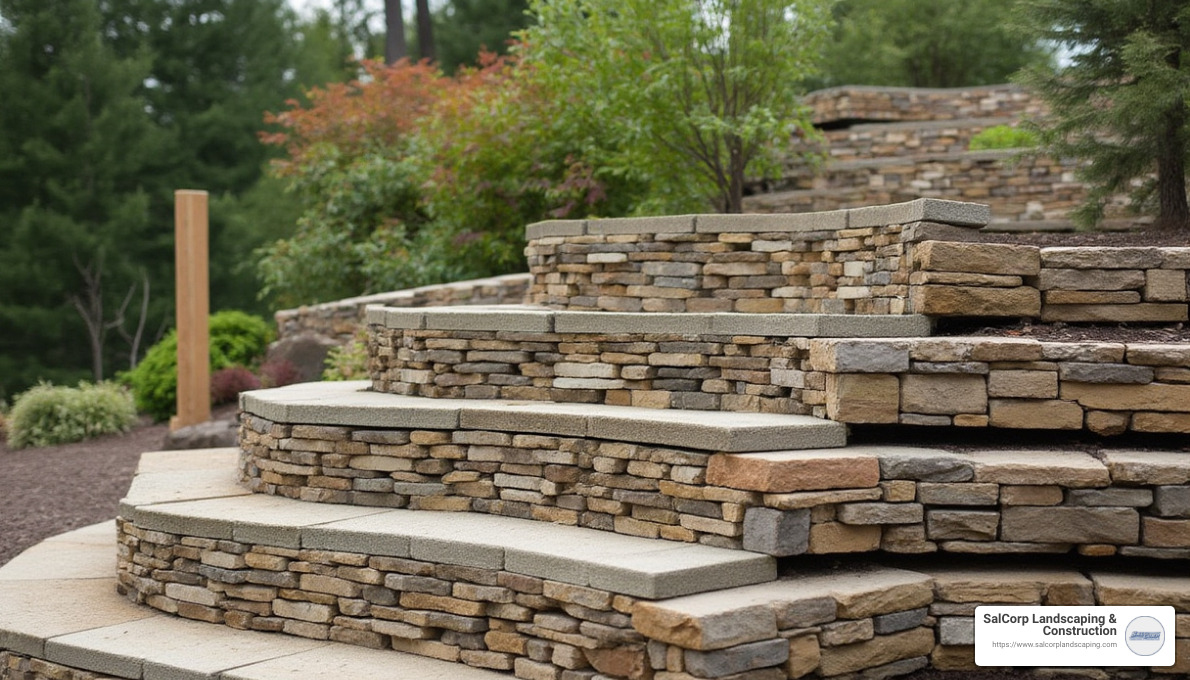
Each type and material has its unique advantages and considerations. Whether you’re looking for a sturdy structure to prevent soil erosion or a decorative addition to your garden, understanding these options will help you make an informed decision.
In the next section, we’ll explore the factors to consider when choosing a retaining wall contractor, ensuring your project is handled by skilled professionals.
Factors to Consider When Choosing a Retaining Wall Contractor
When starting on a retaining wall project, selecting the right retaining wall contractor is crucial. Here are the key factors to consider:
Experience and Expertise
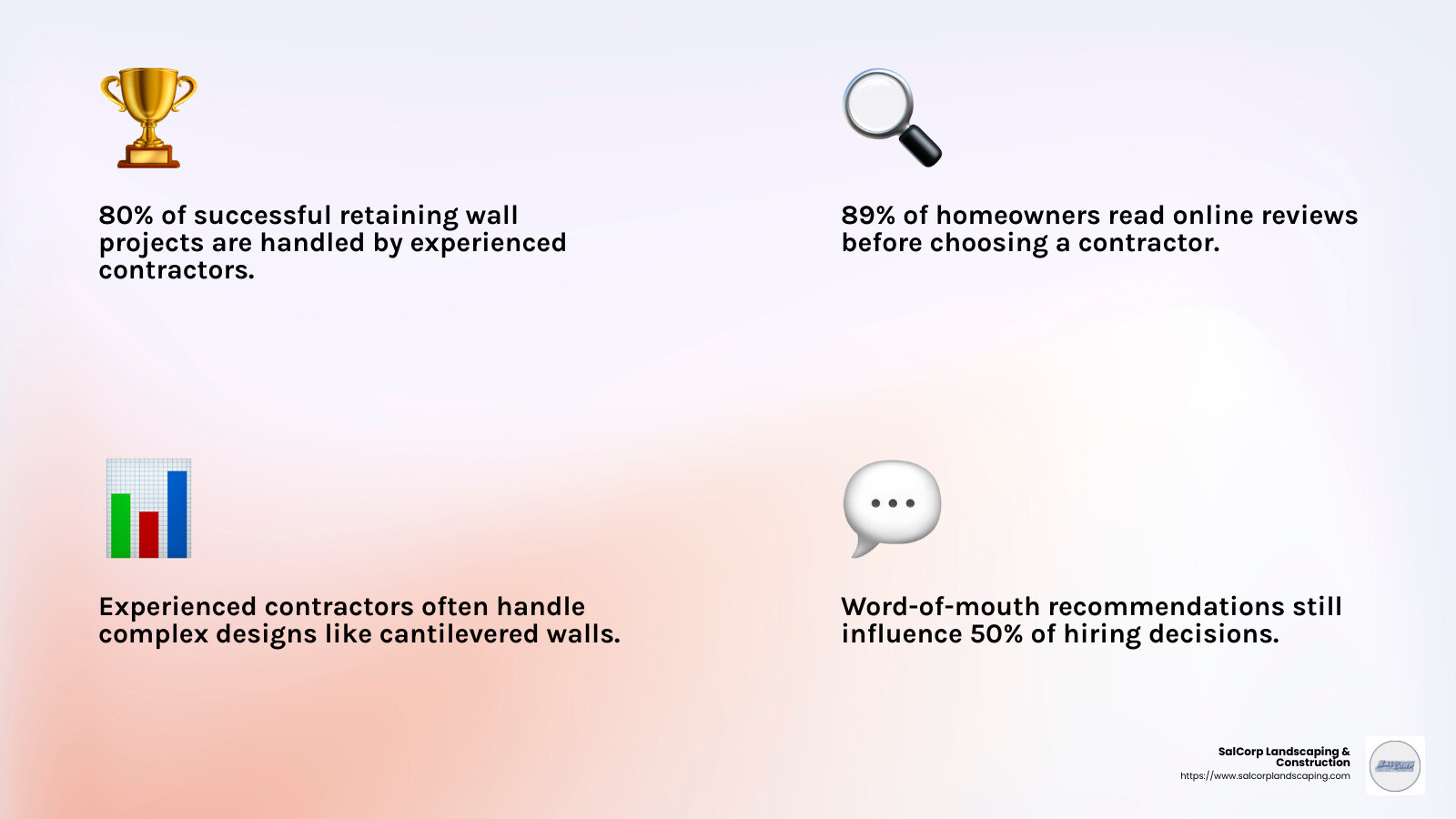
Experience is a major factor. A contractor with years in the business brings valuable knowledge and specialized skills. Look for contractors who have completed similar projects, as this can be a strong indicator of their ability to handle your specific needs. For instance, a contractor experienced in building cantilevered walls will understand the engineering nuances involved.
Reputation and Reviews
Reputation matters. Seek out customer testimonials and online reviews. Positive feedback from past clients can give you confidence in the contractor’s reliability and quality of work. Word-of-mouth recommendations from friends or neighbors can also be invaluable. A good reputation often reflects a commitment to customer satisfaction and project success.
Cost and Budget
Understanding costs is essential. Retaining wall projects can vary greatly in cost due to factors like labor, materials, and project complexity. While it’s tempting to choose the lowest bid, ensure that the estimate covers all aspects of the project. A detailed breakdown of labor and material costs can help you compare quotes effectively. The cheapest option may not always be the best value.
Material and Design Options
Materials and design can significantly impact the durability and aesthetics of your retaining wall. Discuss your aesthetic preferences with potential contractors and consider how different materials will perform over time. For example, concrete blocks offer durability and a variety of design options, while wood provides a natural look but requires more maintenance. Ensure the contractor offers solutions that align with your vision and maintenance needs.
Choosing the right contractor involves balancing these factors to ensure a successful and satisfying project outcome. In the next section, we’ll guide you through the steps to hire the right retaining wall contractor, from research to finalizing the contract.
Steps to Hire the Right Retaining Wall Contractor
Finding the right retaining wall contractor can seem daunting, but following these simple steps can make the process much smoother and more effective.
Research and Shortlist
Start by conducting an online search to identify contractors in your area. Look through local directories and gather recommendations from friends or neighbors who have had similar projects done. Check their websites and online reviews to get a sense of their reputation and expertise. Aim to create a shortlist of at least three contractors who have positive feedback and seem to align with your project needs.
Consultation and Site Visit
Once you have your shortlist, arrange for an initial meeting with each contractor. During this meeting, discuss your project needs and design ideas. A good contractor will offer a site assessment to better understand the specific requirements and constraints of your location. This visit is crucial for them to provide accurate advice and solutions custom to your space. It’s also a great opportunity for you to gauge their professionalism and communication skills.
Getting Quotes and Comparing
After the site visit, request detailed estimates from each contractor. These should include a breakdown of the scope of work, materials, labor costs, and timelines. Compare these estimates carefully, not just for cost but also for what each includes. Ensure that the quotes cover all necessary aspects of the project to avoid surprises later on. The most comprehensive and transparent quote often offers the best value, even if it’s not the lowest price.
Finalizing the Contract
Once you’ve selected a contractor, it’s time to finalize the contract. This document should clearly outline the terms and conditions, including the payment schedule and any warranties offered. A well-drafted contract acts as a safeguard for both parties, ensuring that expectations are clear and agreed upon. Don’t hesitate to ask questions or request changes if something isn’t clear. A reputable contractor will be open to discussing and adjusting terms to ensure mutual understanding.
Following these steps will help you hire the right retaining wall contractor and set the stage for a successful project. Next, we’ll address some frequently asked questions about retaining wall contractors to further assist you in making informed decisions.
Frequently Asked Questions about Retaining Wall Contractors
Why are retaining walls so expensive?
Retaining walls can be pricey due to several factors:
- Labor Costs: Skilled labor is essential for building a retaining wall that will last. The labor involved in digging, setting foundations, and ensuring proper drainage can be intensive and requires expertise.
- Material Costs: The materials used, such as concrete blocks, wood, or natural stone, vary in price. High-quality materials ensure durability but can increase costs.
- Project Complexity: The complexity of the site, including soil conditions and wall height, affects the difficulty and cost of the project. More challenging sites may require specialized designs or additional engineering, adding to the expense.
What is the most cost-effective retaining wall?
When it comes to cost-effectiveness, concrete blocks and wood are often the go-to choices:
- Concrete Blocks: These are popular due to their durability and relatively low cost. They offer a good balance between strength and affordability, making them a common choice for many homeowners.
- Wood: While not as durable as concrete, wood can be a more affordable option for smaller or decorative walls. However, it may require more maintenance over time.
A cost comparison between these materials often shows that while wood might have a lower upfront cost, concrete blocks tend to offer better value over the long term due to their longevity.
How to build a retaining wall on a budget?
Building a retaining wall on a budget is possible with some smart strategies:
- DIY Tips: If you’re handy, consider building the wall yourself. This can save you significant labor costs. However, ensure you have the right skills and tools to avoid costly mistakes.
- Affordable Materials: Opt for cost-effective materials like concrete blocks or treated wood. These materials offer a good balance of cost and durability.
- Cost-Saving Strategies:
- Do Some Prep Work: You can save on labor by handling some of the prep work yourself, like clearing the area and digging the foundation.
- Build a Lower Wall: Reducing the height of the wall can significantly cut down on material and labor costs.
- Choose a Simple Design: Complex designs may look appealing but can be expensive. A straightforward design will be more budget-friendly.
By considering these strategies, you can manage your costs effectively while still achieving a functional and appealing retaining wall.
Conclusion
Choosing the right retaining wall contractor is crucial for ensuring your project is completed on time, within budget, and to your satisfaction. Throughout this guide, we’ve explored the essential factors to consider, from the contractor’s experience and reputation to material and design options.
Final Tips:
- Research Thoroughly: Start by researching potential contractors online and through local directories. Look for those with positive reviews and a proven track record.
- Consult and Compare: Meet with several contractors to discuss your vision and get a feel for their approach. Compare detailed quotes to understand what each offers.
- Review Contracts Carefully: Ensure all terms, conditions, and warranties are clearly outlined in the contract before signing.
At SalCorp Landscaping & Construction, we pride ourselves on delivering high-quality retaining wall solutions custom to your specific needs. With over 20 years of experience, our owner-operated business offers comprehensive outdoor space solutions across various Massachusetts communities. We invite you to contact us for a consultation and see why we are the trusted experts in landscape design and hardscaping.
By following these steps and considering the insights provided, you can confidently choose the best contractor for your retaining wall project. This ensures not only a successful build but also a beautiful and functional addition to your outdoor space.
