

When to Fertilize Hydroseeded Lawn: Top 5 Powerful Tips

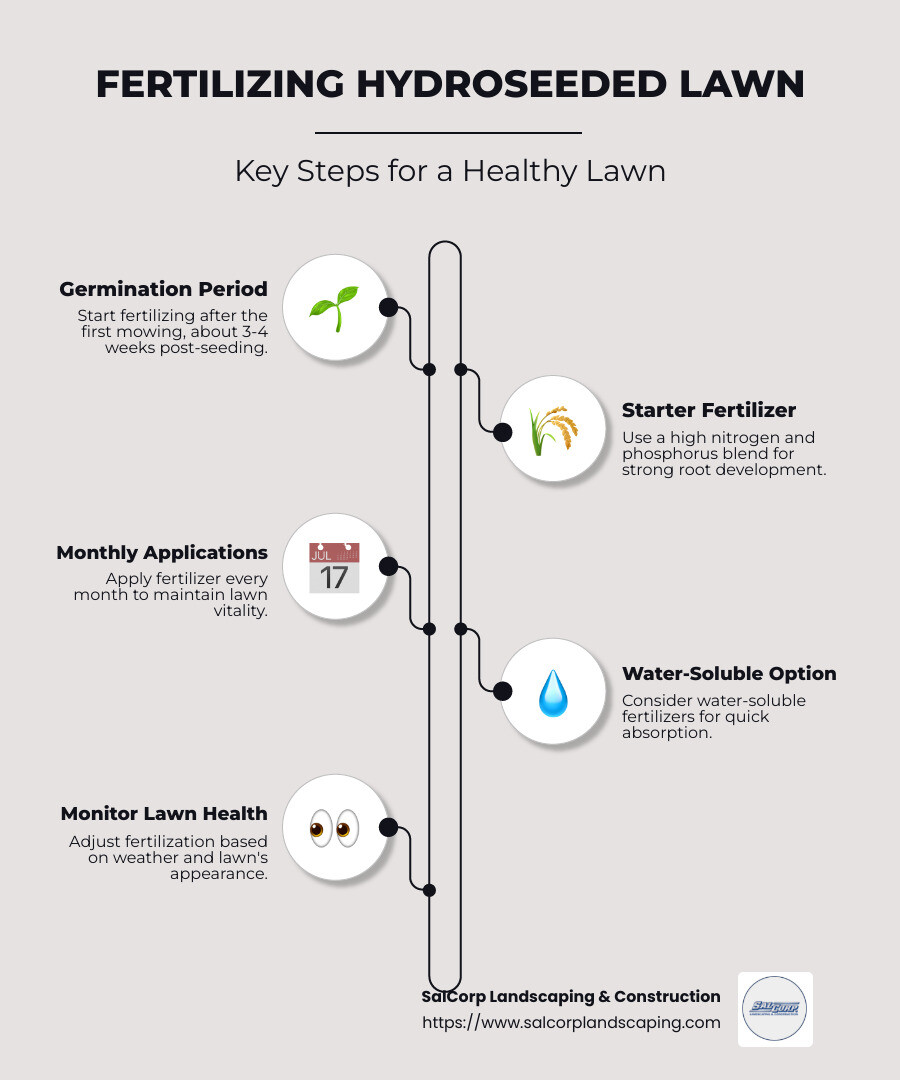
When to fertilize hydroseeded lawn is crucial for nurturing a lush, green landscape. For the best results, fertilize initially with a starter fertilizer high in nitrogen and phosphorus right after the first mowing, which generally happens three to four weeks post-seeding. Follow this with monthly applications to keep your lawn healthy, vibrant, and strong.
Hydroseeding is a popular choice for establishing a new lawn quickly and efficiently. The technique involves spraying a slurry of seed, mulch, and nutrients over the soil, enhancing germination and providing immediate erosion control. However, a critical step often overlooked is timely fertilization, which plays a vital role in establishing a resilient root system and maintaining the lawn’s long-term health. We will explore the best practices for fertilizing a hydroseeded lawn to maximize growth and sustainability.
My name is Sal Musto, founder of SalCorp Landscaping & Construction. With over two decades of experience in enhancing outdoor spaces across Massachusetts, I’ve seen how crucial it is to understand when to fertilize hydroseeded lawn for achieving a thriving yard. Let’s explore this essential aspect of lawn care.
Related content about when to fertilize hydroseeded lawn:
– how to care for hydroseeded lawn
– how often to water hydroseeded lawn
– mowing hydroseeded lawn
When to Fertilize Hydroseeded Lawn: Initial Application
The initial fertilization of your hydroseeded lawn is a critical step in ensuring robust growth and a lush, green landscape. When to fertilize hydroseeded lawn is a common question, and the answer lies in understanding the germination period and the role of starter fertilizers.
Germination Period
During the germination period, which typically lasts between 7 to 10 days, your lawn’s primary focus is on seed sprouting and root establishment. Keeping the soil consistently moist is crucial during this time. This is where the right type of fertilizer can make a significant difference.
Starter Fertilizer
A starter fertilizer is designed to support new grass as it takes root. Look for a fertilizer where the second number (phosphorus) is higher than the first (nitrogen), such as a 18-24-12 blend. Phosphorus is essential for root development, which is critical in the early stages of lawn growth.
The 18-24-12 fertilizer blend ensures:
- 18% Nitrogen: Promotes lush, green growth.
- 24% Phosphorus: Encourages strong root development.
- 12% Potassium: Supports overall plant health.
Timing the Initial Application
Apply the starter fertilizer right after the first mowing, usually three to four weeks after hydroseeding. This timing helps the young grass absorb nutrients effectively, promoting a thicker and healthier lawn.
Pro Tip: If your soil is sandy or has low organic content, you might need to apply fertilizers more frequently, as nutrients can leach away quickly.
Proper fertilization during this initial stage sets the foundation for a strong, resilient lawn. As your grass grows, it will require less frequent fertilization, but starting strong is key to long-term success. In the next section, we’ll explore optimal fertilizing techniques to maintain your lawn’s health throughout its lifecycle.
Optimal Fertilizing Techniques for Hydroseeded Grass
Once your hydroseeded lawn is established, the next step is to maintain its health and vibrancy. Understanding the difference between water-soluble and granular fertilizers, as well as the benefits of slow-release formulas, is crucial for ongoing care.
Water-Soluble vs. Granular Fertilizers
Water-Soluble Fertilizers are mixed with water and applied with a sprayer. They provide nutrients quickly, making them ideal for a rapid boost. However, they can also leach away quickly, especially in sandy soils or after heavy rains.
Granular Fertilizers come in a dry, pellet form. They are spread over the lawn and dissolve slowly as they are watered in. This slow release means fewer applications are needed, as nutrients are available over a longer period.
Choosing Between the Two:
– Use water-soluble fertilizers for quick fixes or when you notice signs of nutrient deficiency.
– Opt for granular fertilizers for routine maintenance and long-term feeding.
Slow-Release Formulas
Slow-release fertilizers are a popular choice for hydroseeded lawns. They release nutrients gradually, reducing the risk of burning the grass and ensuring consistent growth.
- Benefits include:
- Less frequent applications, saving time and effort.
- Reduced risk of nutrient leaching, which protects the environment.
- Steady growth, minimizing stress on the grass.
Application Methods
The method of application can impact the effectiveness of your fertilization efforts. Here are some common techniques:
- Broadcast Spreader: Ideal for large areas, this tool ensures even distribution of granular fertilizers.
- Sprayer: Used for water-soluble fertilizers, it allows for targeted application, especially useful for spot treatments.
- Hand Application: For small areas or touch-ups, you can apply granular fertilizers by hand. Just ensure even coverage to avoid patchy growth.
Pro Tip: Always follow the manufacturer’s instructions for application rates and methods. Over-application can harm your lawn and the environment.
By selecting the right type of fertilizer and application method, you can maintain a lush, healthy hydroseeded lawn. In the next section, we’ll discuss how to care for your lawn through the changing seasons.
Maintaining Your Hydroseeded Lawn Through Seasons
Caring for your hydroseeded lawn requires attention to the changing seasons. Each season brings unique challenges and needs for your grass. Let’s break it down.
Spring Care
Spring is a time of renewal. For your lawn, it’s about waking up from winter dormancy. Start by raking away any debris or dead grass. This helps improve water and nutrient absorption.
Fertilizing in Spring:
– Use a balanced fertilizer to support new growth. A starter fertilizer with a higher phosphorus content (like 18-24-12) can encourage strong root development.
– Consider overseeding if there are sparse areas. This can help achieve a fuller lawn.
Watering Tips:
– Keep the soil moist but not waterlogged. Adjust your irrigation system to match the spring weather patterns.
Summer Stress
Summer can be tough on your lawn. High temperatures and dry spells can stress your grass.
Managing Summer Stress:
– Water deeply but less frequently. This encourages roots to grow deeper, making the lawn more drought-resistant.
– Fertilize sparingly. Too much nitrogen can burn your grass in the heat. Opt for slow-release fertilizers to avoid over-fertilizing.
Pro Tip: Mow your lawn higher in summer. Taller grass shades the soil, reducing evaporation and keeping roots cooler.
Fall Preparation
Fall is about preparing your lawn for the coming winter. It’s a crucial time for fertilizing.
Fall Fertilizing:
– Apply a fertilizer with a higher potassium content. Potassium helps strengthen the grass for winter.
– Aerate your lawn to improve soil compaction and allow nutrients to reach the roots.
Additional Tips:
– Continue watering until the ground freezes.
– Rake leaves regularly to prevent them from smothering the grass.
Winter Dormancy
In winter, your lawn takes a break. Growth slows down, and the grass goes dormant.
Winter Care:
– Avoid heavy foot traffic on frozen grass to prevent damage.
– Do not fertilize during winter. The lawn doesn’t need nutrients when it’s not actively growing.
Preparation for Spring:
– If you haven’t already, apply a fall fertilizer with a 1:2 nitrogen to phosphorus ratio. This helps the roots store energy for spring growth.
By understanding the seasonal needs of your hydroseeded lawn, you can ensure it stays healthy and vibrant all year round. Next, we’ll explore when to fertilize your hydroseeded lawn for ongoing care.
When to Fertilize Hydroseeded Lawn: Ongoing Care
Keeping your hydroseeded lawn lush and green involves more than just seasonal care. Knowing when to fertilize is crucial for maintaining its health throughout the year. Let’s explore the ongoing care essentials.
Monthly Schedule
Establishing a monthly fertilizing schedule is key to sustaining your lawn’s vigor. Here’s a simple guideline:
- April to June: Apply a nitrogen-rich fertilizer every 4-6 weeks. This supports the rapid growth phase as your lawn comes out of dormancy.
- July to August: Reduce fertilization frequency. Use a slow-release formula to prevent burning the grass in high temperatures.
- September to October: Switch to a fertilizer with higher potassium content. This helps the lawn prepare for winter.
- November to March: No fertilization is needed. The lawn is mostly dormant.
Adjusting for Weather
Weather conditions can significantly affect your fertilizing schedule. Here’s how to adapt:
- Rainy Periods: If heavy rain is forecasted, delay fertilization. Excess water can wash away nutrients before they absorb into the soil.
- Drought Conditions: During dry spells, water your lawn thoroughly before applying any fertilizer. This prevents root burn and helps nutrients penetrate the soil.
- Cold Snaps: Avoid fertilizing right before a freeze. The grass won’t absorb nutrients effectively when it’s too cold.
Signs Your Lawn Needs Fertilizing
Even with a schedule, your lawn might show signs it needs a nutrient boost. Keep an eye out for these indicators:
- Yellowing Grass: This often signals a nitrogen deficiency. Apply a balanced fertilizer to restore color.
- Slow Growth: If your grass isn’t growing as expected, it might need more nutrients. Check for compaction or other soil issues too.
- Thinning Turf: Sparse patches can indicate a lack of phosphorus. A starter fertilizer can help fill these gaps.
By following this ongoing care guide, you can keep your hydroseeded lawn healthy and vibrant throughout the year. Up next, we’ll discuss common mistakes to avoid when fertilizing your lawn.
Common Mistakes in Fertilizing Hydroseeded Lawns
Fertilizing a hydroseeded lawn can feel like walking a tightrope. It’s all about balance. Here are some common pitfalls to avoid:
Over-Fertilizing
It’s easy to think more fertilizer means a healthier lawn. But too much can harm your grass.
- Why It Happens: Homeowners often think a little extra will boost growth. Unfortunately, it can lead to fertilizer burn, turning your grass brown and patchy.
- How to Avoid It: Stick to the recommended amounts on the fertilizer package. If you’re unsure, less is often more. Regular but moderate applications are better than heavy doses.
Wrong Type of Fertilizer
Not all fertilizers are created equal. Choosing the wrong type can stunt your lawn’s growth.
- Common Mistake: Using a fertilizer designed for mature lawns on a newly hydroseeded area. New lawns need a starter fertilizer with high nitrogen and phosphorus.
- Solution: Use a starter fertilizer like an 18-24-12 blend. This helps establish strong roots and lush growth. Always read the label to ensure it’s suitable for your grass type and growth stage.
Ignoring Weather Conditions
Weather plays a crucial role in how effective your fertilizing efforts will be.
- Issue: Fertilizing before a heavy rain or during a drought can wash away nutrients or stress the grass.
- Tip: Check the weather forecast before applying fertilizer. Avoid fertilizing before storms or during dry spells without adequate watering.
In summary, avoid these common mistakes to help your hydroseeded lawn thrive. Next, we’ll wrap up with the long-term benefits of proper fertilization and how SalCorp Landscaping & Construction can support sustainable lawn care.
Conclusion
Fertilizing your hydroseeded lawn correctly offers long-term benefits that go beyond just a lush, green appearance. A well-fertilized lawn develops a resilient root system, which helps it withstand seasonal changes and environmental stressors like drought or pests. This strong foundation means less maintenance in the long run, saving you both time and effort.
SalCorp Landscaping & Construction is here to guide you through this journey. With our expertise, we ensure your lawn gets the best care possible. Our team understands the unique needs of hydroseeded lawns and provides custom solutions to help your grass thrive year-round.
We emphasize sustainable practices in all our services. This includes choosing fertilizers that are not only effective but also environmentally friendly. By opting for organic or slow-release formulas, we reduce the risk of runoff and minimize the impact on local ecosystems.
Our commitment to sustainability extends to using resource-efficient methods and materials, ensuring that your lawn care is both effective and eco-conscious. Whether you’re in Avon, Boston, or any of our other locations, SalCorp Landscaping & Construction is dedicated to helping you achieve a beautiful, sustainable lawn.
By focusing on proper fertilization techniques and sustainable practices, your hydroseeded lawn will not only look great but also contribute positively to the environment. Let us help you make the most of your outdoor space with our expert guidance and support.
Frequently Asked Questions about Fertilizing Hydroseeded Lawns
What is the best type of fertilizer for a new hydroseeded lawn?
For newly hydroseeded lawns, starter fertilizers are your best bet. These fertilizers are rich in nitrogen and often contain phosphorus, both essential for healthy grass growth. The nitrogen promotes lush, green blades, while phosphorus helps develop strong roots. An 18-24-12 fertilizer is a common choice, providing a balanced nutrient mix that supports early-stage growth.
How often should I fertilize my hydroseeded lawn in the first year?
In the first year, a monthly fertilizing schedule is generally recommended for optimal growth. After the initial application of starter fertilizer, continue with regular applications to maintain nutrient levels. Adjust the frequency based on weather conditions and the specific needs of your grass type. Always follow the manufacturer’s instructions to avoid over-fertilization, which can harm your lawn.
Can I use weed control products on my newly hydroseeded lawn?
It’s best to hold off on weed control products until your grass has been mowed at least 3 to 4 times. This allows the grass to establish itself and become resilient enough to handle herbicides. Introducing weed control too early can interfere with grass growth and cause more harm than good. Once your lawn is ready, choose products that support grass health while targeting weeds.
For more detailed guidance on caring for your hydroseeded lawn, visit our Hydroseeding Lawns page. SalCorp Landscaping & Construction is here to help you achieve a thriving, beautiful lawn with expert advice and sustainable solutions.
