

Brick & Masonry Restoration vs. Complete Replacement
Crumbling mortar, spalling bricks, and shifting steps don't fix themselves — they compound every winter. The question is whether your masonry needs targeted restoration or full structural replacement. Here's how to tell the difference.
Get a Free Masonry AssessmentThe Decision Every Massachusetts Homeowner Faces Eventually
Brick and stone masonry is built to last generations — but in Massachusetts, where freeze-thaw cycles, ice melt chemicals, and heavy moisture exposure attack exterior masonry from October through April, even well-built steps, walls, and entryways eventually show their age. The critical question isn't whether to act — it's whether the damage calls for restoration (repointing mortar, replacing individual bricks, sealing the surface) or complete replacement (demolishing the existing structure and rebuilding from the foundation up). Getting that call right saves thousands of dollars and years of frustration. Getting it wrong means paying for a repair that fails again within a season or two.
How Massachusetts Masonry Deteriorates
Masonry damage in New England follows a predictable pattern. Understanding where your steps or walls fall on this progression determines whether restoration is viable or replacement is necessary.

Mortar Cracks & Surface Wear
Hairline cracks in mortar joints, minor surface spalling on individual bricks, discoloration from moisture and efflorescence (white mineral deposits). The structural core is still solid. Water is beginning to enter through surface openings but hasn't reached the foundation. This is the ideal stage for restoration — repointing the mortar, replacing a few spalled bricks, and sealing the surface stops the deterioration cycle before it becomes structural.
cycles →
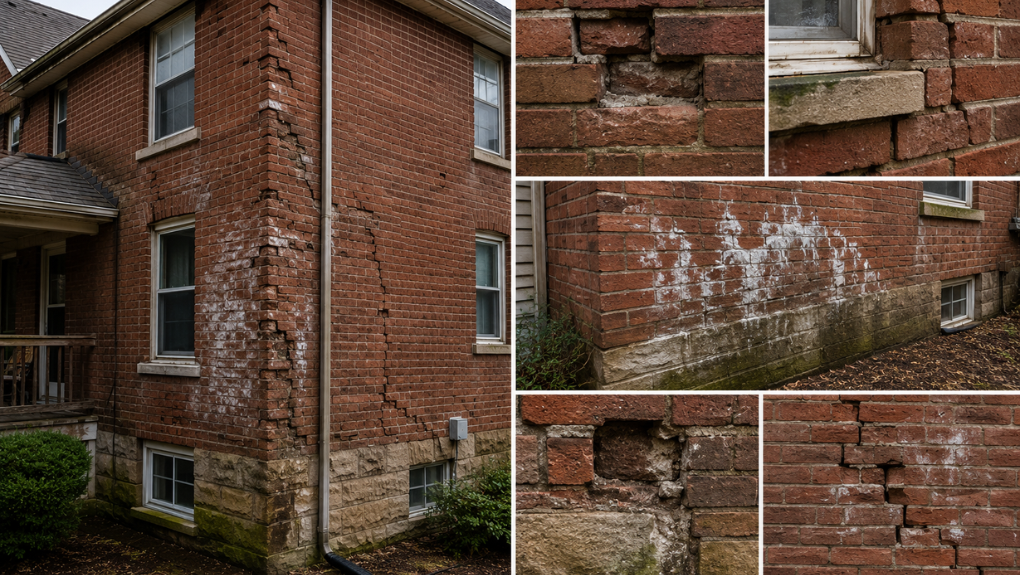
Structural Failure & Widespread Crumbling
Multiple bricks crumbling or missing entirely, mortar failing across all joints simultaneously, visible leaning or separation from the house, and cracks running through the concrete foundation beneath. Water has penetrated deep into the structural core and freeze-thaw cycles have compromised the integrity of the base. At this stage, surface repairs are cosmetic — the underlying structure is failing and will take any new repair work with it. Full demolition and structural rebuilding is the only path to a lasting solution.
Two Paths Forward
Once you've identified where the damage falls on the progression, the path forward becomes clear. Each approach solves different problems — and choosing the wrong one wastes time and money.
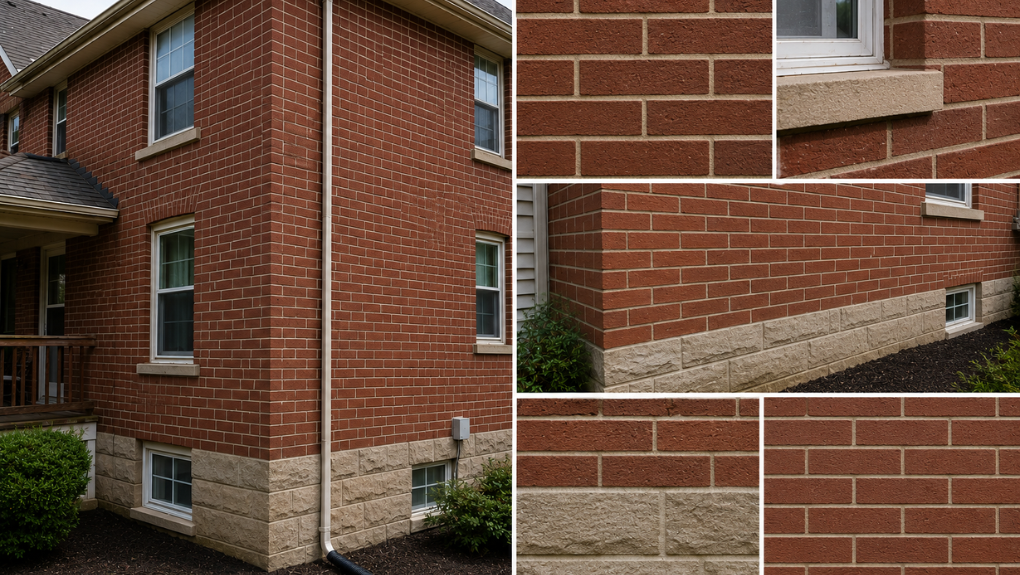
Targeted Masonry Restoration
Restoration preserves the existing structure by addressing the specific points of failure — deteriorated mortar, individual damaged bricks, and unprotected surfaces — without demolishing anything that's still structurally sound.
What's involved: grinding out failed mortar to a minimum depth of 3/4 inch and repointing with fresh Type N mortar color-matched to the original; chiseling out and replacing individual spalled or crumbling bricks; cleaning efflorescence and biological growth; and applying a breathable silane-siloxane masonry sealer to prevent future water intrusion while allowing trapped moisture to escape.
Restoration is the right call when:
- Damage is limited to mortar joints and individual bricks — not the foundation
- The steps or wall are structurally plumb and level — no leaning or settling
- Less than 30% of the bricks show spalling or deterioration
- Previous repairs haven't been done repeatedly on the same areas
- The concrete base beneath the masonry is intact and stable
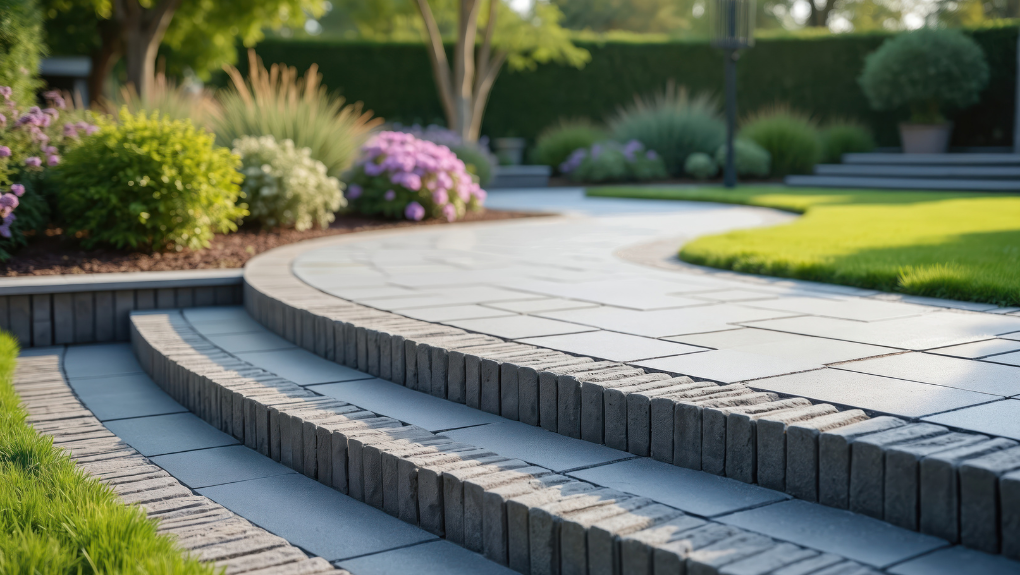
Complete Demolition & Rebuild
When the structural core has failed — the concrete foundation is cracked, the steps are settling or leaning, or damage is so widespread that restoration would mean replacing most of the masonry anyway — full replacement is the more honest and more cost-effective long-term decision.
What's involved: demolishing the existing masonry and concrete base using appropriate equipment (jackhammers, excavator-mounted breakers for larger structures); excavating and preparing a new compacted gravel base; pouring a reinforced concrete footing sized for the new structure; and constructing new steps, walls, or entryway using fresh masonry on a stable, properly drained foundation.
Replacement is the right call when:
- The concrete foundation is cracked, settled, or visibly shifting
- Steps are leaning away from the house or pulling apart at joints
- More than 30–40% of the masonry shows spalling or structural crumbling
- Mortar is failing systemically across all joints — not just isolated spots
- Previous repairs have failed repeatedly in the same areas
Twenty Years of Masonry Work in Massachusetts
20+
Years restoring &
rebuilding masonry
Both
Restoration & full
replacement in-house
Licensed
Fully insured &
workmanship guaranteed
Local
Norfolk County based
since 2004
Brick & Masonry FAQs
Is it cheaper to repair or replace brick steps?
Repairing is significantly less expensive when the damage is cosmetic — minor mortar deterioration and a few spalled bricks can be restored at a fraction of the cost of full replacement. However, when the damage is structural — the foundation has settled, multiple courses are shifting, or the underlying concrete base is cracked — repair becomes a temporary fix on a failing structure, and full replacement is the more cost-effective long-term decision. The key is an honest assessment of what's actually failing: surface-level mortar and individual bricks, or the structural core underneath.
Can you put new mortar over old crumbling mortar?
No — applying new mortar directly over deteriorated mortar will not create a lasting repair. The new material has nothing solid to bond to, so it cracks and falls out within one or two freeze-thaw cycles. Proper repointing requires grinding or chiseling out the old mortar to a depth of at least 3/4 inch, cleaning dust and debris from the joint, and then packing fresh mortar into the clean, stable opening. This gives the new mortar enough depth and contact surface to bond properly and resist the expansion forces that Massachusetts winters impose on every exterior masonry joint.
What causes brick steps to crumble in Massachusetts?
The primary cause is the freeze-thaw cycle acting on moisture-saturated masonry. Water enters through cracked mortar joints, hairline fractures in the brick, or gaps between the steps and the foundation. When that water freezes — which happens dozens of times per Massachusetts winter — it expands roughly 9%, pushing the brick face outward (spalling) and cracking mortar joints wider. Each cycle lets more water in, which causes more damage on the next freeze. Ice melt chemicals accelerate the process by forcing additional freeze-thaw cycles and introducing salt crystallization into the pores of the brick. The damage compounds: what starts as a hairline crack becomes a crumbling step within a few seasons if the water entry point isn't addressed.
How do you fix spalling bricks on steps?
Spalled bricks — where the face of the brick has popped off or is flaking away — must be individually replaced, not patched over. The damaged brick is carefully chiseled out without disturbing the surrounding masonry, the cavity is cleaned, and a replacement brick is set with fresh mortar color-matched to the existing joints. If only a few bricks are spalling, individual replacement is straightforward and cost-effective. If spalling is widespread across multiple steps or courses, it usually indicates a deeper moisture problem that replacement bricks alone won't solve — the water entry path needs to be addressed or the new bricks will spall too.
Can you build wood steps over existing brick?
Yes — if the existing brick foundation and concrete base are structurally solid (not sinking, not cracking, not shifting), you can skip full demolition and anchor a pressure-treated wood frame directly over the existing brick structure. A ledger board is fastened to the house foundation using masonry anchors, stair stringers are cut and installed on the existing base, and wooden or composite treads are laid across them. This approach eliminates demolition costs and provides a modern, slip-resistant surface that's easy to maintain and repair. However, if the underlying structure is failing, building over it simply hides the problem — in that case, full demolition and replacement is the right call.
What type of mortar should be used for brick step repair?
Type N mortar is the standard choice for most brick step repairs and repointing in Massachusetts. It offers a balanced combination of compressive strength and flexibility — and that flexibility matters, because exterior masonry expands and contracts constantly with temperature changes. Type S mortar, which is stronger but more rigid, is used for structural applications and below-grade work. Using mortar that's too hard (like Type M or Portland-heavy mixes) on older, softer bricks can actually cause damage: the hard mortar doesn't flex with the brick, forcing stress into the brick itself and accelerating spalling. A qualified mason matches both the mortar type and the color to the existing work.
How long do brick steps last in Massachusetts?
Well-built brick steps with proper drainage, a solid concrete foundation, and quality mortar can last 50 to 100 years or more in Massachusetts — many historic homes in Brookline, Newton, and Wellesley have original brick entryways that are still functional after a century. The steps that fail prematurely — within 10 to 20 years — almost always have a construction defect: no drainage behind the steps allowing water to pool against the foundation, a mortar mix that's too rigid for the climate, inadequate base preparation that leads to settling, or deferred maintenance that lets small cracks compound into structural problems over multiple winters.
Should I seal my brick steps after repair?
Yes, but only after the new mortar has fully cured — typically 3 to 4 weeks. Apply a breathable silane-siloxane masonry sealer (often called a masonry creme), not a film-forming sealer. Breathable sealers repel liquid water from the surface while still allowing water vapor to escape from inside the brick — this is critical because trapping moisture inside the brick causes the same freeze-thaw spalling you're trying to prevent. Film-forming sealers (the glossy, visible coatings) trap moisture and typically cause more damage than they prevent on exterior masonry in New England climates.
When should I replace brick steps instead of repairing them?
Full replacement is the right call when the damage goes beyond the surface bricks and mortar into the structural core: the concrete foundation beneath the bricks is cracked or settled, the steps are visibly leaning or pulling away from the house, more than 30–40% of the bricks show spalling or crumbling, the mortar is failing systemically across all joints (not just isolated areas), or previous repairs have been done repeatedly and continue to fail. When the foundation is compromised, repairing the surface masonry is cosmetic — the structural problem underneath will continue to deteriorate and take the new repair work with it.
Not Sure If Your Masonry Needs Restoration or Replacement?
Schedule a free on-site assessment with SalCorp. We'll evaluate the structural condition, identify the water source causing the damage, and give you an honest recommendation — restore or replace — based on what the masonry actually needs.
Schedule Your Assessment